Wasabi Extract
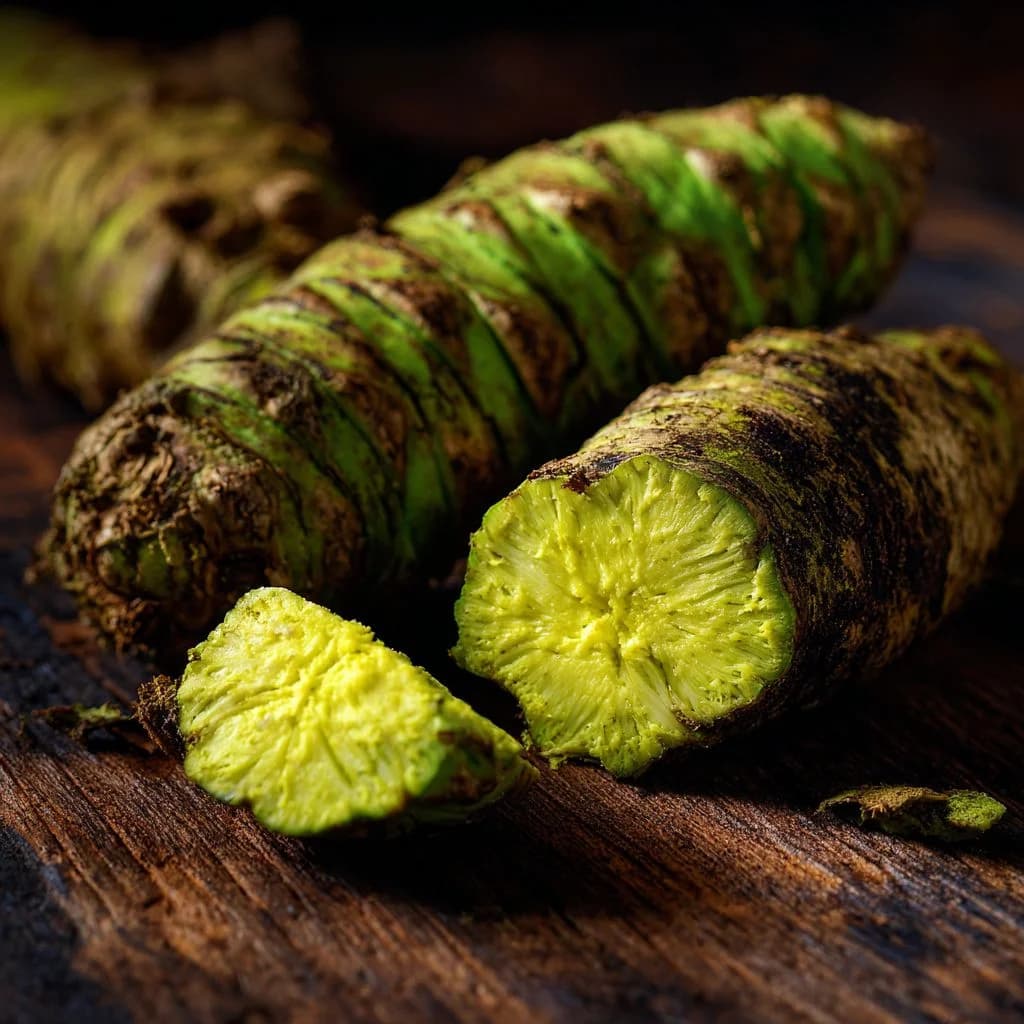
Wasabi Extract at a glance
- Botanical Name
- Eutrema japonicum
- Family
- Brassicaceae
- Origin
- Mountain stream valleys of Japan
- Part Used
- Rhizome
- Note Position
- Top, volatile
Aroma Profile
Sharp, volatile, and intensely sinus-opening. Wasabi delivers one of the most immediate and striking aromatic experiences of any ingredient: a penetrating, nasal rush that clears everything in its path.
- Piercing
- Volatile
- Green
- Pungent
- Clean
- Sharp
Historical Uses
True wasabi (Wasabia japonica) is native to Japan, where it has been cultivated since at least the 10th century. It was historically used as a condiment with raw fish, partly for its flavor and partly because its sharp aromatic compounds were believed to have food-safety properties. Wasabi cultivation was centered in mountain stream regions of Japan, particularly in Shizuoka prefecture, and true wasabi was a luxury ingredient reserved for special occasions and high-end dining. The characteristic nose-clearing sensation of wasabi is chemically distinct from chili heat: it is volatile and airborne, which is why it affects the sinuses rather than just the tongue.
Folklore & Trade
Most wasabi is not wasabi. The green paste served with sushi almost anywhere outside Japan is dyed horseradish and mustard, because the real plant is close to impossible to farm at scale: it wants cold running mountain water, grows on hand built stone and gravel terraces that filter the stream as it passes through, and takes around two years to reach a usable size. The terraces in Shizuoka are worked much as they were centuries ago and were recognised in 2018 as a Globally Important Agricultural Heritage System. The plant also refuses to keep. Its heat does not exist in the intact root at all: it is created the moment the cells are torn open by grating, and it begins to fade within minutes, which is why it is served at the counter and never from a jar.
Modern Uses
True wasabi remains a prized and expensive ingredient in Japanese cuisine. Wasabi extract is used in specialty food products and, increasingly, in experimental aromatics where its sinus-opening intensity is valued as an extreme version of the clear head effect sought from inhalers.
From the Apothecary
Wasabi is the most extreme thing in the apothecary and we treat it accordingly. It goes in the Crown Blend, which is a concentrated oil rather than a daily carry, and it goes in small. Used with any generosity it stops being an aromatic and becomes an event. Used correctly it does something no other ingredient here can, which is to arrive high in the nose rather than in the front of it.
Pairs With
Smell It For Yourself
Wasabi Extract is in the Smiling Tiger blends below, hand-assembled in the USA and shipped from here.
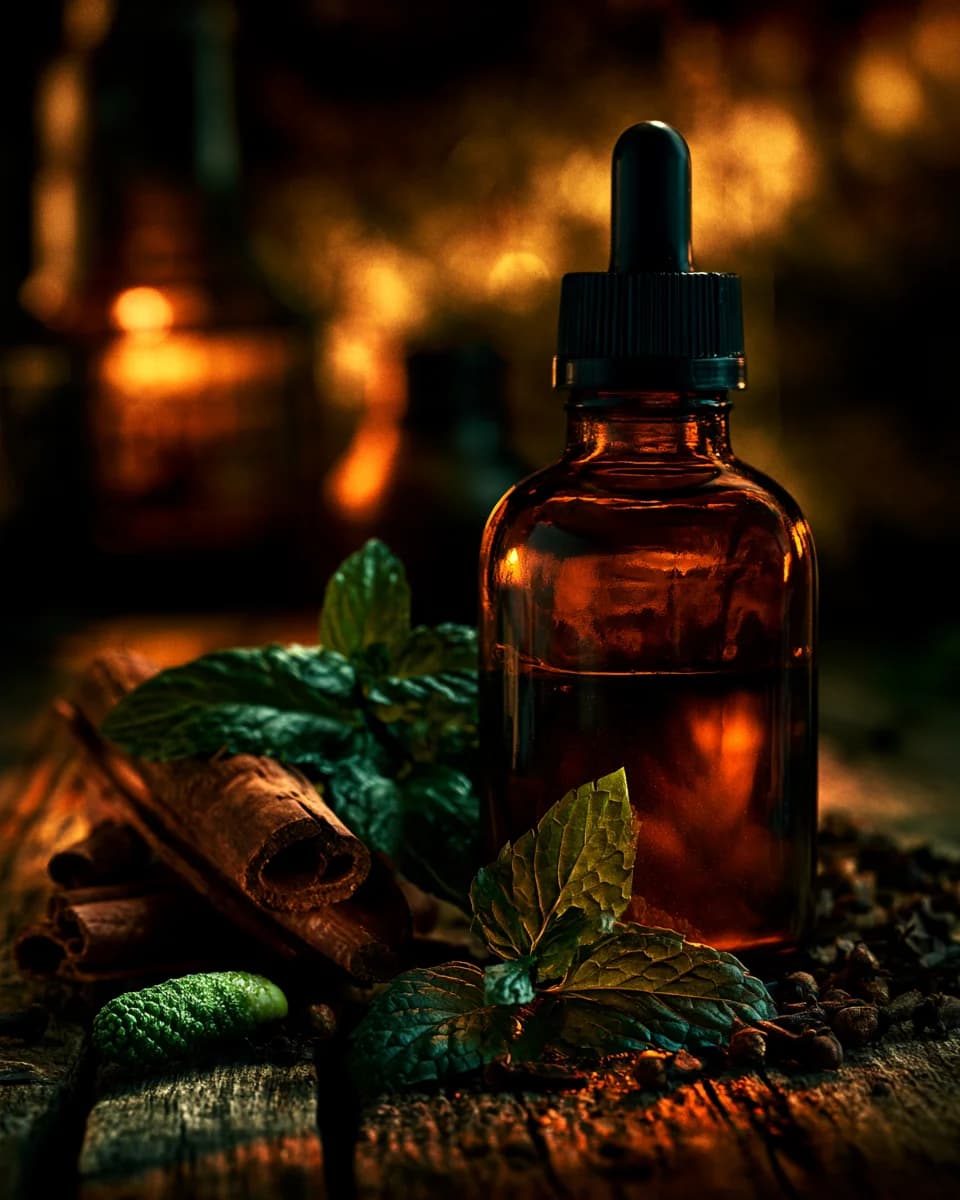 Crown BlendThe concentrated ritual. Stronger. Deeper.$30
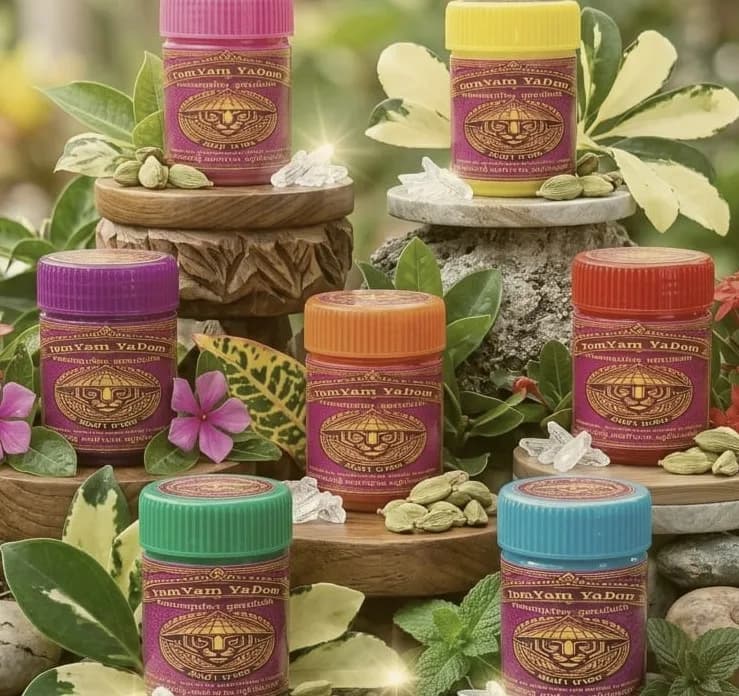 Complete Ritual SetYour complete Thai apothecary. All 7 signature scents plus Crown Blend Oil.$115
Want it on its own terms? Put Wasabi Extract in a blend you build yourself.
Common Questions
What does wasabi smell like?
Wasabi smells sharp, green, and intensely volatile, and it registers higher in the nose than almost any other aromatic. The sensation is airborne rather than tasted, which is why it clears the sinuses in a way chilli heat never does. It fades fast, arriving as a rush and then releasing.
Is wasabi heat the same as chilli heat?
No, and the difference is physical. Chilli heat comes from capsaicin, which is oil soluble and stays on the tongue, while wasabi heat comes from volatile compounds that lift into the air and reach the sinuses. That is why wasabi passes quickly and chilli does not, and why wasabi belongs in an inhaler while chilli would be pointless in one.
Which blend uses wasabi extract?
Wasabi extract appears only in the Crown Blend, our concentrated oil, and in very small proportion. It is not in any of the seven inhaler scents. You can add it to a custom blend in the builder if you want that edge in something you carry.
The historical and traditional information presented on this page is for educational and cultural interest only. Tom Yam Yadom products are not intended to diagnose, treat, cure, or prevent any disease or medical condition. Ingredient histories reflect traditional and cultural uses across various societies and are not claims about the properties of our products.