White Peppercorn
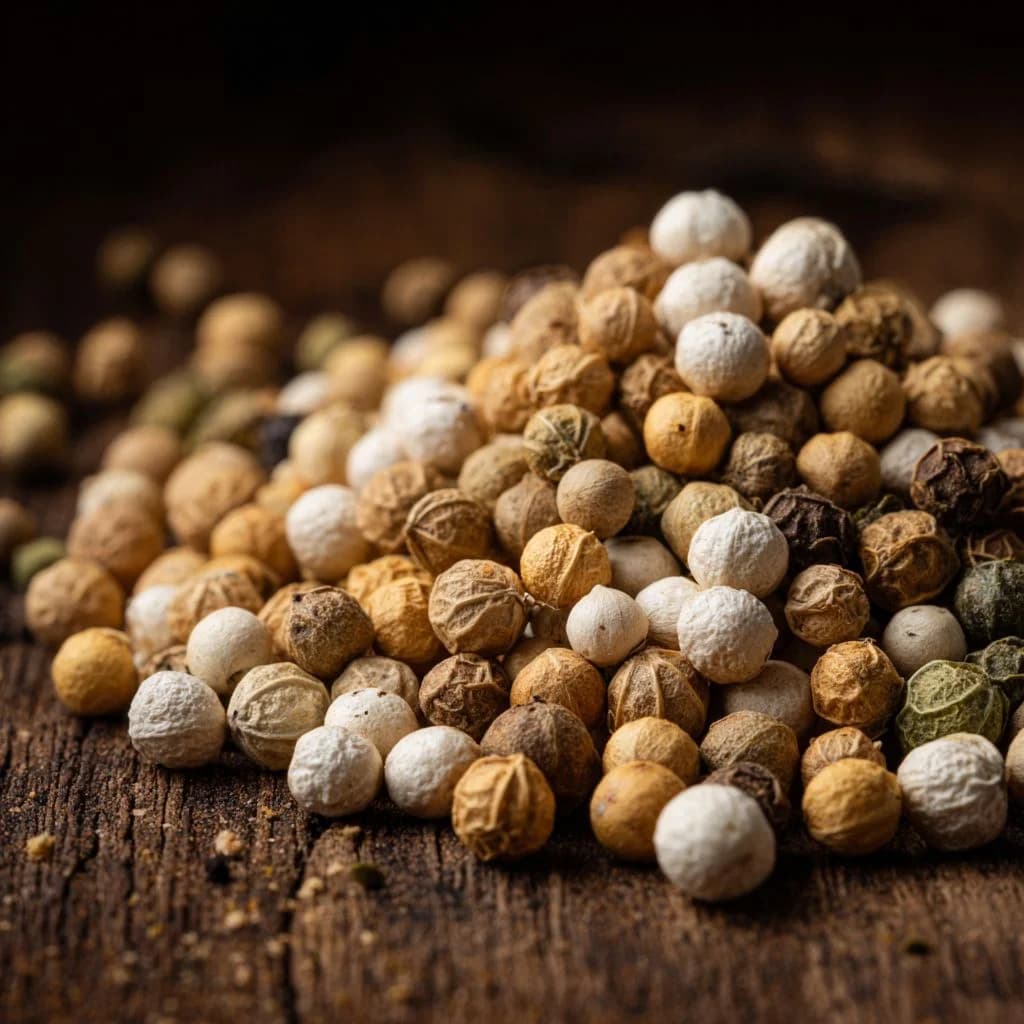
White Peppercorn at a glance
- Botanical Name
- Piper nigrum
- Family
- Piperaceae
- Thai Name
- พริกไทยขาว (phrik thai khao)
- Origin
- Southern India, now grown across Southeast Asia
- Part Used
- Ripe berry with the outer skin removed
- Note Position
- Heart, dry
Aroma Profile
Sharp, dry, and subtly earthy. White peppercorn is cleaner and more austere than black pepper, with a dry, almost mineral quality and less of the fruity complexity of its unprocessed counterpart.
- Dry
- Sharp
- Earthy
- Mineral
- Austere
- Clean
Historical Uses
White pepper is black pepper (Piper nigrum) with the outer skin removed, a process that changes its aromatic character significantly. Black pepper has been traded from South India since at least 3,000 years ago and was one of the most valuable commodities in the ancient and medieval spice trade. White pepper became particularly valued in European and Chinese cooking for its cleaner, sharper heat and for its visual neutrality in pale dishes. In Southeast Asian cuisine, white pepper is foundational: it is the pepper of choice in Thai, Vietnamese, and Chinese-influenced cooking across the region.
Folklore & Trade
White pepper is black pepper that has been left to rot on purpose. The ripe berries are soaked in slow water for a week or more until the outer fruit breaks down and can be rubbed away, leaving the pale inner seed, and in Sarawak and parts of Thailand this retting is still done in flowing streams. The process is what gives white pepper its particular character, drier and more austere than black, with a faintly fermented note underneath that people either love or cannot forgive. Pepper of both kinds was valuable enough to function as money for most of recorded history: when Alaric besieged Rome in 408 he set his price partly in pepper, three thousand pounds of it, alongside the gold and silver.
Modern Uses
White pepper is a staple of professional kitchens globally, especially in French, Chinese, and Southeast Asian cooking. In natural perfumery and aromatics, white peppercorn adds a dry, clean spice note with an earthy depth that anchors brighter ingredients.
From the Apothecary
White pepper is the quietest way to put spice into a blend. Black pepper announces itself and brings fruit and heat with it, while white pepper simply adds a dry mineral floor that makes everything above it read as more defined. Serenity is a soft blend, mostly florals and anise, and without this it would drift. This is the note that gives it edges.
Pairs With
Smell It For Yourself
White Peppercorn is in the Smiling Tiger blends below, hand-assembled in the USA and shipped from here.
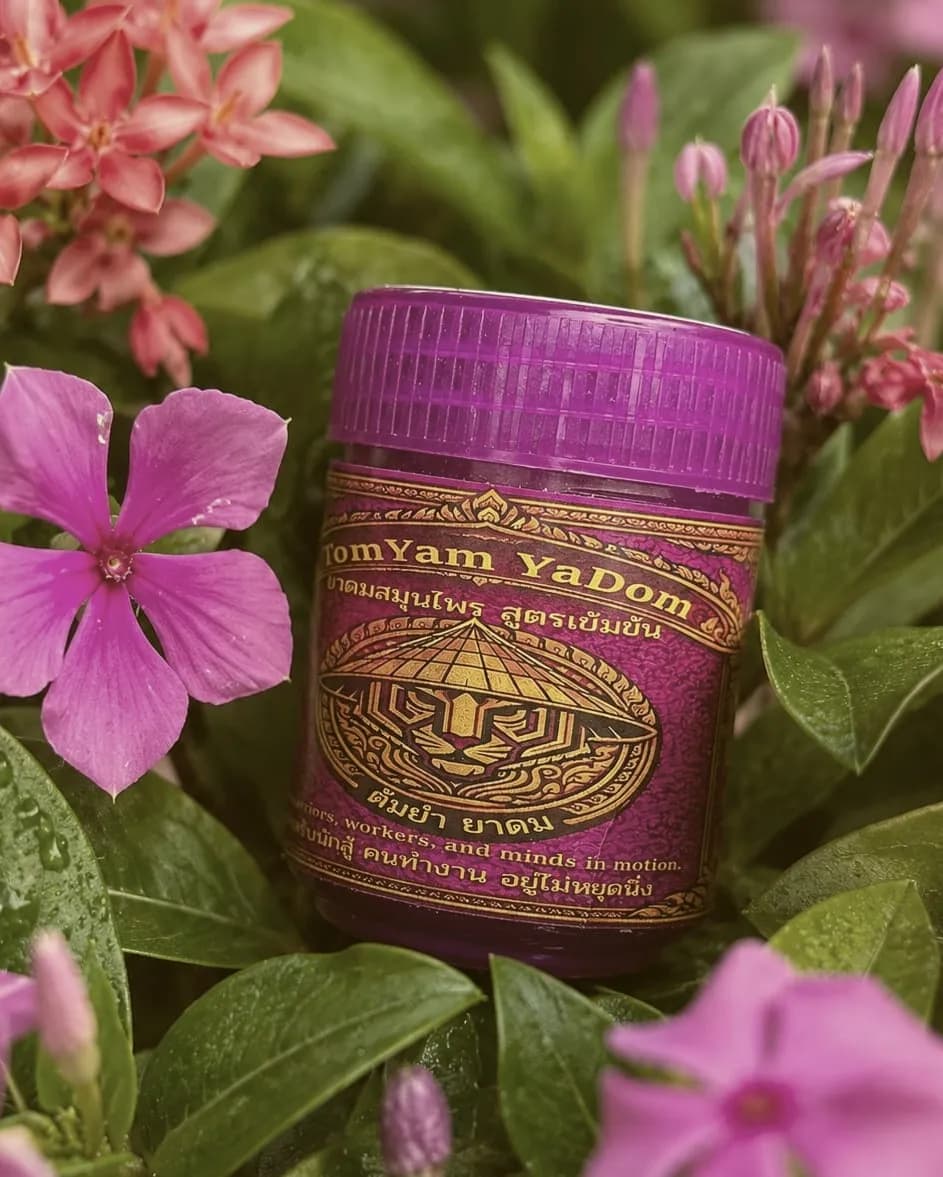 SerenityCalm the mind. Slow the breath.$20
 Evening RitualFor the end of the day.$54
 Travel RitualFor the car, the plane, the bag.$54
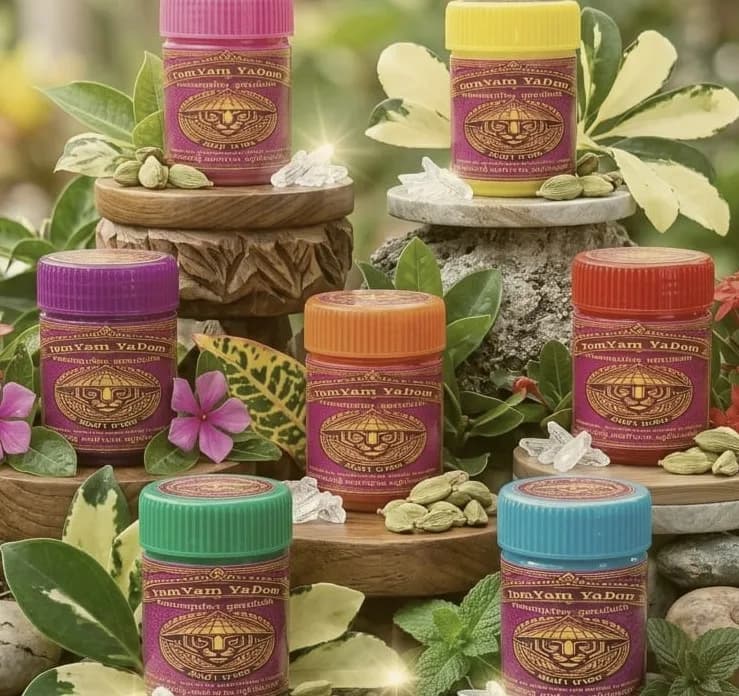 Complete Ritual SetYour complete Thai apothecary. All 7 signature scents plus Crown Blend Oil.$115
Want it on its own terms? Put White Peppercorn in a blend you build yourself.
Common Questions
What does white peppercorn smell like?
White peppercorn smells dry, sharp, and faintly earthy, cleaner and more austere than black pepper and without its fruity complexity. There is a mineral quality to it that reads almost like stone. It anchors a blend rather than warming it.
What is the difference between white and black pepper?
They come from the same vine and differ in processing. Black pepper is the unripe berry dried whole with its skin on, keeping fruit and heat, while white pepper is the ripe berry soaked until the skin can be removed, leaving something drier and more austere. Southeast Asian cooking generally prefers white, which is why it belongs in a yadom.
Which blend uses white peppercorn?
White peppercorn is in Serenity, where it supplies a dry spine underneath the jasmine, star anise, and eucalyptus. It is not one of the seven base herbs. You can add it to a custom blend in the builder.
The historical and traditional information presented on this page is for educational and cultural interest only. Tom Yam Yadom products are not intended to diagnose, treat, cure, or prevent any disease or medical condition. Ingredient histories reflect traditional and cultural uses across various societies and are not claims about the properties of our products.