Lotus Root
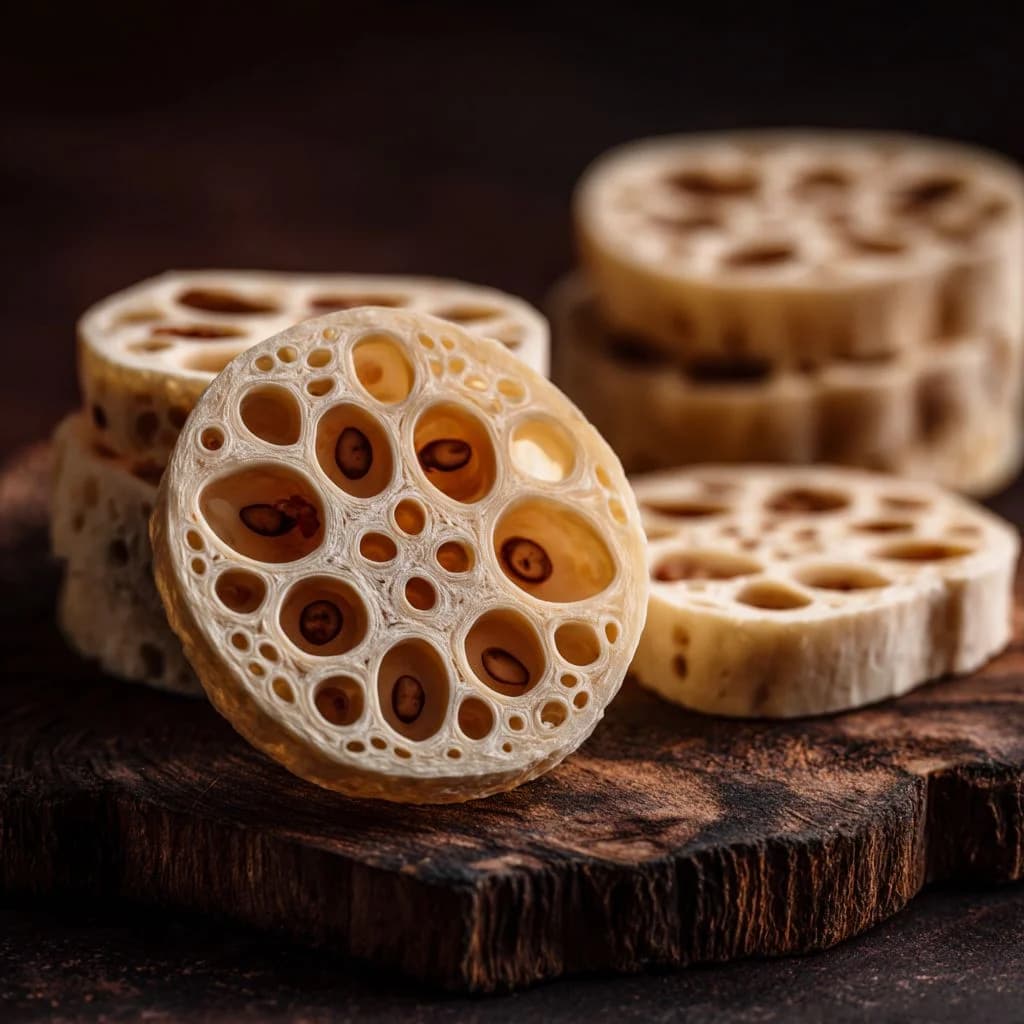
Lotus Root at a glance
- Botanical Name
- Nelumbo nucifera
- Family
- Nelumbonaceae
- Thai Name
- รากบัว (rak bua)
- Origin
- Cultivated across Asia
- Part Used
- Rhizome
- Note Position
- Base, quiet
Aroma Profile
Soft, aqueous, and subtly earthy. Lotus root brings a quiet, clean, almost watery note to a blend, a gentle background presence that softens and opens the space around stronger aromatics.
- Aqueous
- Soft
- Earthy
- Clean
- Cool
- Still
Historical Uses
The lotus (Nelumbo nucifera) holds a central place in the cultural and spiritual traditions of Asia. Sacred in Hindu, Buddhist, and ancient Egyptian contexts, the lotus is one of the most symbolically loaded plants in human history, representing purity, awakening, and the emergence of beauty from muddy water. In Thailand, the lotus is woven into daily life: flowers are offered at temples, petals are folded into decorative forms, and the plant appears in both cuisine and ceremonial practice. Lotus root has been a culinary ingredient in Chinese, Japanese, Korean, and Southeast Asian cooking for centuries, valued for its texture and mild flavor. Aromatically, lotus has been used in perfumery and incense across the region for its clean, soft, aquatic character.
Folklore & Trade
A lotus seed recovered from a dry lakebed in northeastern China was radiocarbon dated at roughly thirteen hundred years old and then, under the care of a researcher at UCLA, germinated and grew. It is one of the longest documented viabilities of any seed, and it is difficult to think of a fact that suits the plant better, given that the lotus has stood for exactly this in Asian thought for millennia: something intact waiting under the mud. In Thailand that symbolism is not abstract or occasional. Lotus buds are bought at the temple gate, the outer petals folded back by hand into a shape that opens the flower before it would open on its own, and offered. The gesture is ordinary, done daily, by people on their way somewhere else.
Modern Uses
Lotus root extract appears in natural perfumery and in artisanal aromatics as a soft, grounding note. Its aqueous quality makes it a useful balancing ingredient in blends that need a quiet, centering presence beneath more assertive aromatics.
From the Apothecary
Lotus root is the note nobody buys a yadom for and the reason a good one feels calm. It brings something almost watery into the blend, a coolness with no sharpness in it at all, and it opens up the space around the louder herbs so they are not crowding each other. Ask someone to describe a blend and they will name the citrus, the spice, the menthol. The stillness underneath all of it is this.
Pairs With
Smell It For Yourself
Lotus Root is in the Smiling Tiger blends below, hand-assembled in the USA and shipped from here.
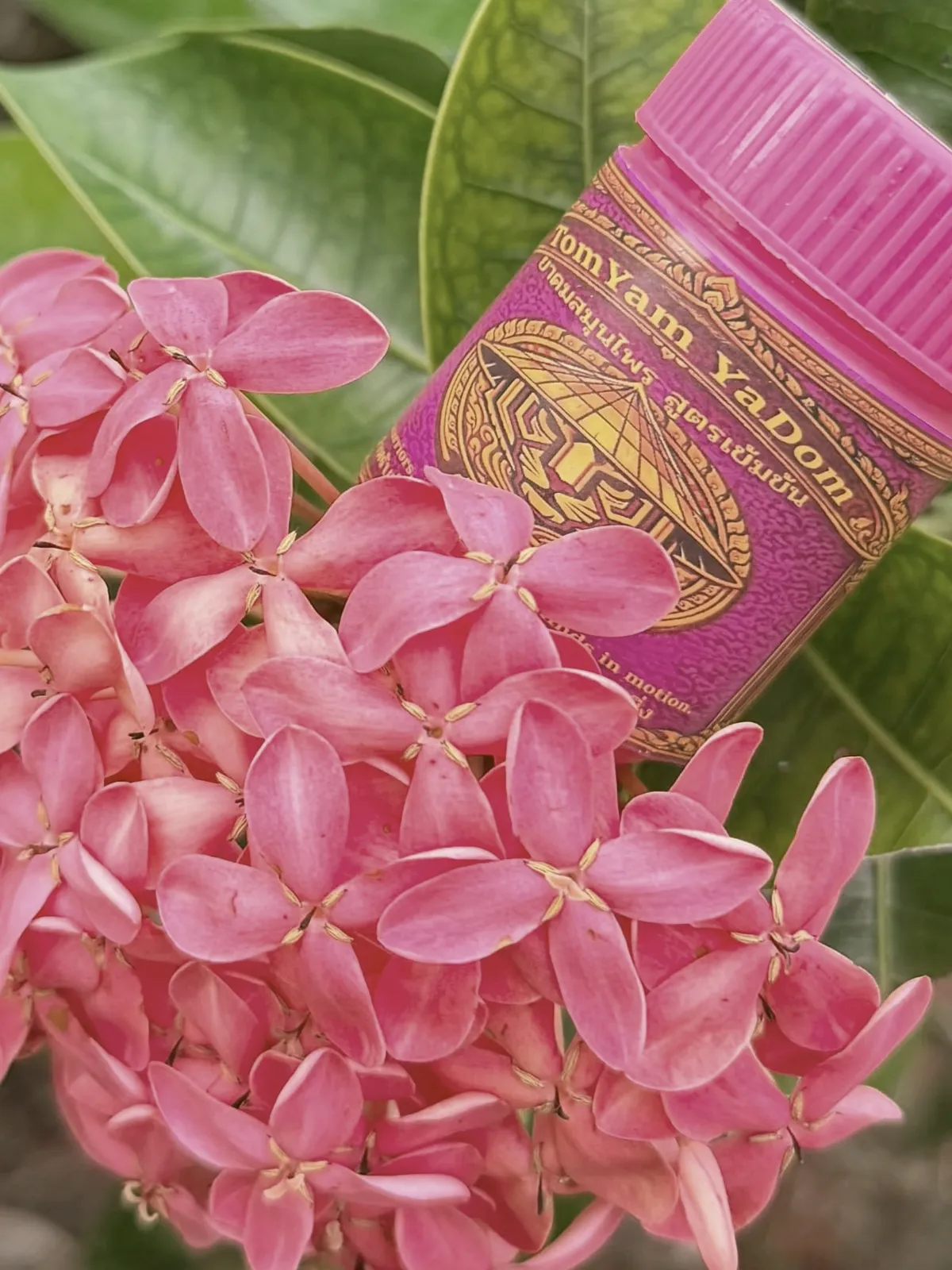 CompassionLift your mood. Open your heart.$20
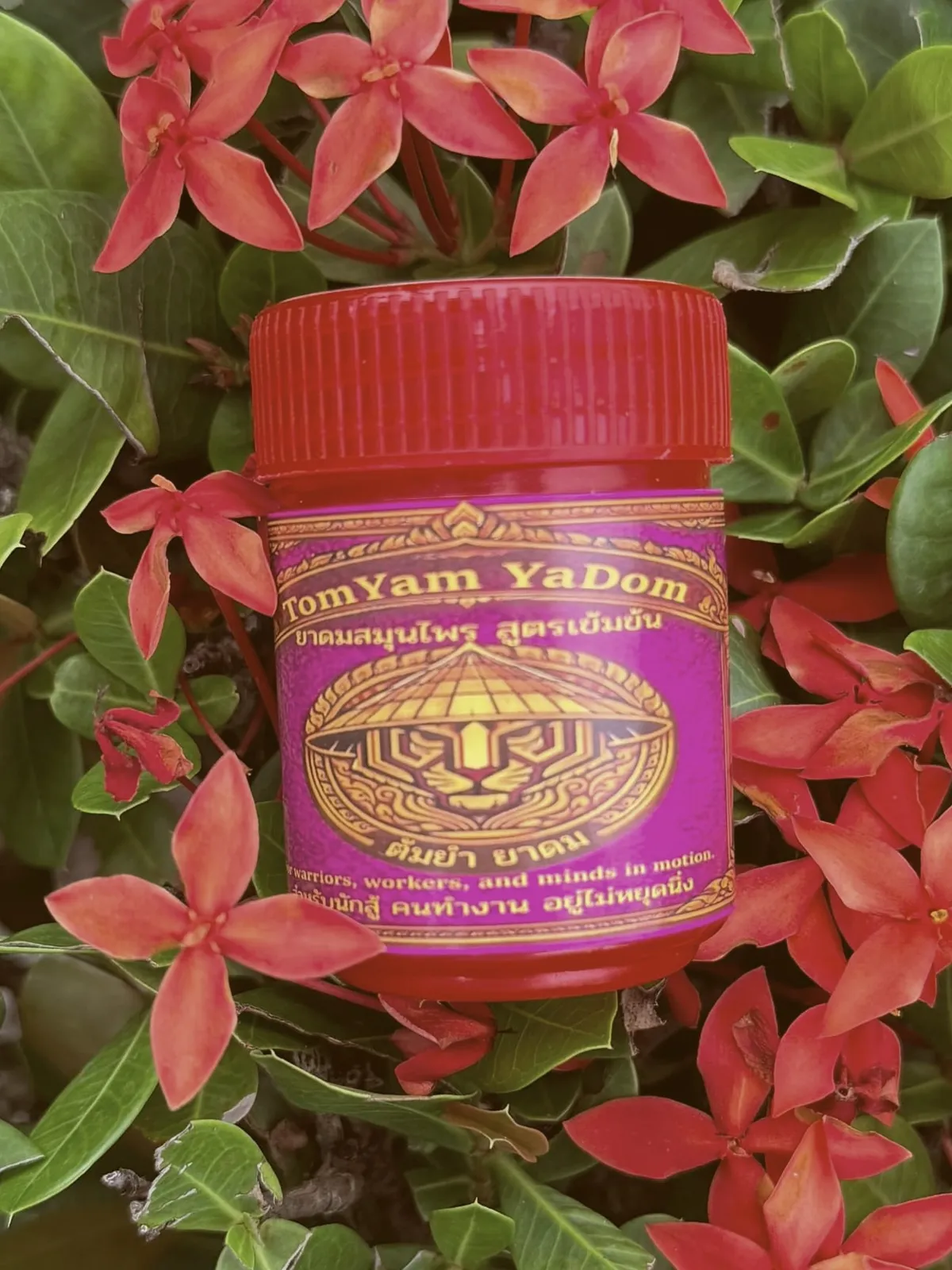 VitalityEnergy. Confidence. Drive.$20
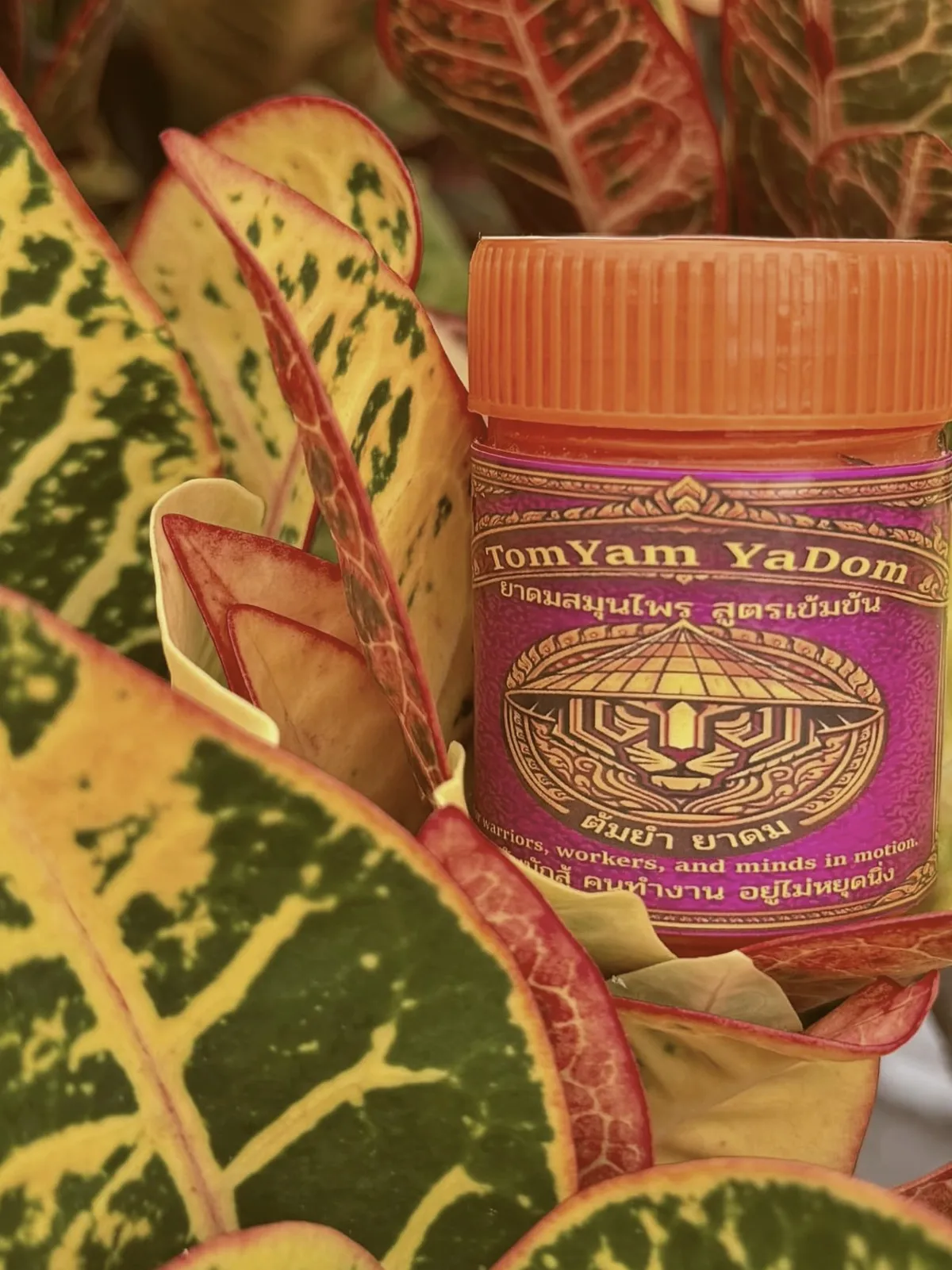 RadianceOptimism. Creativity. Brightness.$20
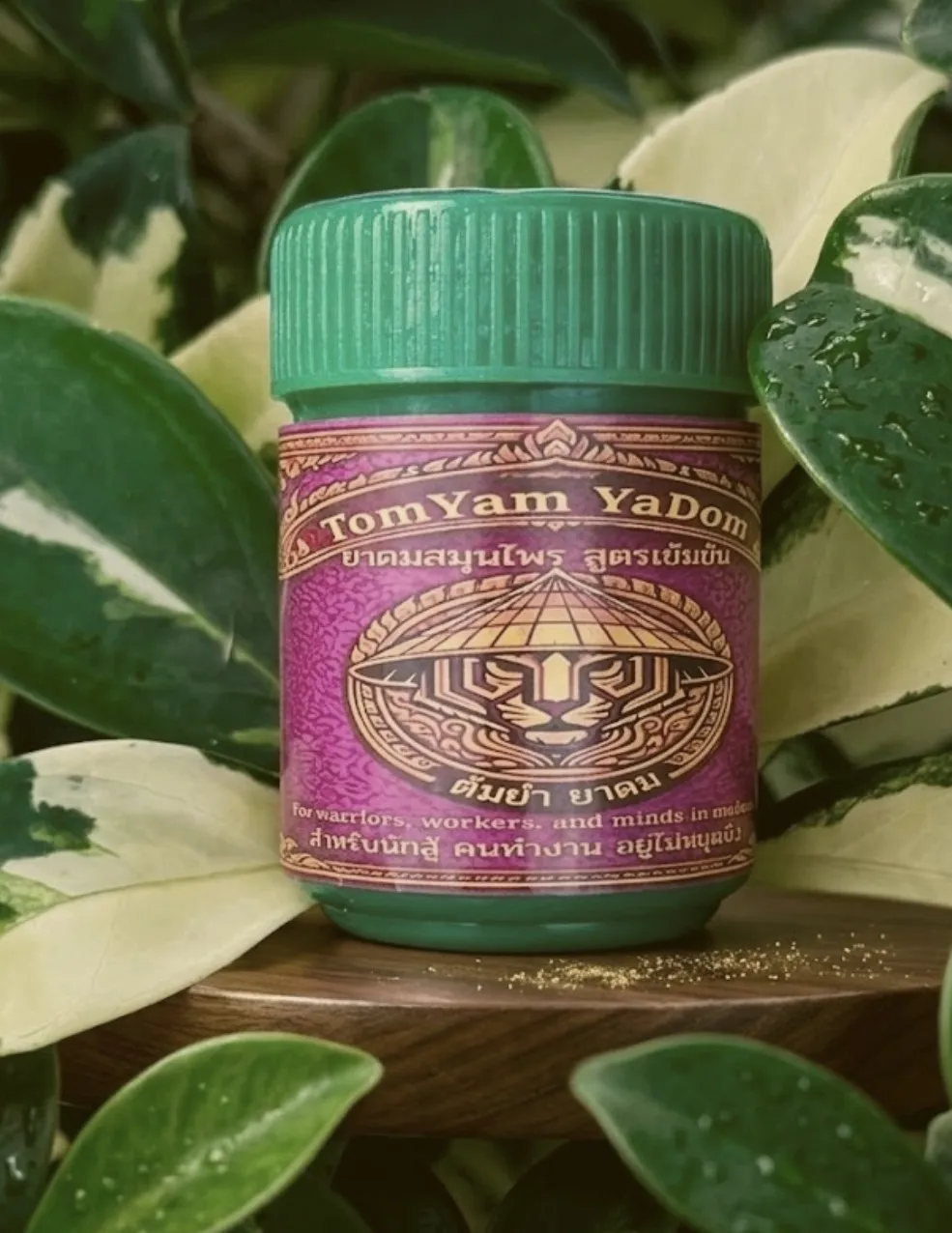 BalanceGround yourself. Come back to center.$20
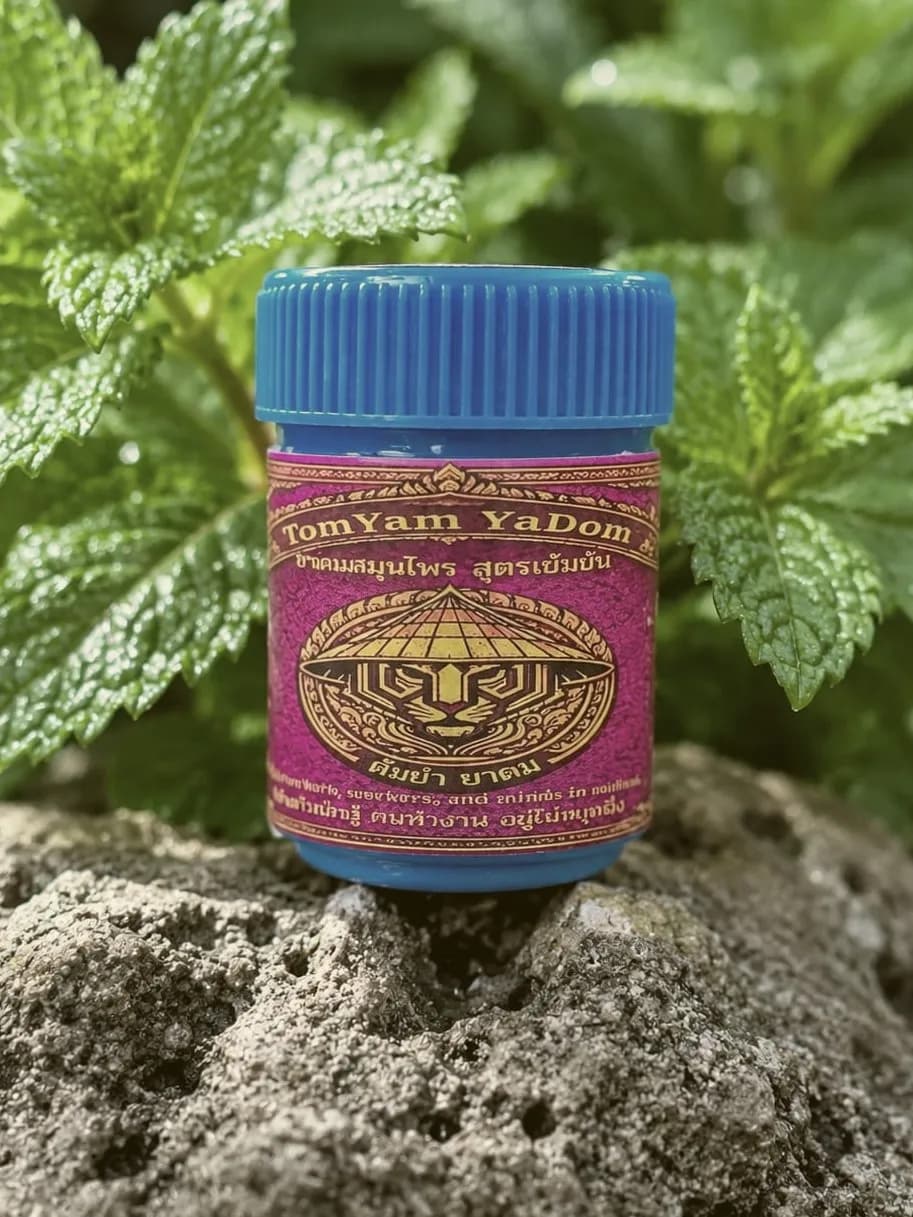 PowerThe morning hit. The pre-fight breath.$20
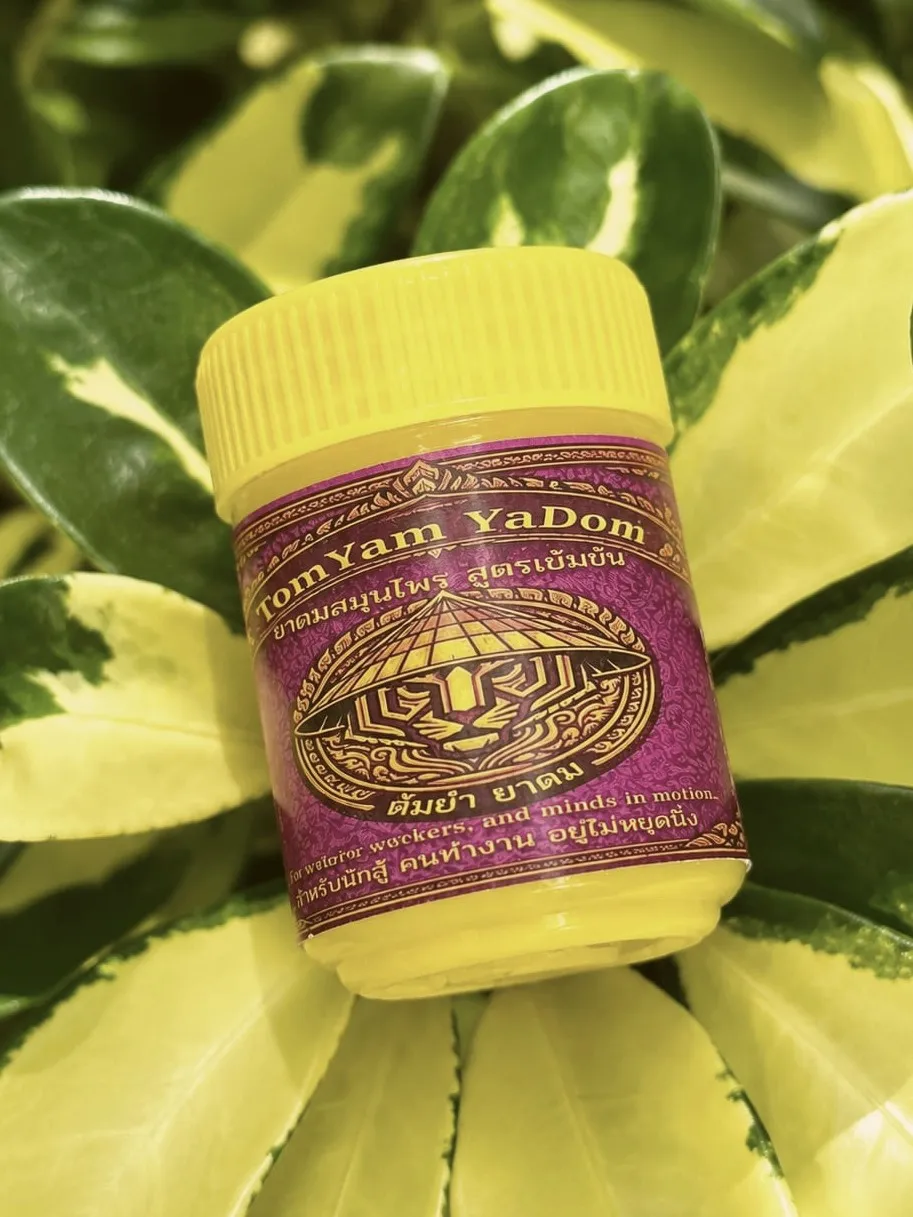 ClarityCool. Pure. Sharpen your focus.$20
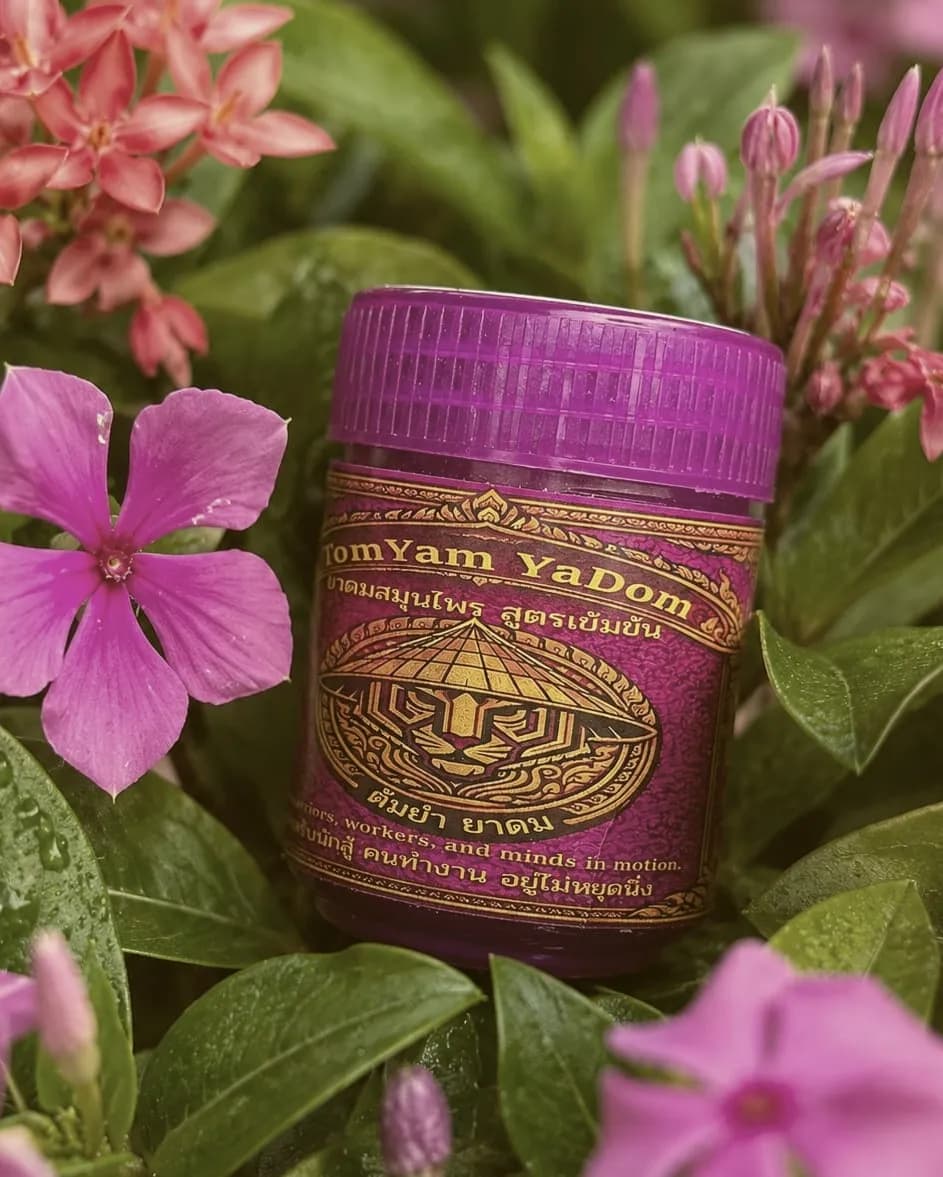 SerenityCalm the mind. Slow the breath.$20
 Morning RitualFor the hours you need to think.$54
 Evening RitualFor the end of the day.$54
 Travel RitualFor the car, the plane, the bag.$54
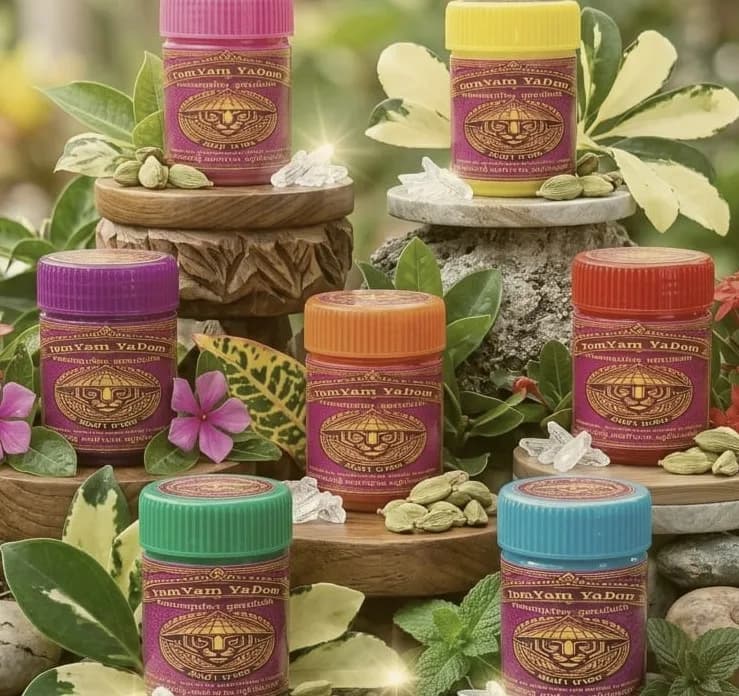 Complete Ritual SetYour complete Thai apothecary. All 7 signature scents plus Crown Blend Oil.$115
Want it on its own terms? Put Lotus Root in a blend you build yourself.
Common Questions
What does lotus root smell like?
Lotus root smells soft, clean, and faintly aqueous, with a mild earthiness underneath and no sweetness to speak of. It is the most understated aromatic in the apothecary and is very hard to identify in a finished blend. Its presence registers as space rather than as scent.
Why is lotus root in a Thai herbal inhaler?
Lotus root is one of the seven herbs of the samunprai base, carried in every Smiling Tiger scent. It works as a softener, adding a quiet, cool note that keeps the stronger aromatics from feeling crowded. It is also the plant most tied to Thai ritual life, which is part of why it belongs in a yadom at all.
Is the lotus the same as a water lily?
No, though they are constantly confused. The lotus is Nelumbo nucifera and holds its leaves and flowers above the water on stems, while water lilies float on the surface and belong to a different family entirely. The rhizome used here is the lotus, the plant of the temple offerings and of Chinese and Thai cooking.
The historical and traditional information presented on this page is for educational and cultural interest only. Tom Yam Yadom products are not intended to diagnose, treat, cure, or prevent any disease or medical condition. Ingredient histories reflect traditional and cultural uses across various societies and are not claims about the properties of our products.