Jasmine
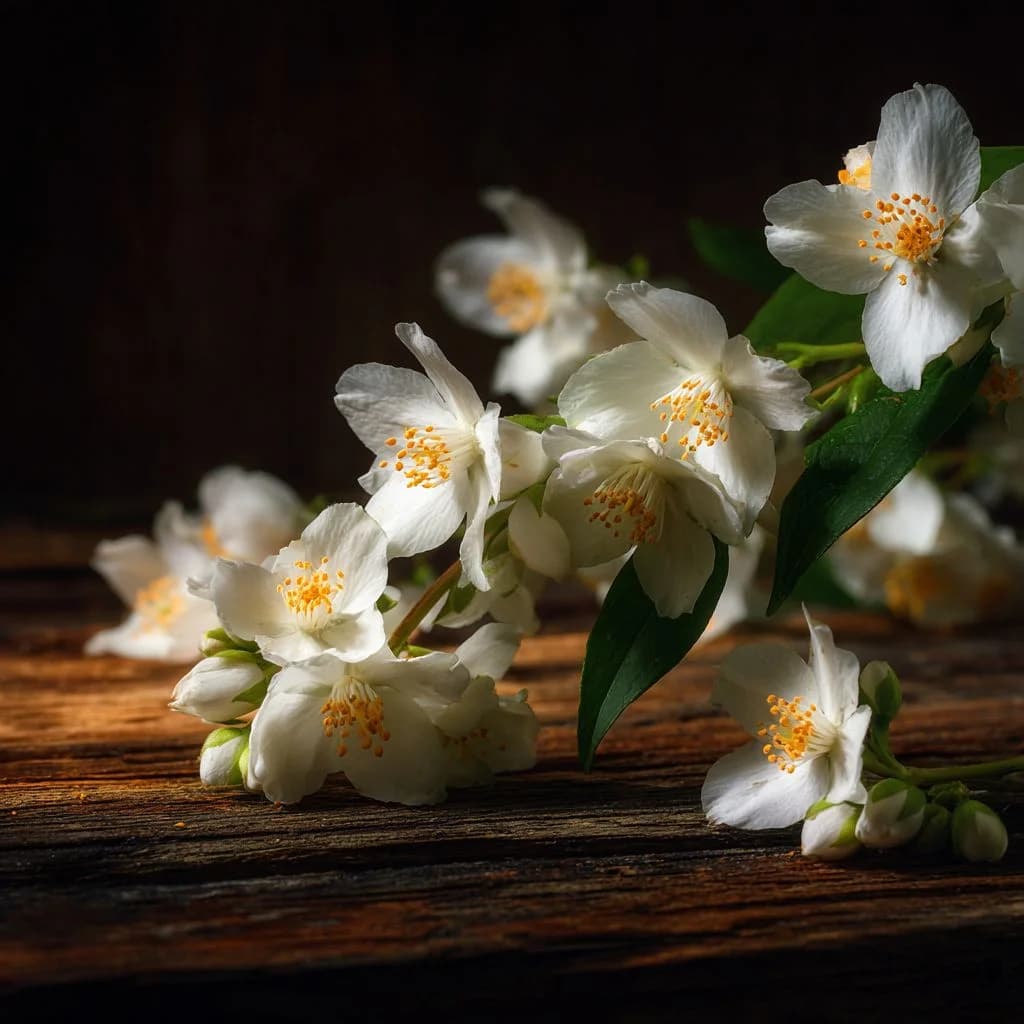
Jasmine at a glance
- Botanical Name
- Jasminum sambac
- Family
- Oleaceae
- Thai Name
- มะลิ (mali)
- Origin
- South and Southeast Asia
- Part Used
- Flower
- Note Position
- Heart, rich
Aroma Profile
Soft, floral, and luminous. Jasmine is one of the great floral aromatics: rich and sweet but not heavy, with an almost honeyed quality and a warmth that deepens on the exhale.
- Floral
- Honeyed
- Luminous
- Rich
- Warm
- Soft
Historical Uses
Jasmine (Jasminum sambac and related species) has been cultivated for its scent across South Asia, Southeast Asia, the Middle East, and the Mediterranean for thousands of years. In Thailand, jasmine holds deep cultural significance: malai jasmine garlands are offered at temples, given as tokens of respect, and used in religious ceremonies throughout the country. Thai jasmine rice (Khao Hom Mali) takes its name from the flower's scent. In India, jasmine is woven into bridal garlands and is central to several regional perfumery traditions. In the Arab world and in Europe, jasmine has been a foundational fine fragrance ingredient since the earliest days of perfumery. Jasmine absolute is one of the most expensive natural aromatic materials in the world.
Folklore & Trade
Jasmine is picked in the dark. The flowers open after sunset and their scent peaks in the small hours, then collapses once the sun is on them, so harvest happens between roughly two and dawn, by hand, one bud at a time, and the day's crop has to reach extraction within hours. It takes an enormous number of flowers to produce a very small quantity of absolute, which is why jasmine remains among the most expensive natural materials in perfumery. In Thailand the same flower does entirely unglamorous daily work: mali is strung into phuang malai garlands sold at traffic lights and temple gates, and it is the flower of Mother's Day, given to mothers on the twelfth of August. The most costly smell in the world is also the one Thai children hand over in a plastic bag.
Modern Uses
Jasmine is a cornerstone of fine perfumery globally and remains central to Thai and South Asian floral tradition. In an inhaler blend, jasmine adds a soft, warm, luminous floral note that brings elegance and depth to any composition it enters.
From the Apothecary
Jasmine is the one ingredient in the apothecary that could carry a blend entirely on its own, which is precisely the problem with it. Give it any room and it will take all of it. In Serenity we hold it in check with eucalyptus above and star anise below, and what you get is jasmine behaving like a member of a composition rather than a soloist. That restraint is most of the work in that blend.
Pairs With
Smell It For Yourself
Jasmine is in the Smiling Tiger blends below, hand-assembled in the USA and shipped from here.
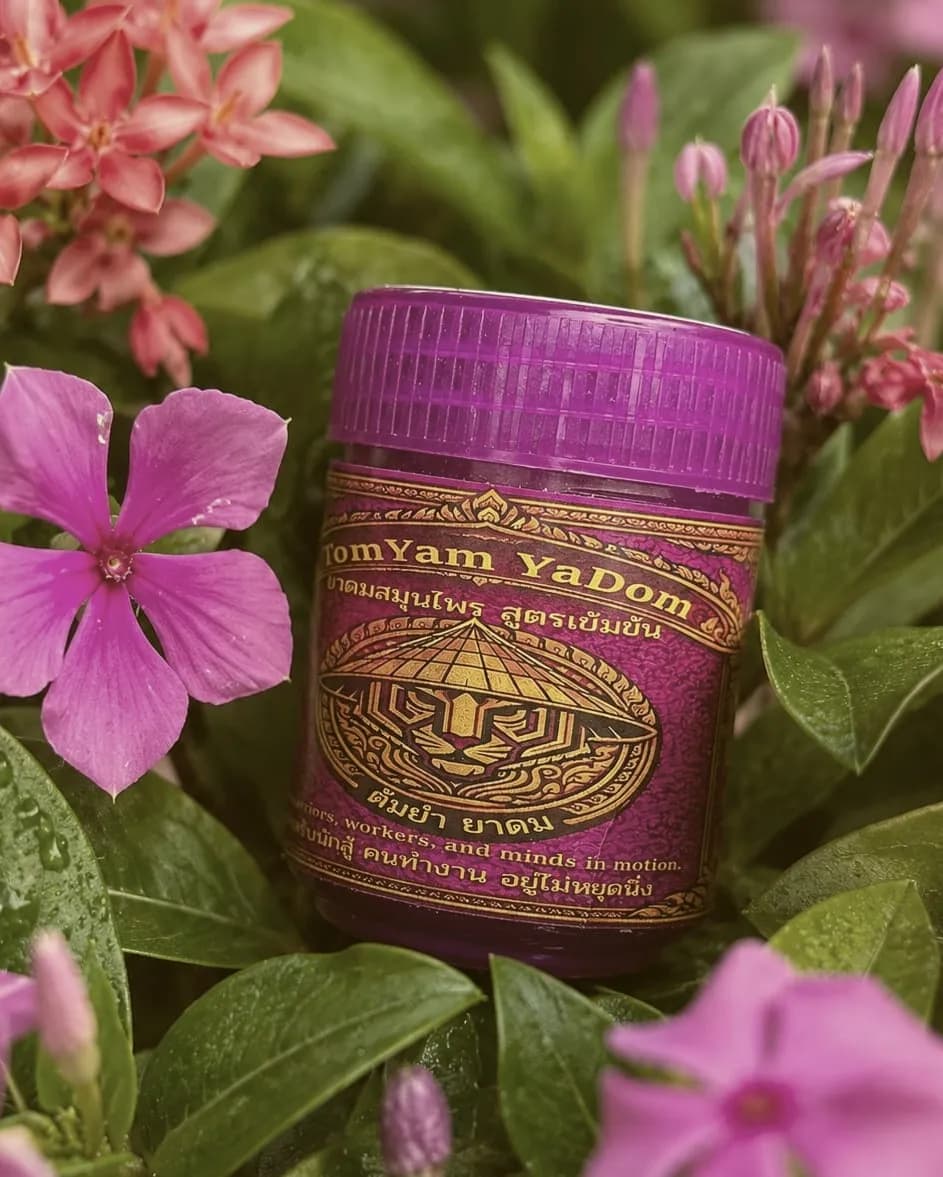 SerenityCalm the mind. Slow the breath.$20
 Evening RitualFor the end of the day.$54
 Travel RitualFor the car, the plane, the bag.$54
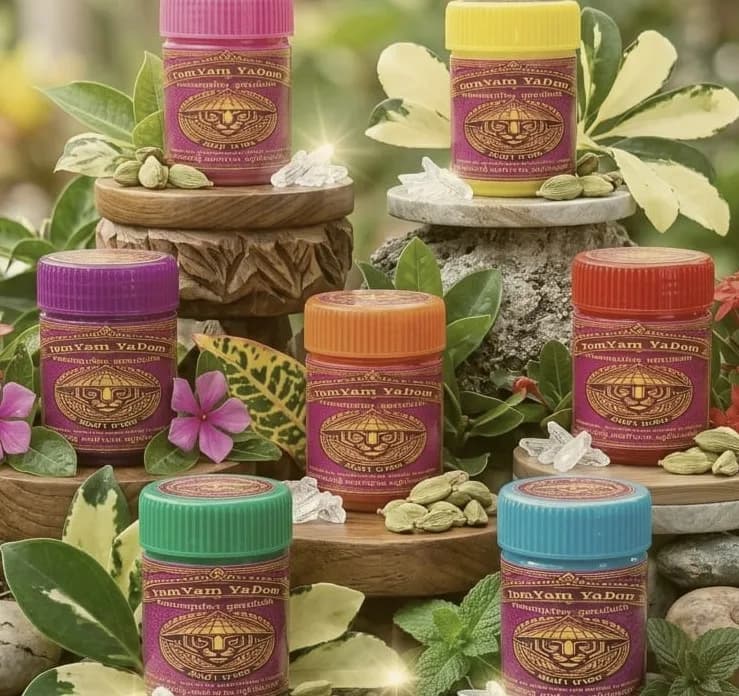 Complete Ritual SetYour complete Thai apothecary. All 7 signature scents plus Crown Blend Oil.$115
Want it on its own terms? Put Jasmine in a blend you build yourself.
Common Questions
What does jasmine smell like?
Jasmine smells rich, soft, and luminous, sweet without being heavy, with an almost honeyed quality and a warmth that deepens as it settles. It is one of the fullest floral aromas in existence. In a blend it expands rather than sits still, which is why it needs careful handling.
Why is jasmine absolute so expensive?
Because of how it has to be gathered. The flowers must be picked by hand at night while the scent is at its peak, they cannot be stored, and it takes many thousands of blossoms to yield a small amount of absolute. The cost is almost entirely labour and timing rather than rarity of the plant.
Which blend uses jasmine?
Jasmine is in Serenity, held between eucalyptus above and star anise below so it stays part of the composition. It is not one of the seven base herbs. You can add it to a custom blend in the builder.
The historical and traditional information presented on this page is for educational and cultural interest only. Tom Yam Yadom products are not intended to diagnose, treat, cure, or prevent any disease or medical condition. Ingredient histories reflect traditional and cultural uses across various societies and are not claims about the properties of our products.