Aromatic Curcuma
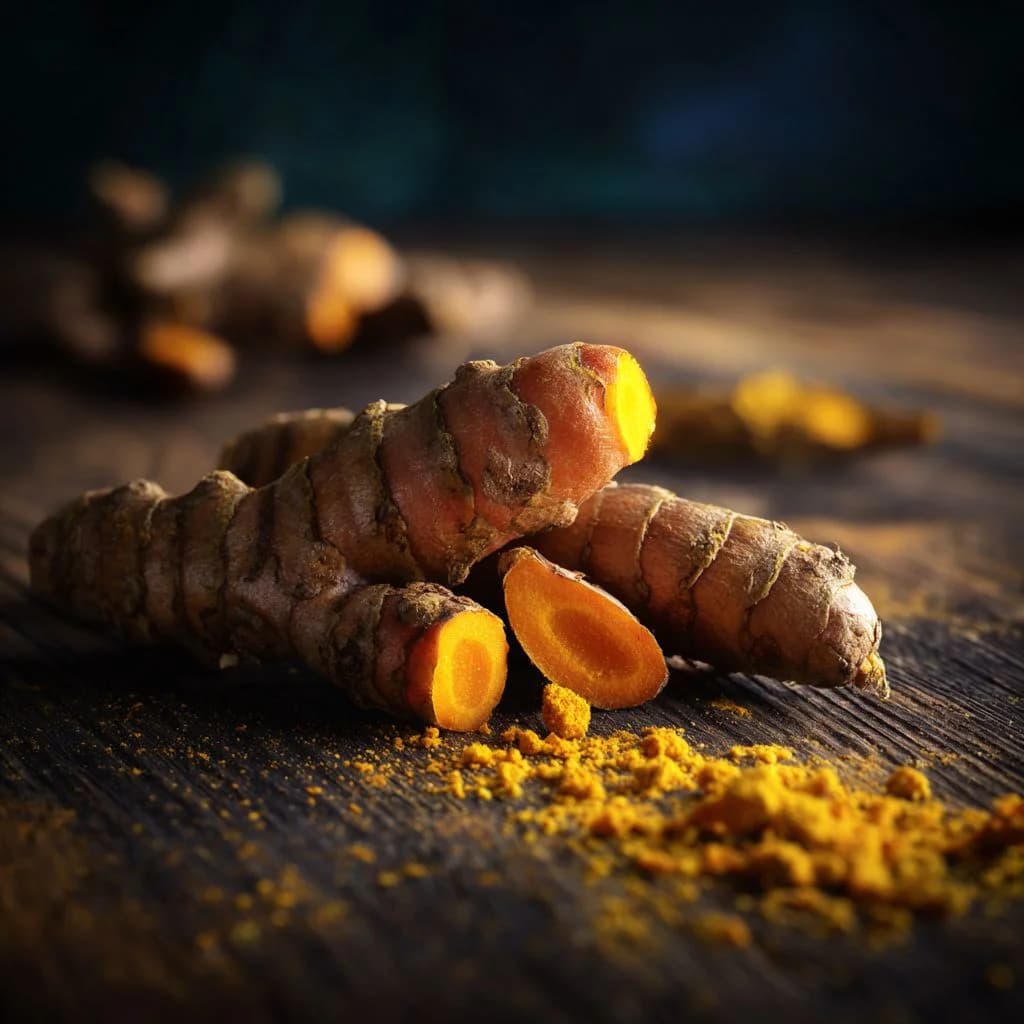
Aromatic Curcuma at a glance
- Botanical Name
- Curcuma aromatica
- Family
- Zingiberaceae
- Thai Name
- ว่านนางคำ (wan nang kham)
- Origin
- South and Southeast Asia
- Part Used
- Dried rhizome
- Note Position
- Base, earthy
Aroma Profile
Warm, earthy, and subtly radiant. Aromatic curcuma (distinct from culinary turmeric) carries a softer, more floral earthiness than its kitchen cousin, with a gentle warmth that opens slowly in a blend.
- Earthy
- Warm
- Softly floral
- Rooty
- Golden
- Dry
Historical Uses
Curcuma species have been cultivated across South and Southeast Asia for thousands of years. In Thailand, aromatic curcuma (Curcuma aromatica) holds a distinct place from culinary turmeric, used historically in ritual, cosmetic, and aromatic contexts rather than primarily as a food ingredient. It appears in traditional Thai herbal compress recipes (luk pra kob) and in aromatic preparations used during ceremonial occasions. In Indian tradition, curcuma species feature in both Ayurvedic practice and in ritual use, including as a component of ceremonial pastes and incense.
Folklore & Trade
The Thai name carries more than the plant. Wan is a category rather than a word, a class of plants kept in household gardens because they were held to be auspicious, and a wan is planted with intention in a way an ordinary herb is not. Nang kham reads roughly as golden lady. The rhizome belongs to the same aromatic vocabulary as the luk pra kob, the muslin compress packed with herbs, steamed, and pressed along the body in traditional Thai massage, and it appears in the yellow anointing pastes used at weddings and ordinations, where the colour itself is the point. Kitchen turmeric, khamin, is a different plant with a different job, and Thai households have never confused the two.
Modern Uses
Aromatic curcuma is valued in natural perfumery and craft aromatics for its earthy warmth and its ability to add body and depth to a blend without dominating it. In Thai herbal traditions it remains a staple of handcrafted inhalants and compresses, linking it directly to the yadom lineage.
From the Apothecary
This is the ingredient we get asked about least and would defend nearly as hard as borneol. Aromatic curcuma does not announce anything. It sits at the bottom of the blend and gives the whole thing a colour, a dry golden earthiness that you notice mainly by taking it away. We tried a version of the base without it once, out of curiosity. It smelled like an assembly of good ingredients instead of like one thing.
Pairs With
Smell It For Yourself
Aromatic Curcuma is in the Smiling Tiger blends below, hand-assembled in the USA and shipped from here.
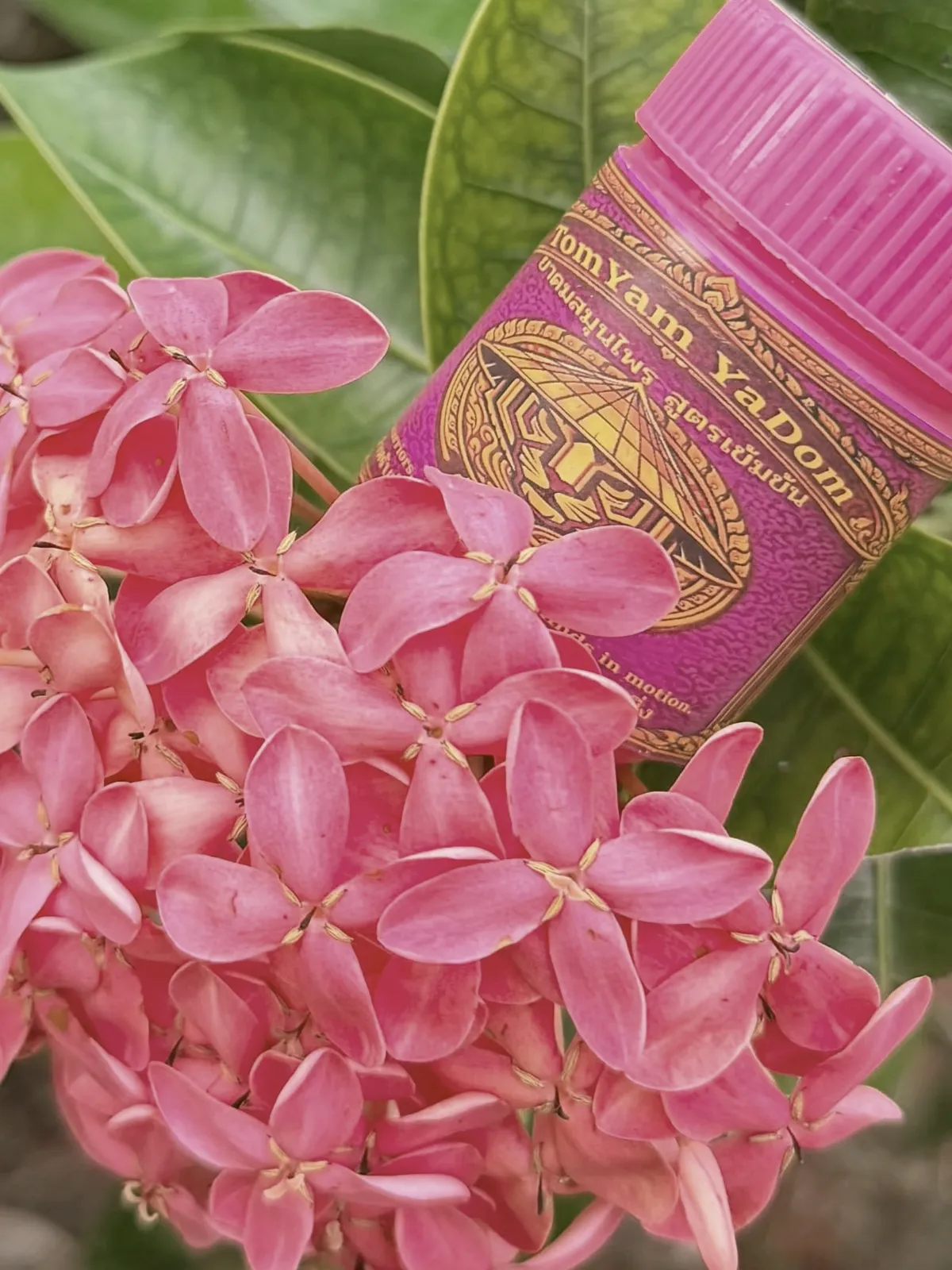 CompassionLift your mood. Open your heart.$20
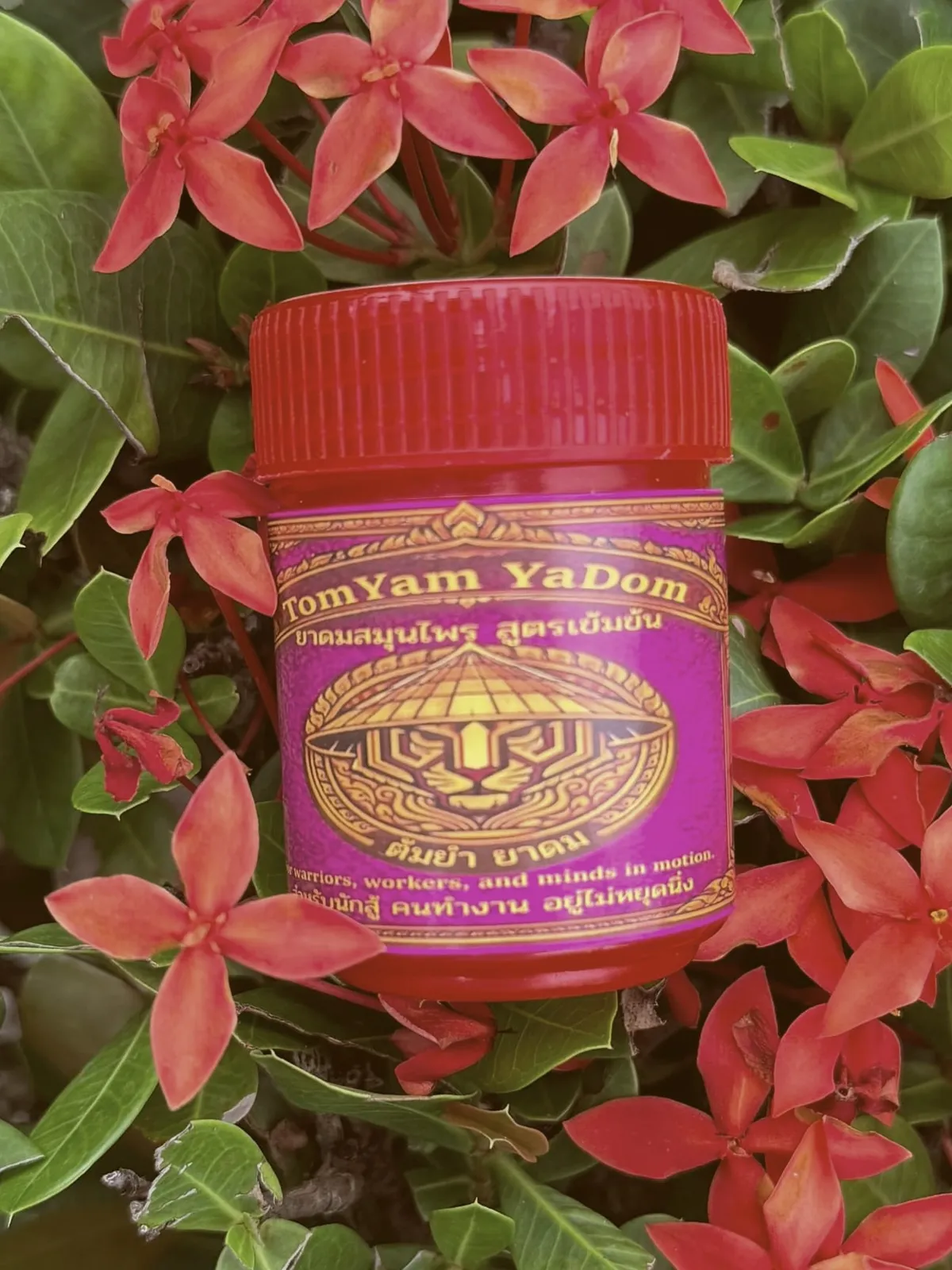 VitalityEnergy. Confidence. Drive.$20
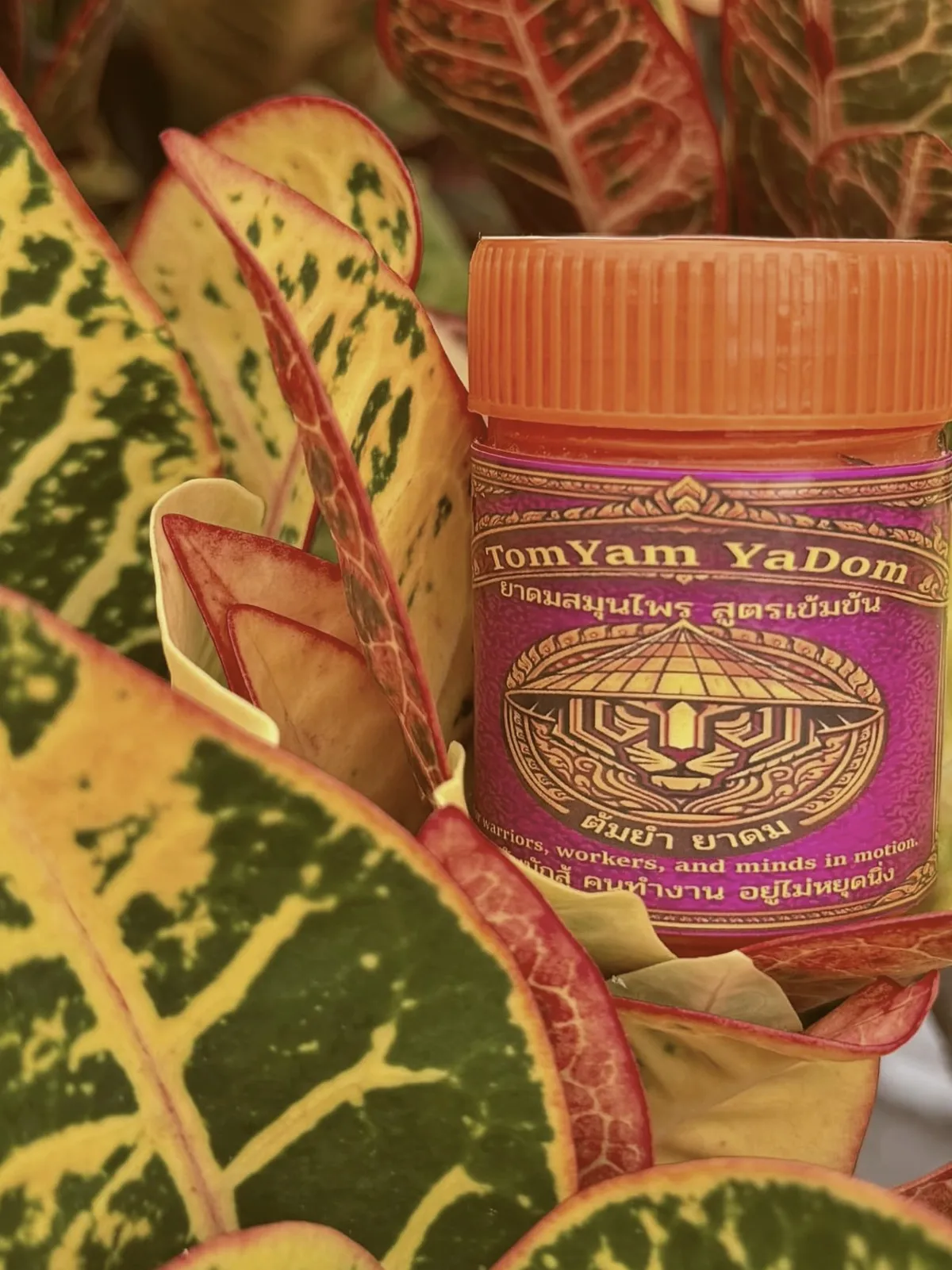 RadianceOptimism. Creativity. Brightness.$20
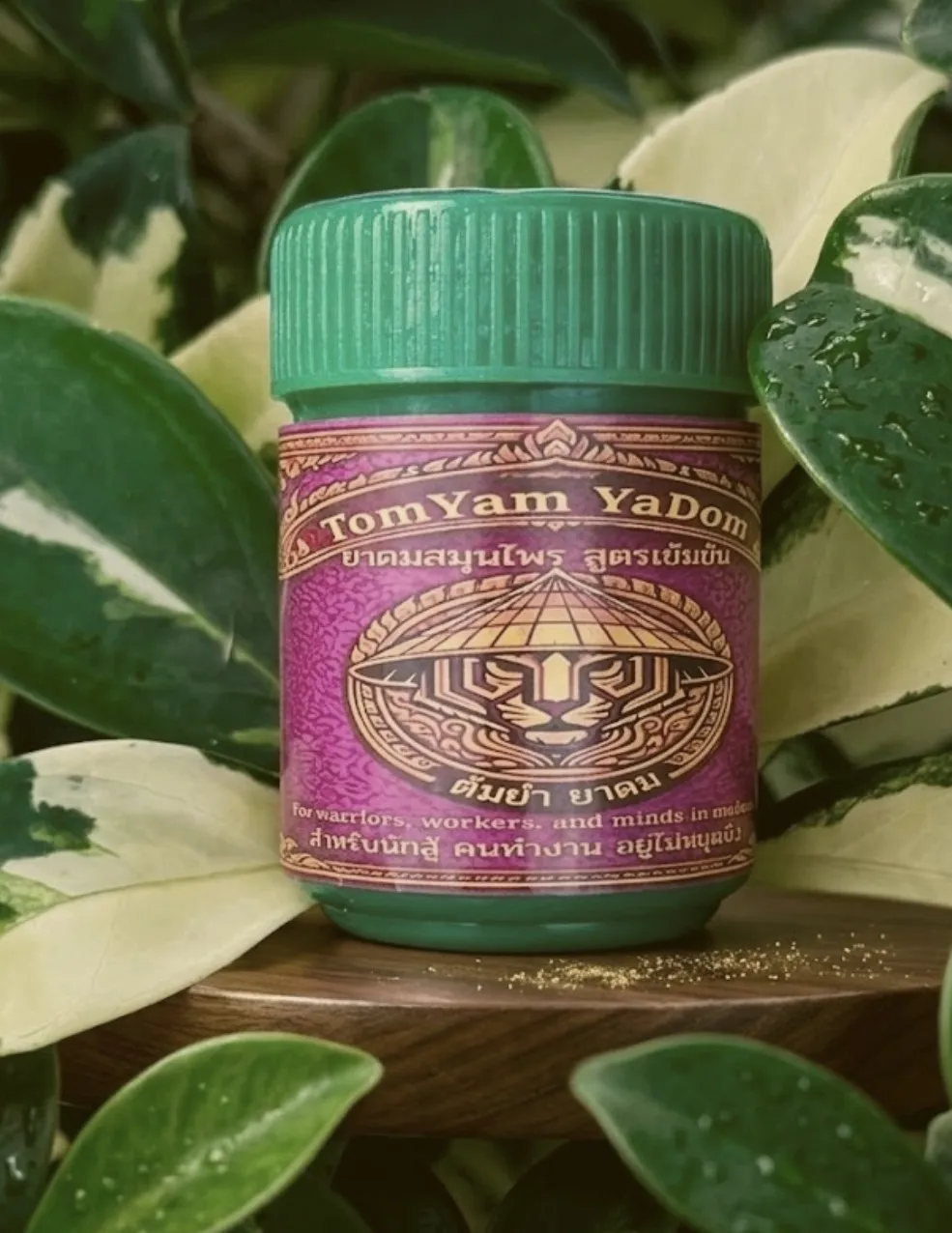 BalanceGround yourself. Come back to center.$20
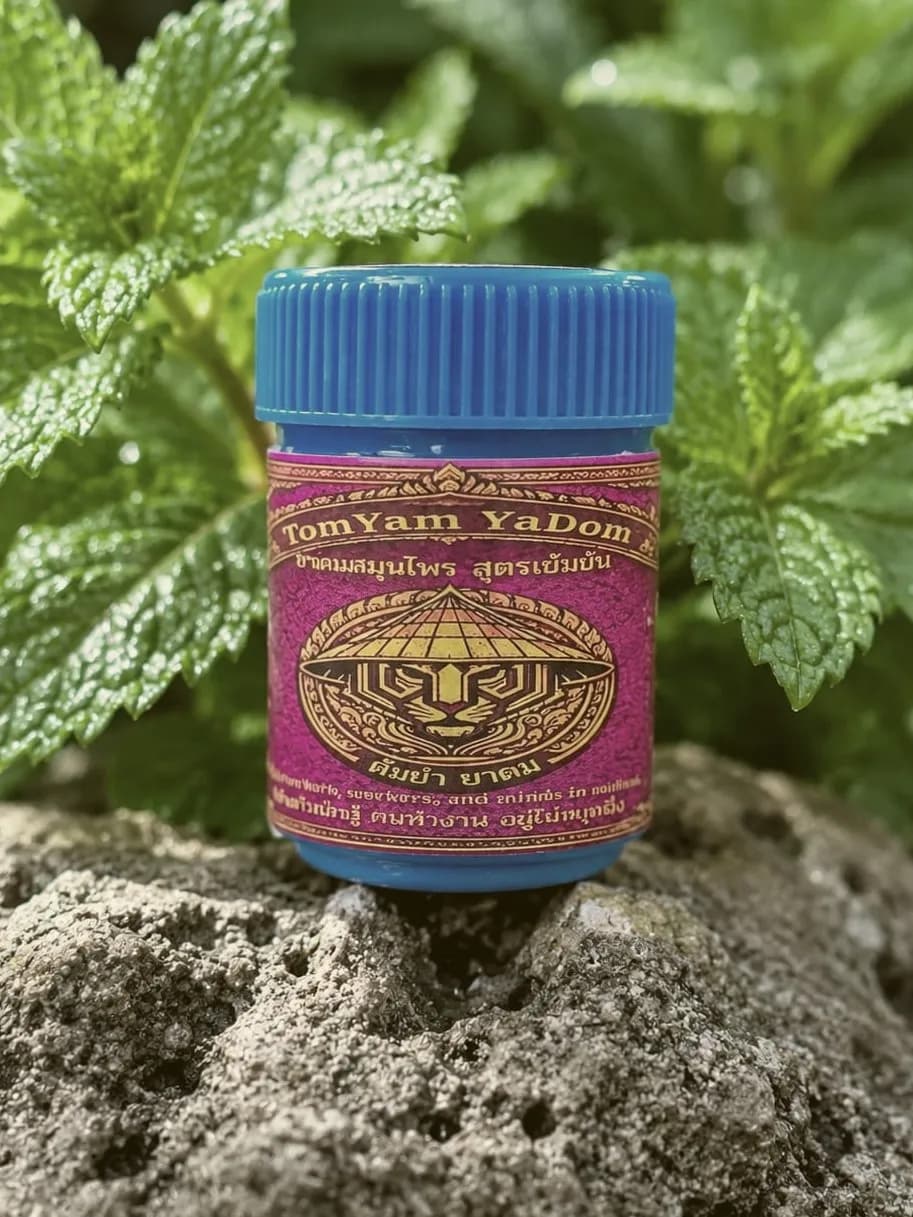 PowerThe morning hit. The pre-fight breath.$20
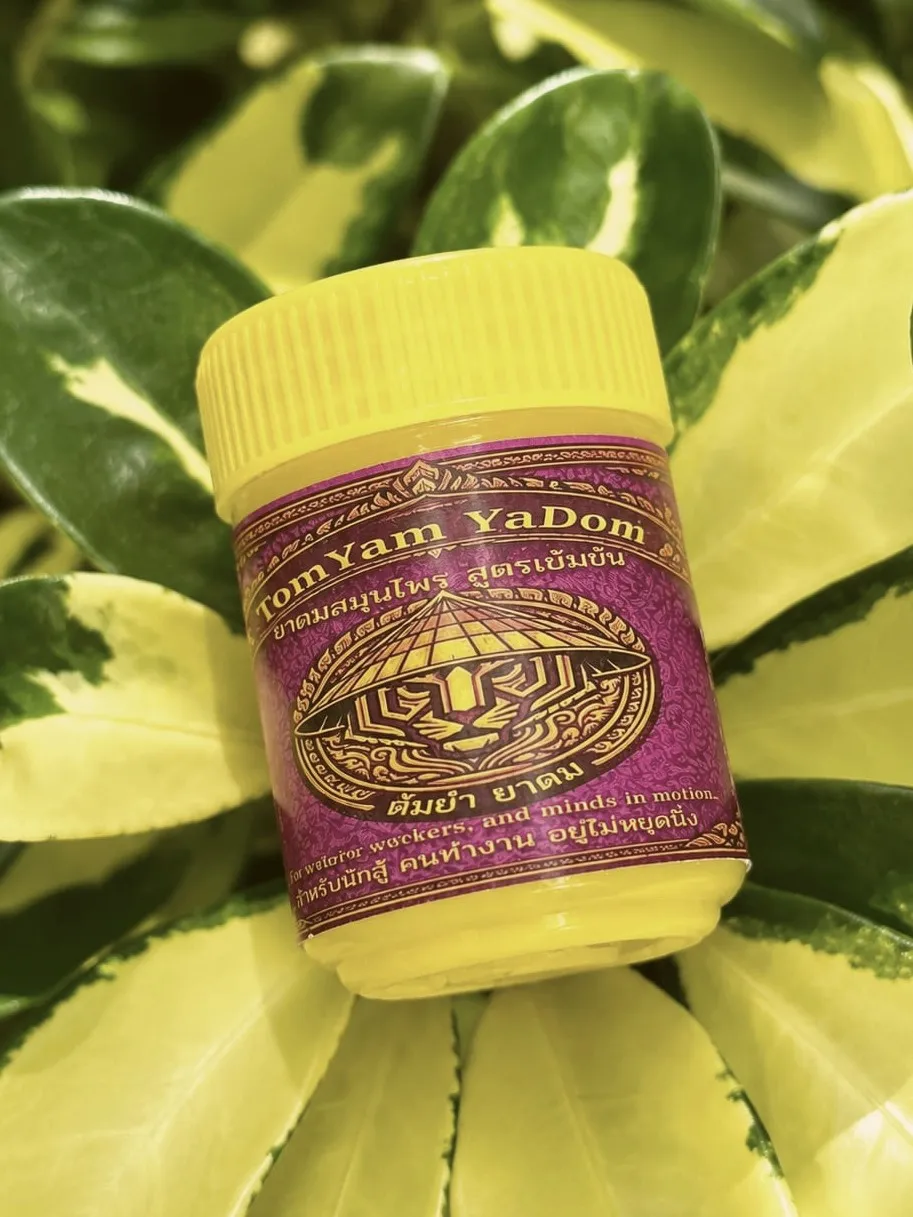 ClarityCool. Pure. Sharpen your focus.Sold Out
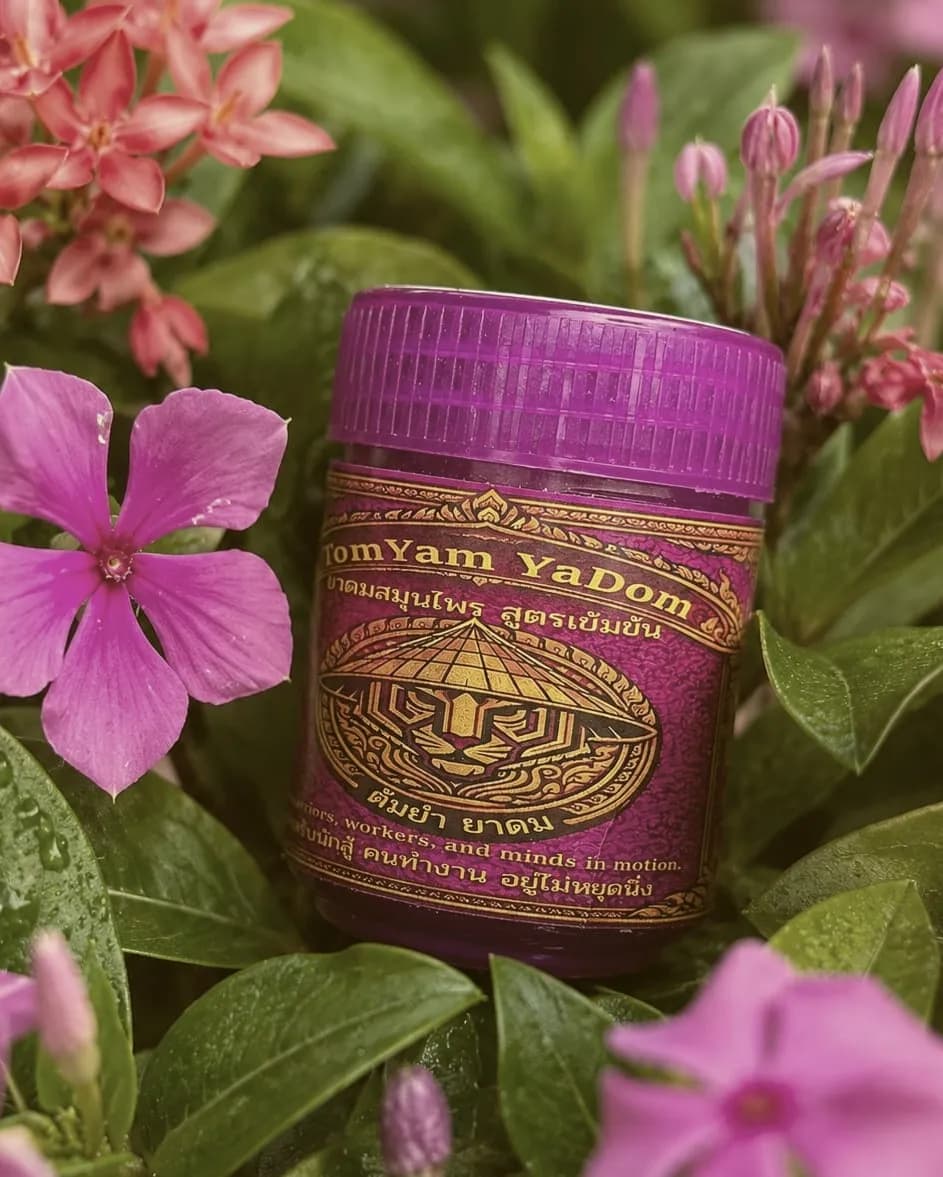 SerenityCalm the mind. Slow the breath.$20
 Morning RitualFor the hours you need to think.Sold Out
 Evening RitualFor the end of the day.$54
 Travel RitualFor the car, the plane, the bag.Sold Out
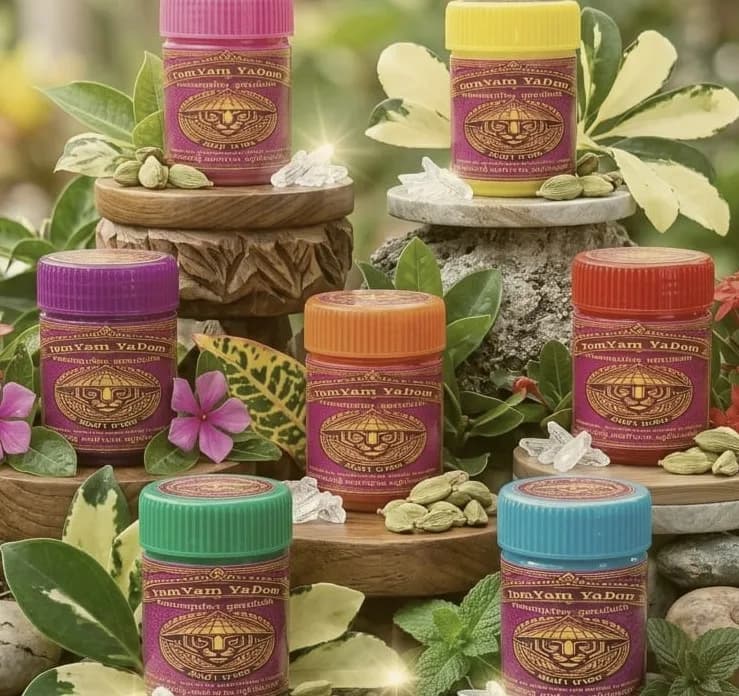 Complete Ritual SetYour complete Thai apothecary. All 7 signature scents plus Crown Blend Oil.$115
Want it on its own terms? Put Aromatic Curcuma in a blend you build yourself.
Common Questions
What does aromatic curcuma smell like?
Aromatic curcuma smells earthy and warm with a soft, almost floral edge that kitchen turmeric does not have. It is dry rather than sweet, and it opens slowly, sitting underneath a blend instead of on top of it. The character is closer to a root note in perfumery than to a cooking spice.
Is aromatic curcuma the same as turmeric?
No. Aromatic curcuma is Curcuma aromatica, a different species from the culinary turmeric, Curcuma longa, that colours a curry. Thai tradition treats them separately and gives them separate names, wan nang kham and khamin, and uses aromatic curcuma in ritual, cosmetic, and aromatic contexts rather than in cooking.
What does aromatic curcuma do in a blend?
It provides the base. Aromatic curcuma is one of the seven herbs of the samunprai foundation and it gives the composition an earthy floor for the cooling and bright notes to sit above. On its own it is quiet, and that is exactly its function.
The historical and traditional information presented on this page is for educational and cultural interest only. Tom Yam Yadom products are not intended to diagnose, treat, cure, or prevent any disease or medical condition. Ingredient histories reflect traditional and cultural uses across various societies and are not claims about the properties of our products.