Cloves
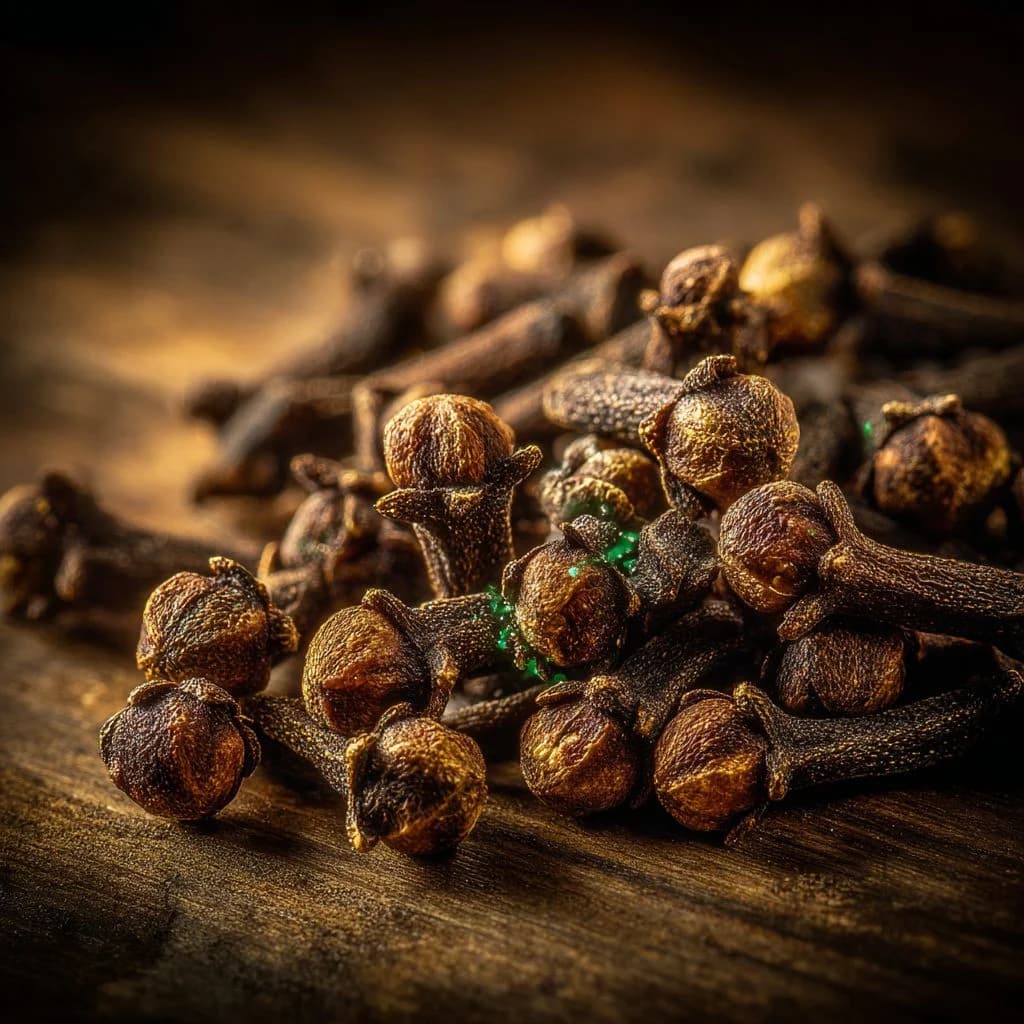
Cloves at a glance
- Botanical Name
- Syzygium aromaticum
- Family
- Myrtaceae
- Thai Name
- กานพลู (kan phlu)
- Origin
- The Maluku Islands, Indonesia
- Part Used
- Dried unopened flower bud
- Note Position
- Heart, settling into the base
Aroma Profile
Warm, intensely aromatic, and slightly sweet-spicy. Cloves have a depth and richness that grounds a blend, adding a rounded heat that lingers without sharpness.
- Warm
- Sweet-spiced
- Resinous
- Balsamic
- Rounded
- Deep
Historical Uses
Cloves (Syzygium aromaticum) are native to the Maluku Islands of Indonesia and were among the most prized spices in the ancient and medieval spice trade, reaching China, India, the Arab world, and eventually Europe centuries before colonization. In traditional Ayurvedic and Chinese medicine, cloves were used in aromatic and warming preparations. They feature prominently in the incense and ritual traditions of South and Southeast Asia, where their warm, resinous smoke was considered purifying. Culinarily, cloves have been essential to spice blends, braises, mulled drinks, and sweets across South Asian, Middle Eastern, European, and Southeast Asian cooking for millennia.
Folklore & Trade
For most of recorded history every clove on earth came from five small volcanic islands in the Malukus, and the people of Ternate and Tidore built a culture around that fact. A clove tree was planted when a child was born and its life was understood to run alongside theirs, which made cutting one down an act with a weight that had nothing to do with commerce. The Dutch East India Company then made it entirely about commerce. To hold the price up it ran extirpatie, systematically destroying clove trees outside the few islands it controlled, and the resulting revolts and reprisals shaped the region for generations. A tree on Ternate called Afo is held locally to have survived that period, and seedlings taken from it are part of how the story is still told.
Modern Uses
Cloves remain a cornerstone of global cooking and aromatic craft. Clove essential oil is widely used in perfumery and artisanal aromatics for its warmth and staying power. In herbal inhalers, cloves add grounding depth and a sweet-spicy character that balances cooler, sharper notes.
From the Apothecary
Cloves are what stop a yadom from being a cold snap and nothing else. There is a sweetness in them that arrives late, after the menthol has done its work and moved on, and it is the note that makes people say a blend smells expensive without being able to say why. Get the quantity wrong and it turns into a Christmas candle. Get it right and it simply reads as depth.
Pairs With
Smell It For Yourself
Cloves is in the Smiling Tiger blends below, hand-assembled in the USA and shipped from here.
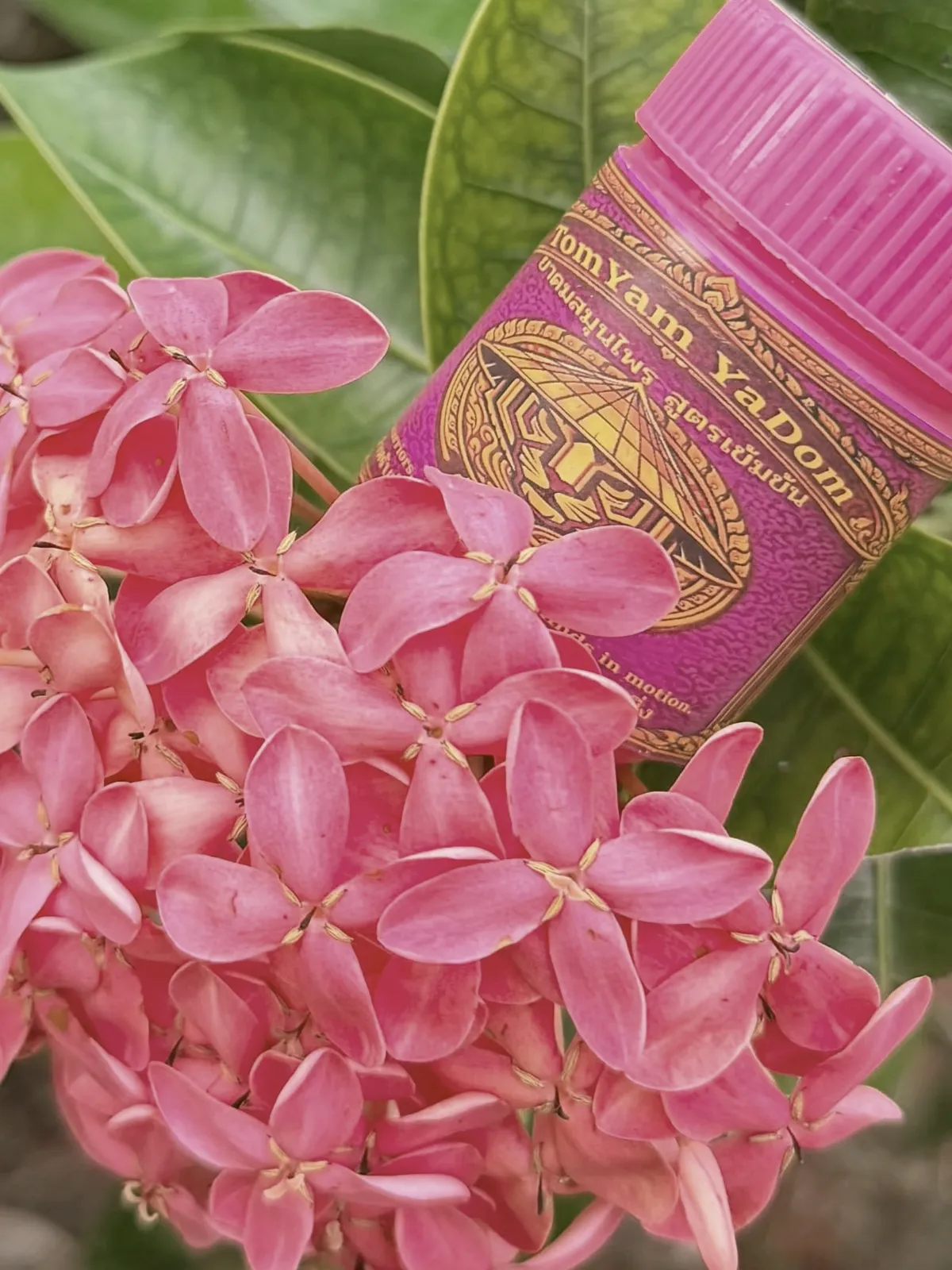 CompassionLift your mood. Open your heart.$20
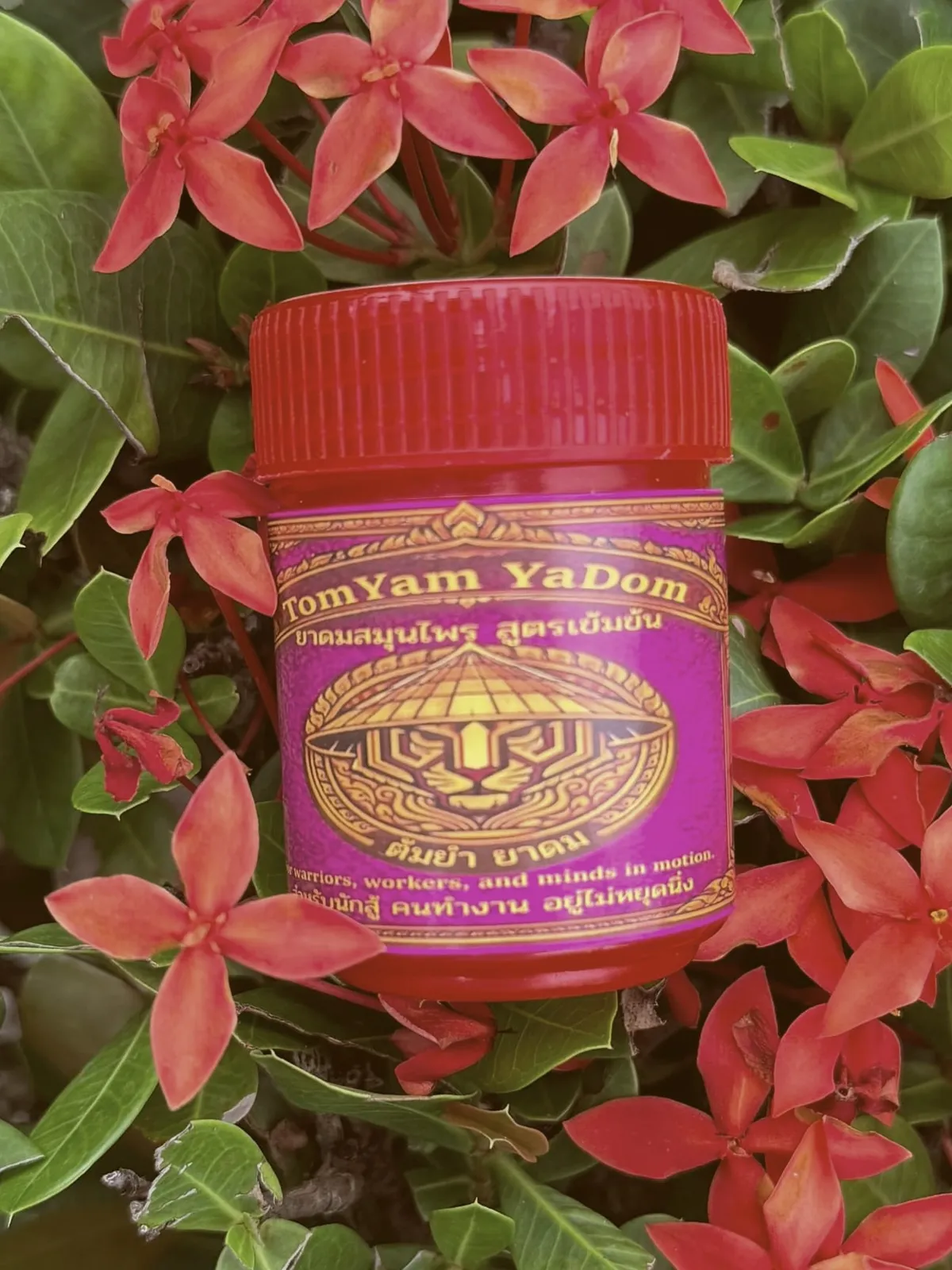 VitalityEnergy. Confidence. Drive.$20
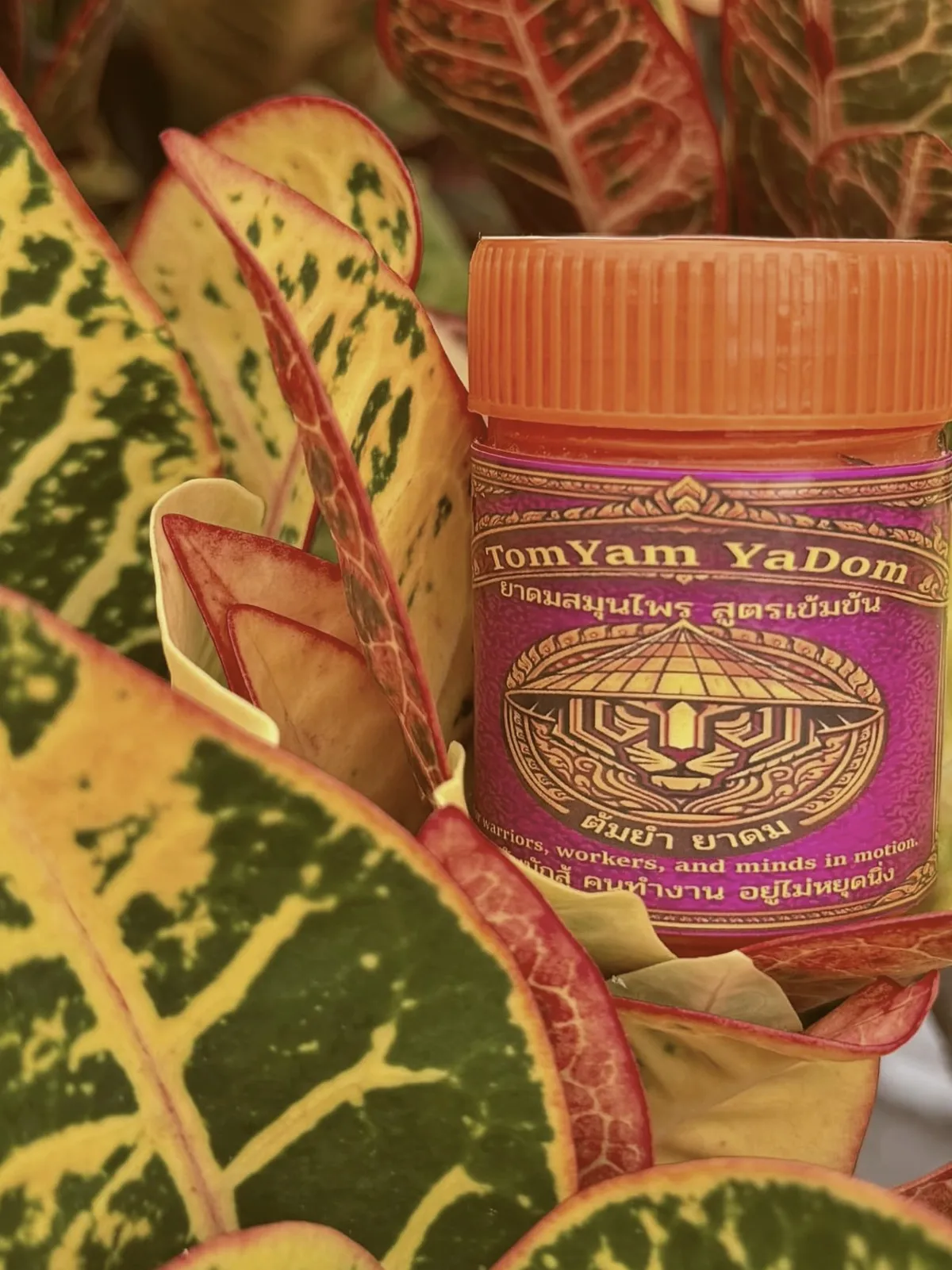 RadianceOptimism. Creativity. Brightness.$20
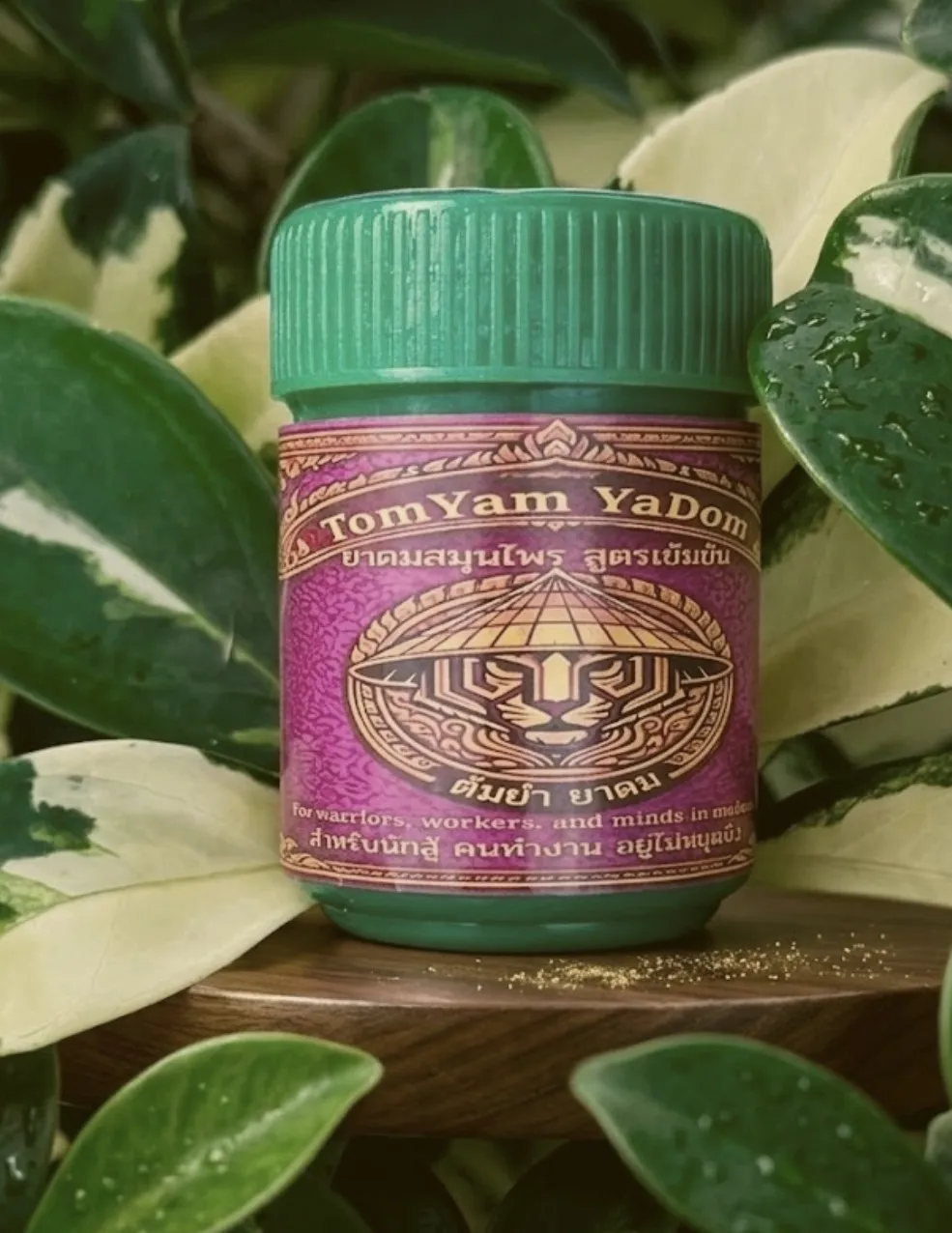 BalanceGround yourself. Come back to center.$20
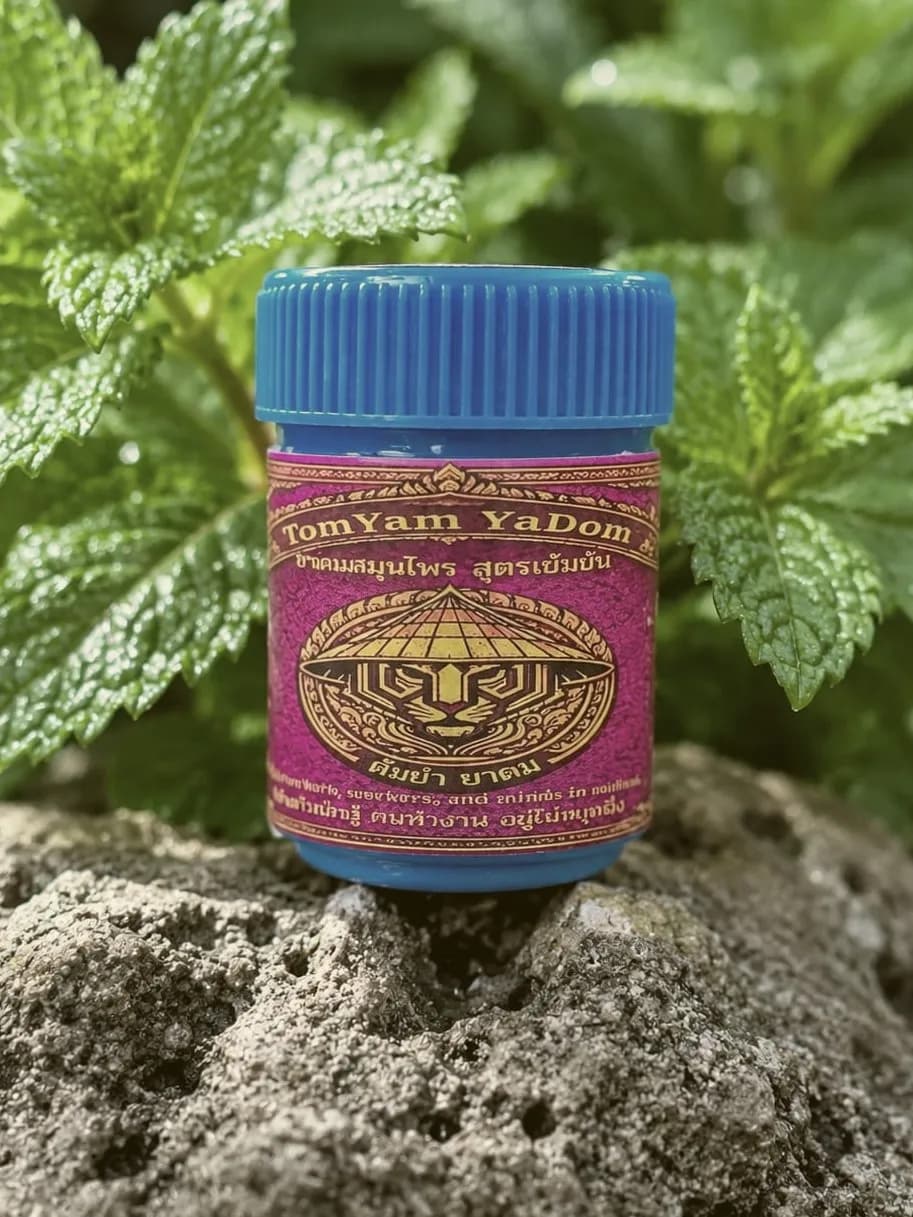 PowerThe morning hit. The pre-fight breath.$20
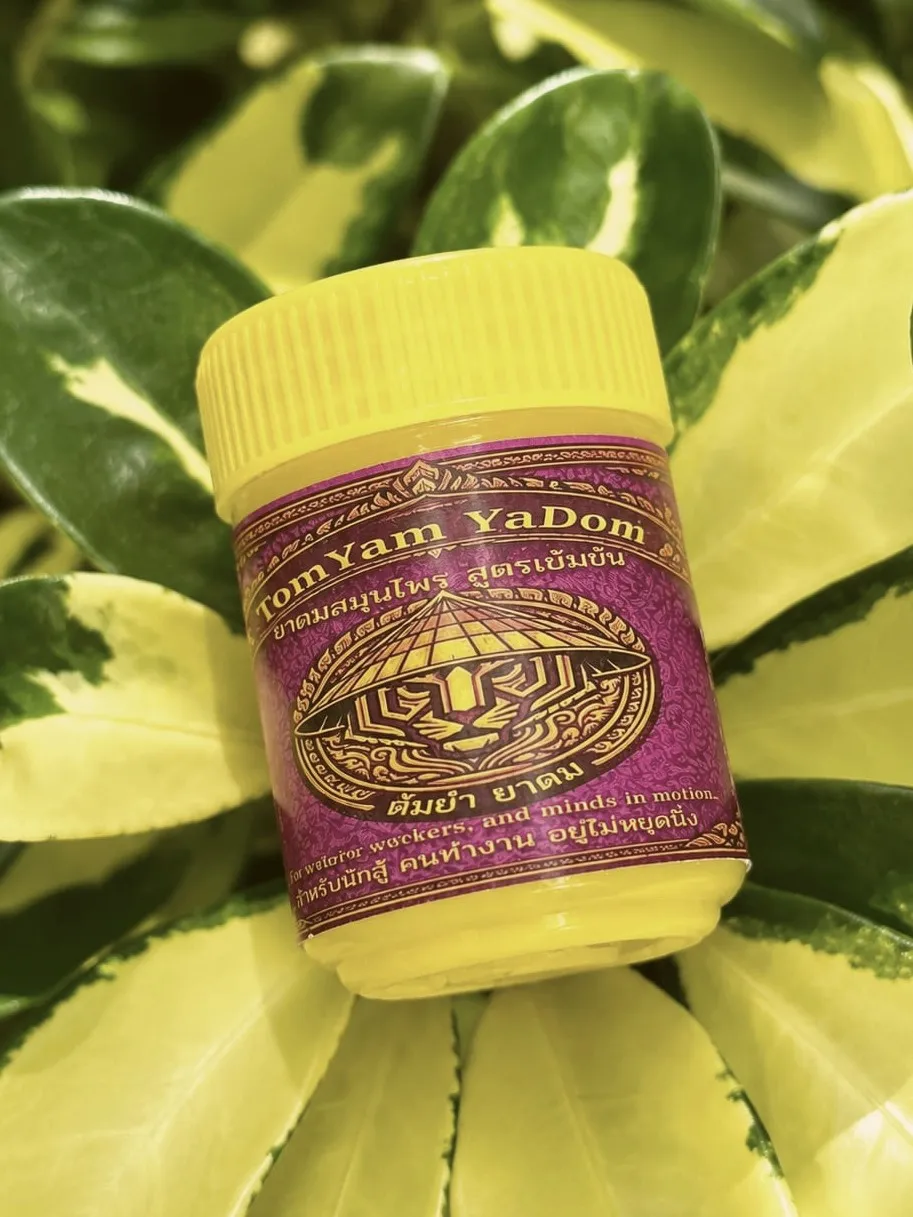 ClarityCool. Pure. Sharpen your focus.$20
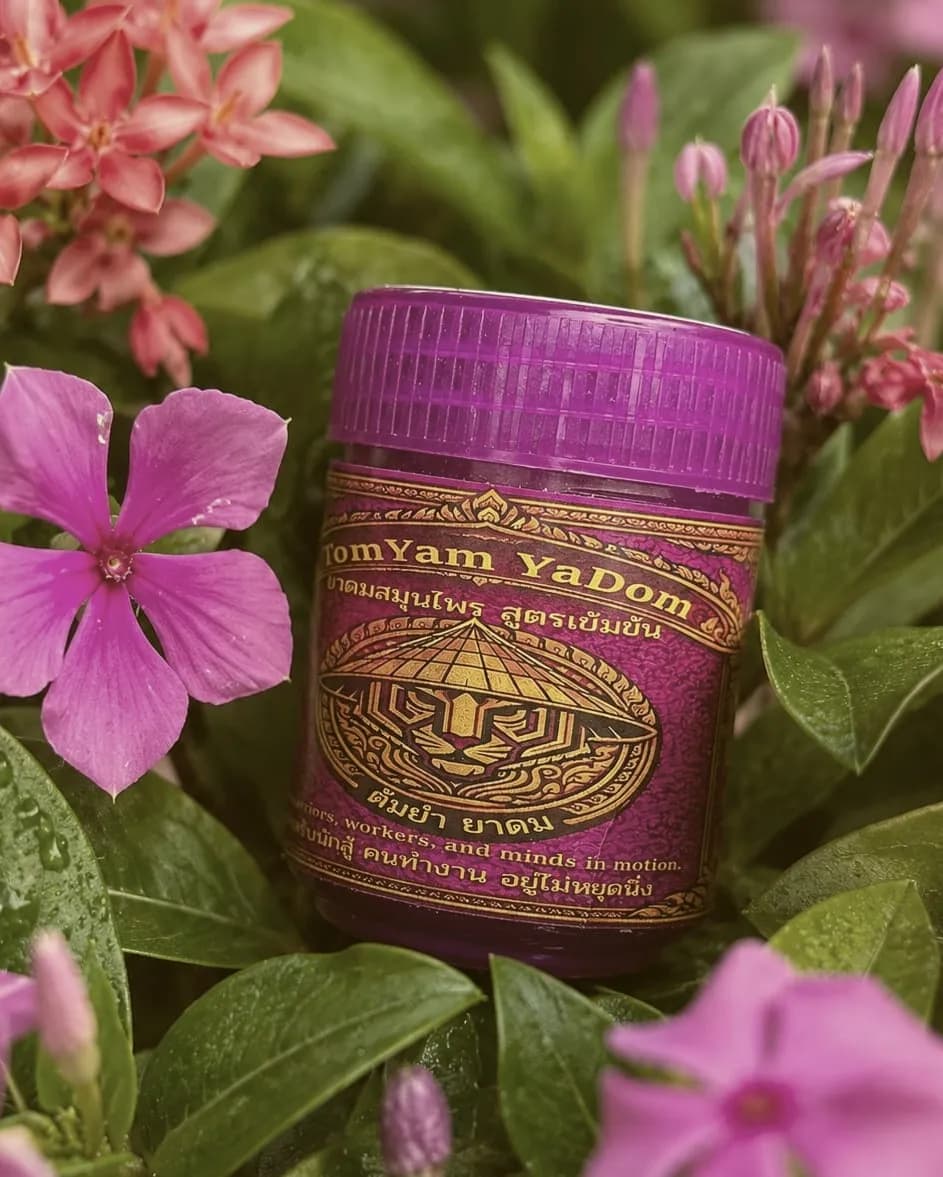 SerenityCalm the mind. Slow the breath.$20
 Morning RitualFor the hours you need to think.$54
 Evening RitualFor the end of the day.$54
 Travel RitualFor the car, the plane, the bag.$54
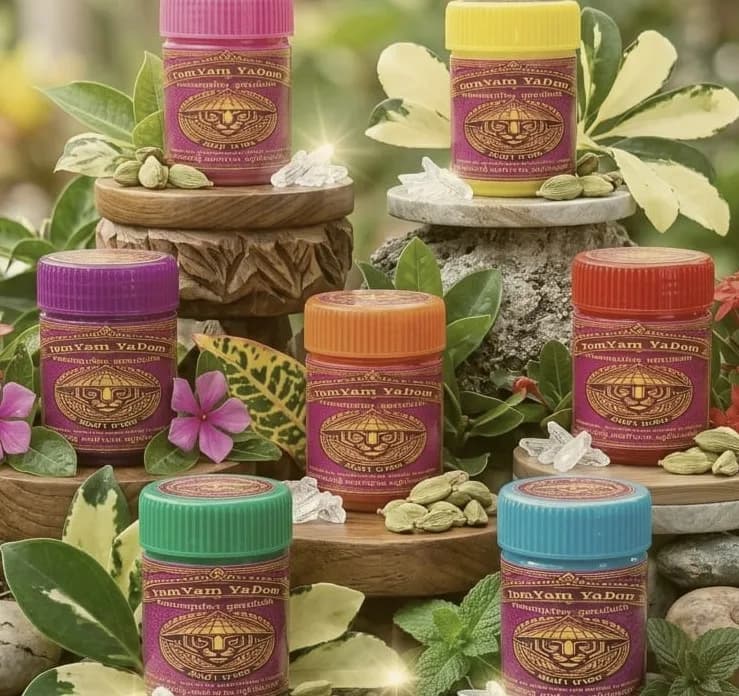 Complete Ritual SetYour complete Thai apothecary. All 7 signature scents plus Crown Blend Oil.$115
Want it on its own terms? Put Cloves in a blend you build yourself.
Common Questions
What do cloves smell like?
Cloves smell warm, sweet, and resinous, with a rounded spice that has real weight to it and a faint balsamic edge underneath. The scent is instantly familiar to most people because clove runs through baking, mulled drinks, and dental products alike. In a blend it registers less as a spice than as depth.
Why are cloves in a Thai herbal inhaler?
Cloves are one of the seven herbs in the samunprai base, the traditional foundation of a yadom, so they sit in every Smiling Tiger scent. Their job is balance: they add warmth and body underneath the cooling notes so the blend has somewhere to land. A yadom built only on menthol and camphor smells thin by comparison.
Are whole cloves and clove oil the same thing?
They come from the same bud but behave differently. Whole dried cloves release their aroma slowly and stay rounded, while clove oil is concentrated, more volatile, and much sharper at the front. We use the whole spice in the samunprai base because the slower release is what suits a blend you carry and breathe over weeks.
The historical and traditional information presented on this page is for educational and cultural interest only. Tom Yam Yadom products are not intended to diagnose, treat, cure, or prevent any disease or medical condition. Ingredient histories reflect traditional and cultural uses across various societies and are not claims about the properties of our products.