Allspice
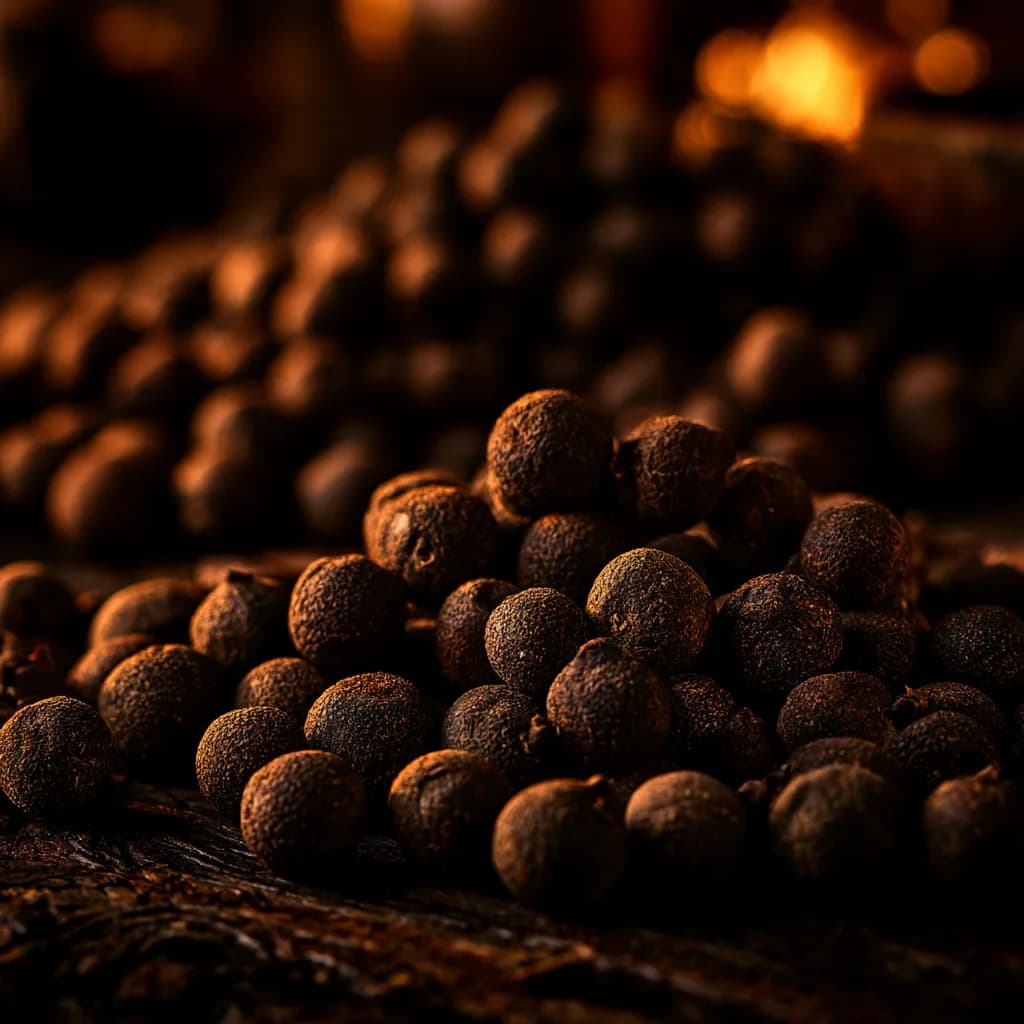
Allspice at a glance
- Botanical Name
- Pimenta dioica
- Family
- Myrtaceae
- Origin
- Jamaica, Central America, and the Caribbean
- Part Used
- Dried unripe berry
- Note Position
- Heart, rounded
Aroma Profile
Warm, rounded, and quietly complex. Allspice carries the soft glow of clove, the sweetness of cinnamon, and a faint nutmeg echo in a single berry: deep without heaviness, spicy without sharp heat. It opens a blend with comfort and finishes with a polished, lingering warmth that feels handcrafted rather than loud.
- Warm
- Rounded
- Sweet
- Peppery
- Smoky
- Deep
Historical Uses
Allspice (Pimenta dioica) is native to the Caribbean and Central America, where Indigenous communities of Jamaica and the surrounding region prized the dried berry long before European contact. Spanish explorers mistook it for a pepper relative, naming it pimienta, and by the 17th century allspice had entered Atlantic trade routes as a luxury seasoning. English cooks later coined the name allspice for its uncanny blend of familiar warm spices in one fruit. Across the colonial spice economy it traveled beside cinnamon, clove, and nutmeg into European kitchens, Caribbean jerk tradition, and Middle Eastern sweet spice blends. In modern Thai and Southeast Asian craft aromatics, allspice appears as a bridge ingredient: a warm, rounded berry note that sits comfortably beside galangal, pepper, and samunprai foundations without claiming the foreground.
Folklore & Trade
Allspice would not emigrate. Every colonial power that grew rich on Caribbean agriculture tried to move pimento into its other territories and it failed almost everywhere, because the seed germinates poorly unless it has passed through a bird, and plantations raised from planted seed came to nothing. Jamaica kept the trade by default rather than by policy. The tree matters there for a second reason: the Maroons, communities of escaped enslaved people who held the island's interior and forced the British into a treaty, cooked over pimento wood in the mountains, and the smoking method that came out of that period is the direct ancestor of Jamaican jerk. The wood, the leaf, and the berry all carry the same warmth.
Modern Uses
Allspice remains essential to Caribbean cuisine, baking, craft bitters, and fine fragrance accords that need warm spice without a single-note signature. In natural perfumery and artisanal herbal inhalers, it adds depth, sweetness, and a softly smoked berry warmth. In our Vitality blend it rounds brighter ginger and fruit notes into a confident, energizing composition with a polished finish.
From the Apothecary
Allspice is the ingredient that sounds like a shortcut and is not. The name suggests a blend of clove, cinnamon, and nutmeg, and it does smell like all three, but it is one berry from one tree and it holds those notes together in a way that mixing them never quite achieves. In Vitality it does the work of three spices without the clutter of three spices.
Pairs With
Smell It For Yourself
Allspice is in the Smiling Tiger blends below, hand-assembled in the USA and shipped from here.
 VitalityEnergy. Confidence. Drive.$20
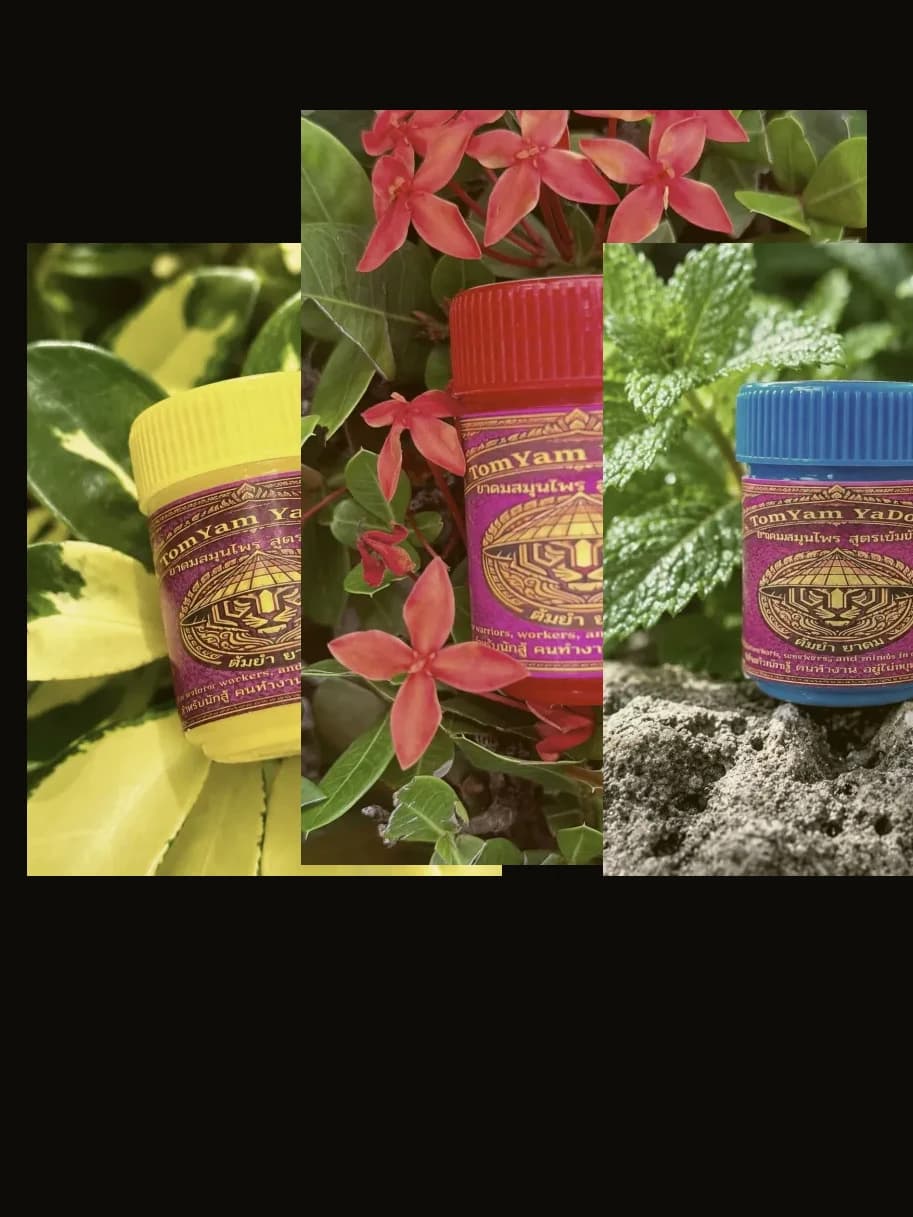 Morning RitualFor the hours you need to think.$54
 Complete Ritual SetYour complete Thai apothecary. All 7 signature scents plus Crown Blend Oil.$115
Want it on its own terms? Put Allspice in a blend you build yourself.
Common Questions
What does allspice smell like?
Allspice smells warm and rounded, carrying the glow of clove, the sweetness of cinnamon, and a faint nutmeg echo in a single berry. There is a soft smokiness underneath and a gentle peppery lift on top. It is deep without heaviness and spicy without sharp heat.
Is allspice a mixture of spices?
No. Allspice is the dried berry of one tree, Pimenta dioica, and the name describes how it smells rather than what it contains. English cooks coined it because the berry seemed to hold several familiar warm spices at once. Nothing is blended to make it.
Which blend uses allspice?
Allspice is in Vitality, where it rounds the brighter Thai ginger and Fuji pear into something warmer and more finished. It is not one of the seven base herbs. You can add it to a custom blend in the builder.
The historical and traditional information presented on this page is for educational and cultural interest only. Tom Yam Yadom products are not intended to diagnose, treat, cure, or prevent any disease or medical condition. Ingredient histories reflect traditional and cultural uses across various societies and are not claims about the properties of our products.