Cinnamon
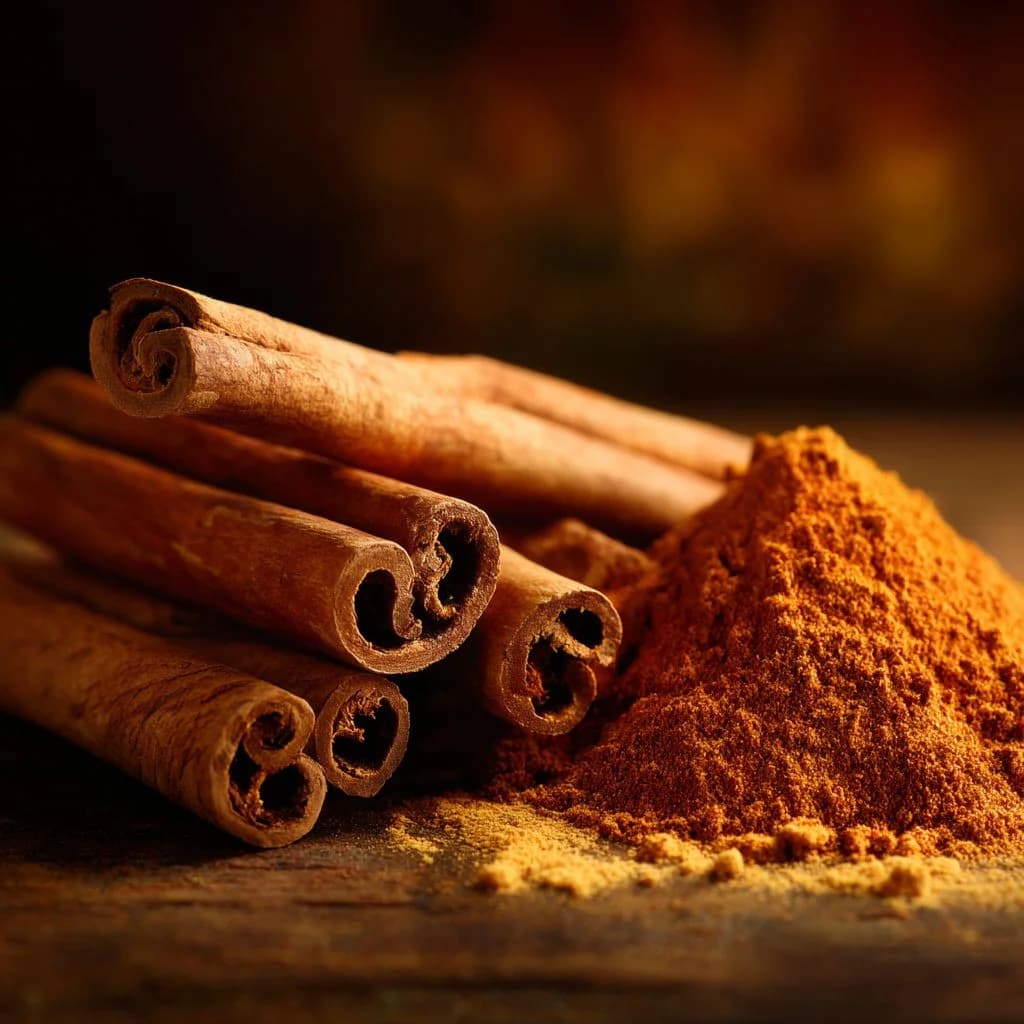
Cinnamon at a glance
- Botanical Name
- Cinnamomum verum
- Family
- Lauraceae
- Thai Name
- อบเชย (op choei)
- Origin
- Sri Lanka
- Part Used
- Inner bark
- Note Position
- Heart, settling low
Aroma Profile
Warm, sweet-spiced, and slightly woody. Cinnamon is one of the most immediately recognizable aromas in the world: comforting, round, and deeply familiar, with a lingering sweetness that grounds a blend.
- Warm
- Sweet
- Woody
- Comforting
- Dry
- Rounded
Historical Uses
Cinnamon is among the oldest known spices in human history. True cinnamon (Cinnamomum verum) is native to Sri Lanka and was traded to Egypt, the Arab world, and China thousands of years ago. It appears in ancient Egyptian records, in the Hebrew Bible, in Greek and Roman texts, and in the earliest Sanskrit writings on spice. The Portuguese, Dutch, and British all fought for control of cinnamon trade routes, making it one of the most geopolitically significant spices of the early modern era. In Southeast Asian cooking, cassia (a close relative) is a foundational spice in dishes like pho, massaman curry, and char siu. Culinarily, cinnamon has shaped the flavor of baking, confectionery, and spiced drinks across virtually every culture that had access to it.
Folklore & Trade
For centuries nobody in Europe knew where cinnamon came from, and the traders who did know worked hard to keep it that way. Herodotus recorded the going explanation in the fifth century BCE: giant birds gathered the sticks to build nests on unreachable cliffs, and collectors lured them down by leaving out heavy joints of meat that broke the nests when the birds carried them up. The story is almost certainly a piece of deliberate misdirection by Arab middlemen, and it worked for a very long time, keeping both the price and the source secure. The truth was less cinematic. It was bark, peeled by hand from a tree in Sri Lanka, rolled into quills while still pliable by workers whose skill was hereditary and, under Dutch rule, compulsory.
Modern Uses
Cinnamon remains a universal culinary spice and a key ingredient in natural perfumery, where its warmth and sweetness add body and familiarity to a blend. In herbal inhalers, cinnamon contributes a comforting depth that rounds sharper cooling notes. In our Vitality blend it sits beneath the Thai ginger and allspice, giving the spice a floor to stand on rather than a note of its own.
From the Apothecary
Cinnamon is the most familiar smell in the apothecary and that is both its strength and its trap. Everyone recognises it instantly, which buys goodwill, and everyone also has a childhood attached to it, which means a heavy hand turns a blend into a holiday candle. We use it as a grounding note rather than a feature. Its job is to make the cooling herbs feel like they belong to something warm.
Pairs With
Smell It For Yourself
Cinnamon is in the Smiling Tiger blends below, hand-assembled in the USA and shipped from here.
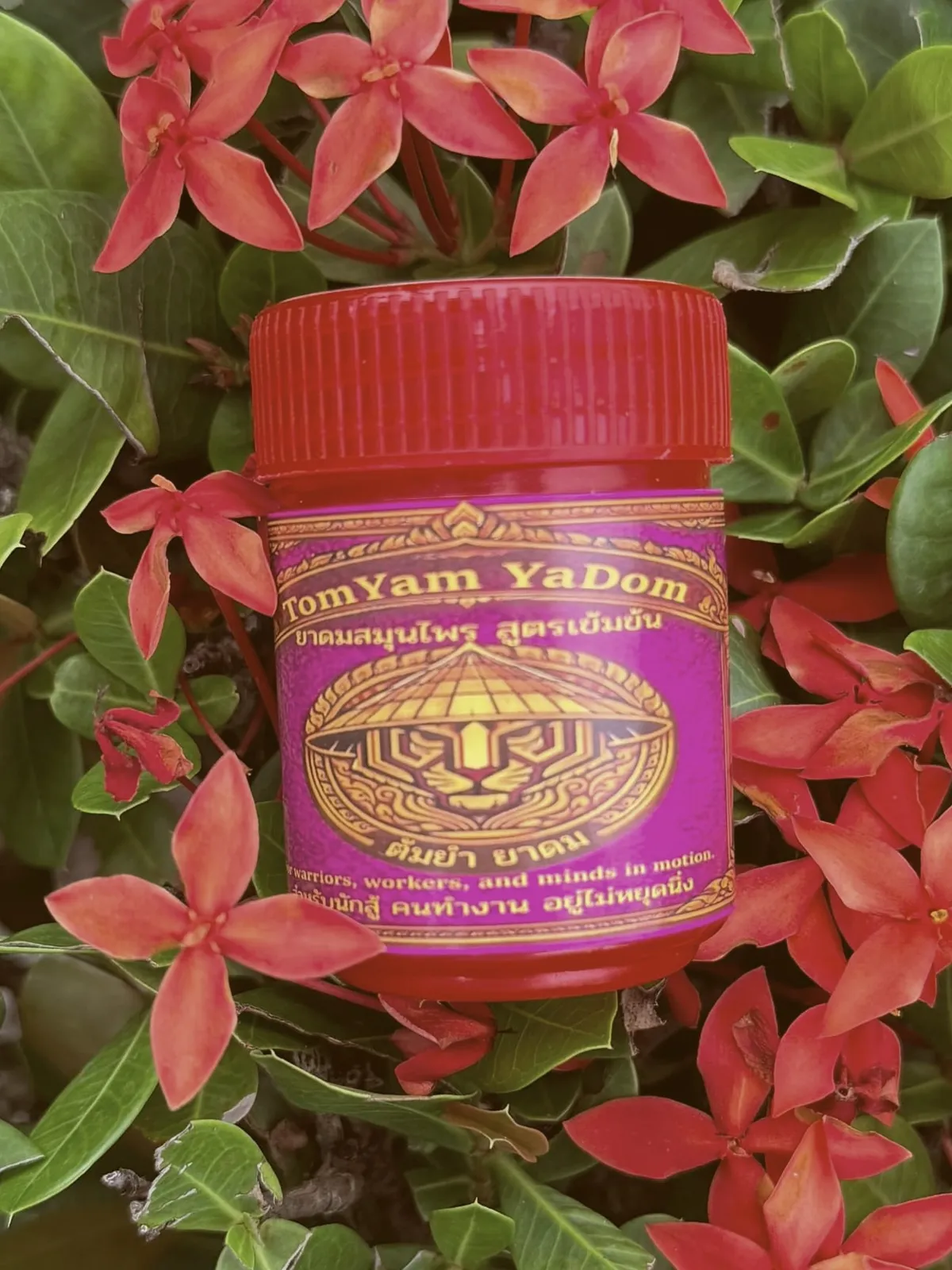 VitalityEnergy. Confidence. Drive.$20
 Morning RitualFor the hours you need to think.$54
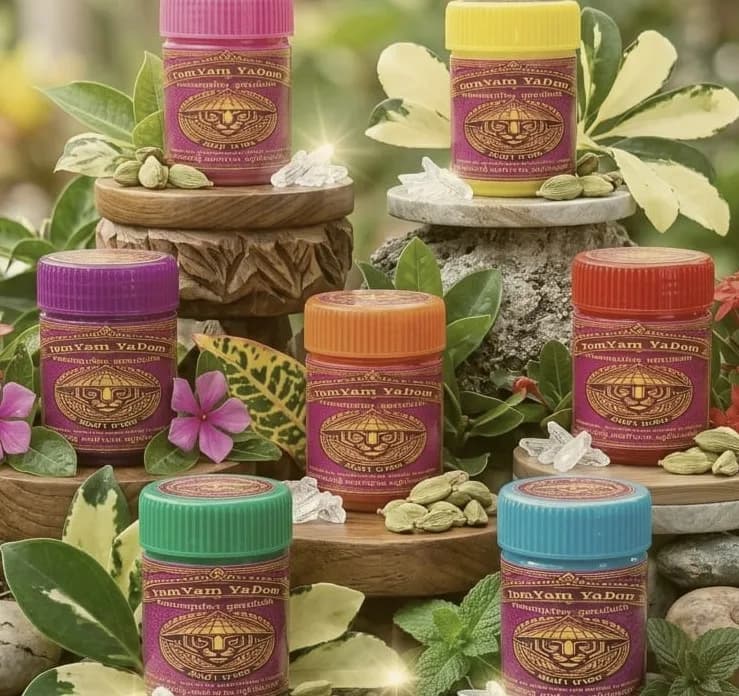 Complete Ritual SetYour complete Thai apothecary. All 7 signature scents plus Crown Blend Oil.$115
Want it on its own terms? Put Cinnamon in a blend you build yourself.
Common Questions
What does cinnamon smell like?
Cinnamon smells warm, sweet, and lightly woody, with a dry comfort that most people recognise before they can name it. True cinnamon is more delicate and more floral than the cassia sold as cinnamon in much of the world. In a blend it registers as depth and familiarity rather than as spice.
What is the difference between cinnamon and cassia?
They are different trees. True cinnamon, Cinnamomum verum from Sri Lanka, is pale, brittle, and delicately sweet, while cassia is darker, thicker, and much bolder. Most supermarket cinnamon is cassia. Southeast Asian cooking uses cassia freely and both belong to the same aromatic family, but they are not interchangeable in a blend.
Which blend uses cinnamon?
Cinnamon is in Vitality, where it sits under the Thai ginger and allspice and gives the blend its warm, familiar floor. It is not one of the seven base herbs. The concentrated cinnamon oil is a different material and appears in Power and the Crown Blend. You can also add cinnamon to a custom blend in the builder.
The historical and traditional information presented on this page is for educational and cultural interest only. Tom Yam Yadom products are not intended to diagnose, treat, cure, or prevent any disease or medical condition. Ingredient histories reflect traditional and cultural uses across various societies and are not claims about the properties of our products.