Fuji Pear Tea
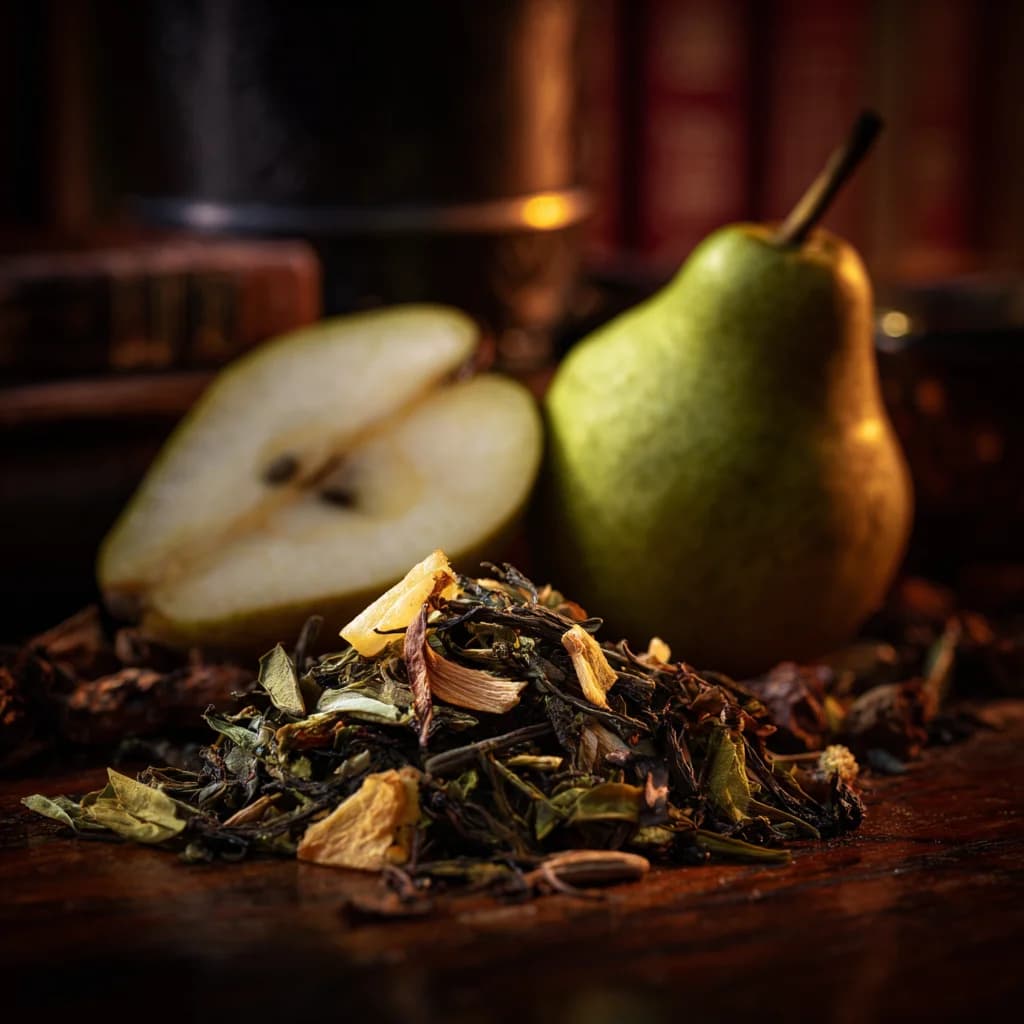
Fuji Pear Tea at a glance
- Botanical Name
- Pyrus pyrifolia
- Family
- Rosaceae
- Origin
- East Asia
- Part Used
- Fruit, blended with tea
- Note Position
- Top, soft
Aroma Profile
Clean, soft, and gently sweet. Fuji pear tea brings a delicate, watery fruit note to a blend: light and refined, with a quiet sweetness that feels fresh rather than sugary. It is one of the most understated aromatics in the palette, sitting softly in a composition and adding an approachable, airy quality without ever demanding the foreground.
- Clean
- Soft
- Sweet
- Watery
- Light
- Fresh
Historical Uses
Pears have been cultivated in China for over 3,000 years, making them one of the oldest continuously farmed fruits in East Asian history. In classical Chinese culture, the pear (li) carries layered symbolism: its white blossom is associated with purity and early spring, and pear trees appear frequently in classical poetry as images of quiet beauty and seasonal change. Pear cultivation spread westward from China along the ancient trade routes through Central Asia and into Persia, the Arab world, and eventually Europe, where both the fruit and its cultivation traditions took root across the Mediterranean and beyond. In East Asian culinary tradition, pear has been used not only as a fresh fruit but as an ingredient in teas, desserts, and medicinal preparations for centuries. In Chinese and Korean cooking, pear is used as a natural sweetener and tenderizer in marinades, and pear-based drinks have been made for generations. The tradition of blending fruit with tea is deeply embedded in East Asian tea culture, where fruit teas and infusions have been enjoyed since antiquity. The fruit itself is the Asian pear, Pyrus pyrifolia, known as nashi in Japan and bae in Korea: round rather than tapered, crisp instead of buttery, and closer in texture to an apple than to the European pear. Orchards commonly bag each fruit individually on the branch to protect the skin, which is part of why a good one is sold as a gift rather than by the kilo. Fuji pear tea draws on that clean, sweet, high water character, set within the long East Asian tradition of fruit tea blending. In Japanese tea culture, the pairing of delicate fruit notes with green or white tea bases reflects a broader aesthetic of finding quiet complexity in subtle flavors: the same sensibility that shapes Japanese cuisine, ceramics, and garden design.
Folklore & Trade
In Korea the Asian pear is not really a dessert. Bae goes into the marinade for bulgogi and galbi, grated raw, where it tenderises the meat and sweetens it at the same time, and it is one of the fruits set on the table at jesa, the rites for ancestors. For that purpose it is prepared to a specific form: peeled, and the top and bottom cut flat so the fruit stands squarely on the plate, sometimes with the corners squared off as well. The same pear is a marinade ingredient on a weeknight and a ritual object at a memorial, and Korean households buy the good ones in boxes as formal gifts at Chuseok, individually wrapped, priced like something considerably more serious than fruit.
Modern Uses
Fuji pear tea appears in specialty tea blending, artisan confectionery, craft flavor work, and natural aromatics. Its clean, soft sweetness makes it a versatile addition to compositions where a light fruit note is needed without the sharpness of citrus or the heaviness of tropical fruit. In an aromatic blend, it contributes a quiet brightness and approachability that makes a composition feel fresh and inviting from the first breath.
From the Apothecary
Fuji pear is the least assertive thing in the apothecary and we keep it for exactly that reason. It contributes almost nothing you could name and it changes the whole feel of a blend, taking the hard edges off and making a composition read as approachable instead of technical. Vitality is a sharp blend, all galangal and allspice, and this is the ingredient that makes it welcoming rather than merely effective.
Pairs With
Smell It For Yourself
Fuji Pear Tea is in the Smiling Tiger blends below, hand-assembled in the USA and shipped from here.
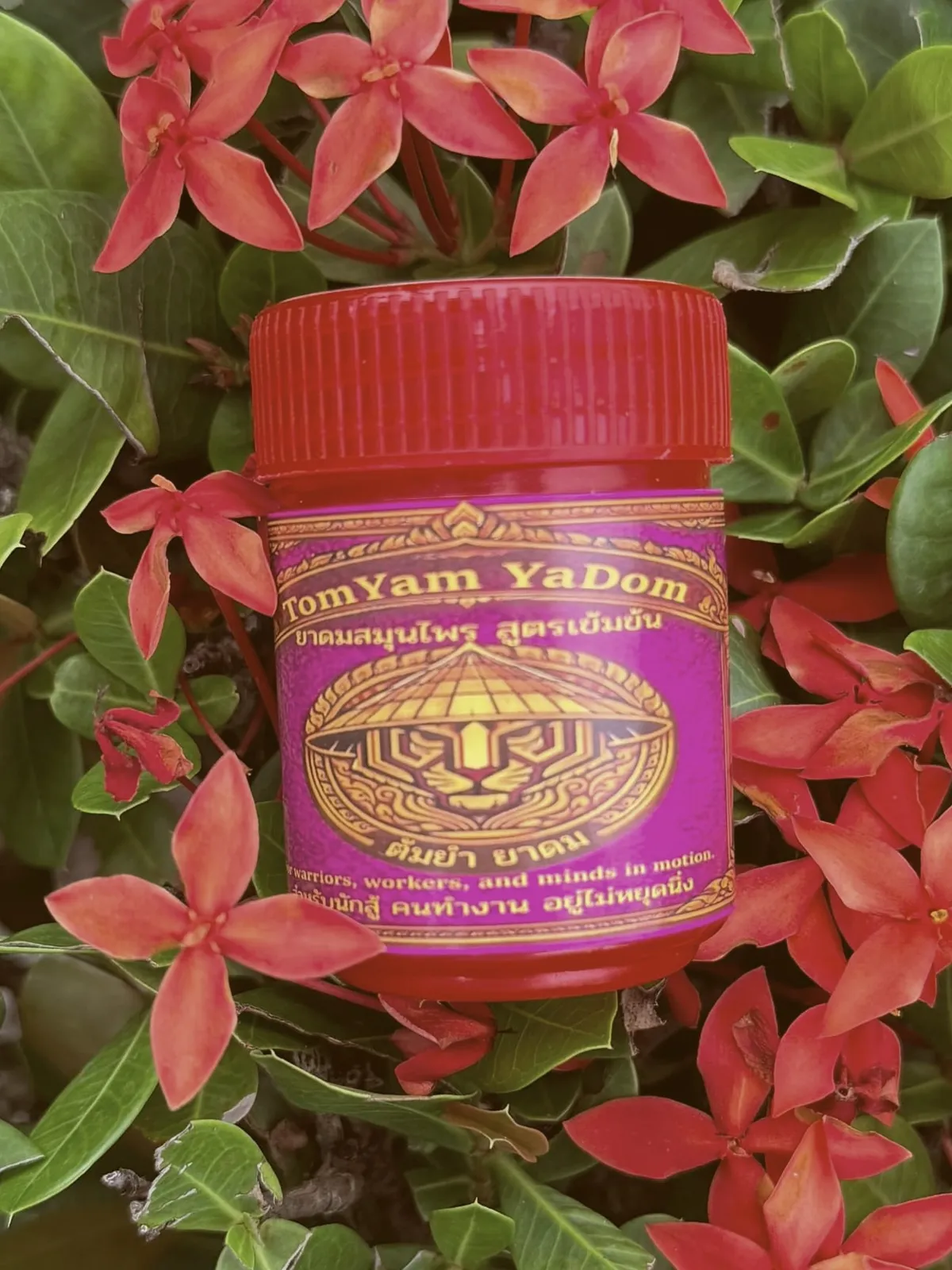 VitalityEnergy. Confidence. Drive.$20
 Morning RitualFor the hours you need to think.$54
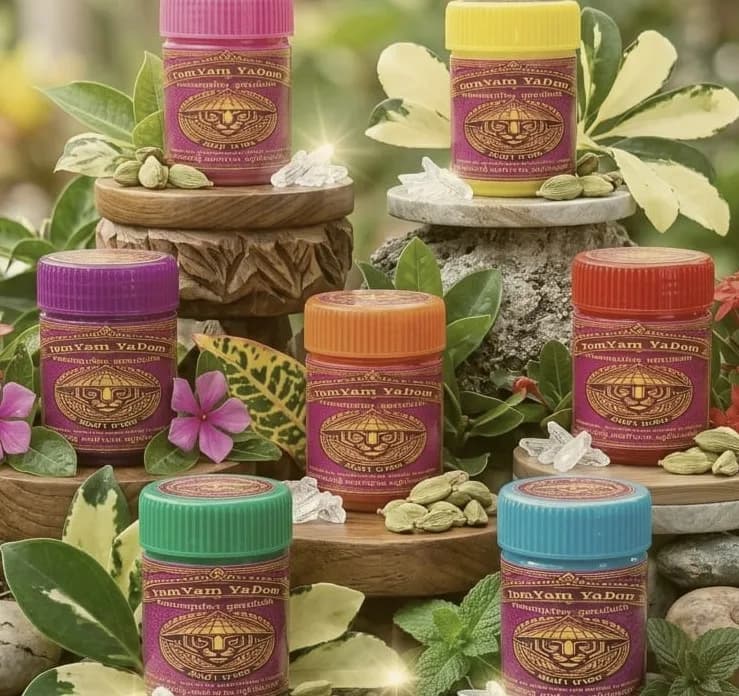 Complete Ritual SetYour complete Thai apothecary. All 7 signature scents plus Crown Blend Oil.$115
Want it on its own terms? Put Fuji Pear Tea in a blend you build yourself.
Common Questions
What does Fuji pear smell like?
Fuji pear smells clean, soft, and gently sweet, with a light watery fruit character that never turns sugary. It is among the most understated aromatics available and sits quietly in a composition. The impression is of freshness and air rather than of fruit.
Is an Asian pear the same as a European pear?
No. Asian pears are Pyrus pyrifolia, round, crisp, and high in water, closer to an apple in texture and eaten firm, while European pears are Pyrus communis, tapered and buttery and eaten soft. The aroma differs too: Asian pear is cleaner and lighter, with none of the honeyed density of a ripe European pear.
Which blend uses Fuji pear tea?
Fuji pear tea is in Vitality, where it softens the sharp Thai ginger and warm allspice so the blend stays approachable. It is not one of the seven base herbs. You can add it to a custom blend in the builder.
The historical and traditional information presented on this page is for educational and cultural interest only. Tom Yam Yadom products are not intended to diagnose, treat, cure, or prevent any disease or medical condition. Ingredient histories reflect traditional and cultural uses across various societies and are not claims about the properties of our products.