Borneol
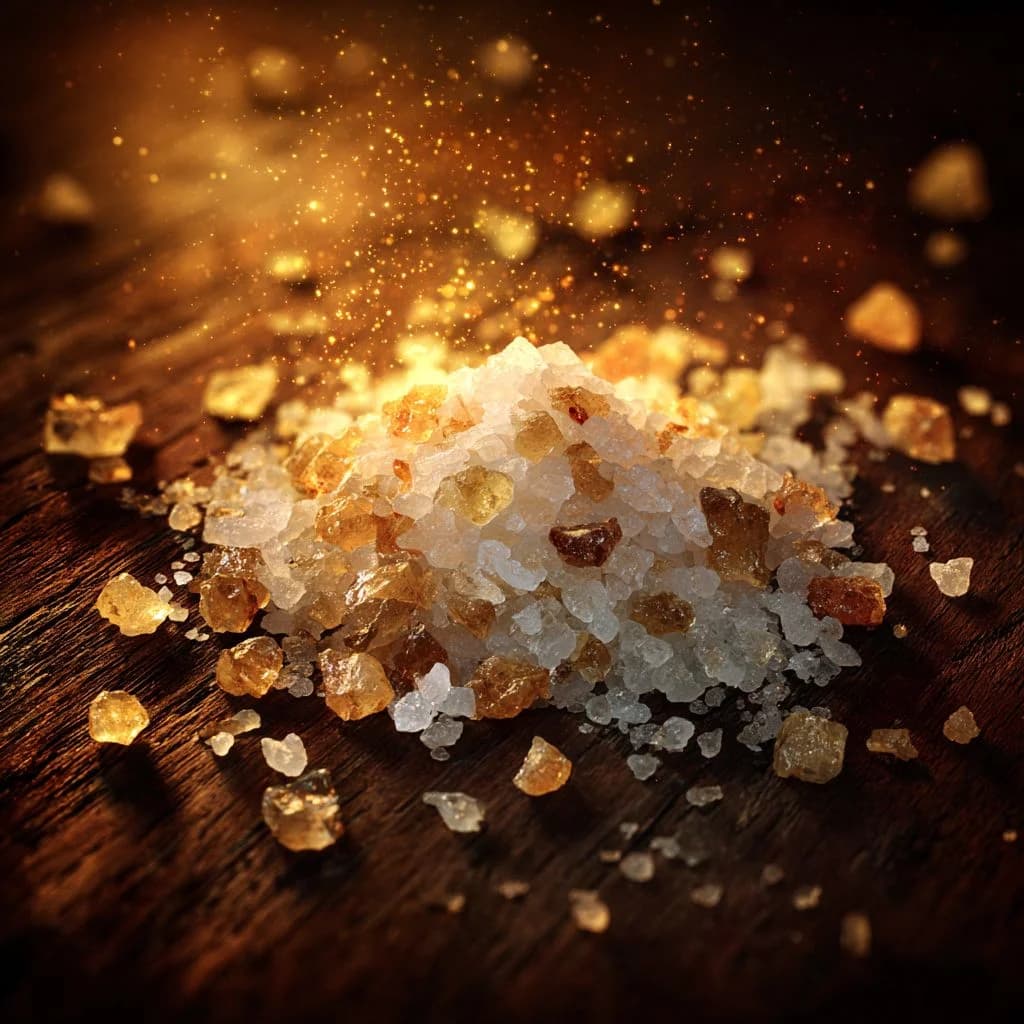
Borneol at a glance
- Botanical Name
- Dryobalanops aromatica
- Family
- Dipterocarpaceae
- Thai Name
- พิมเสน (phimsen)
- Origin
- Borneo and Sumatra
- Part Used
- Crystallised resin from the trunk
- Note Position
- Top, with a resinous trail
Aroma Profile
Soft, cooling, and resinous. Borneol is camphor-adjacent but rounder and more refined, with a cool clarity that feels cleaner and less sharp, and a subtle woody depth that grounds it.
- Camphoraceous
- Resinous
- Cool
- Woody
- Mineral
- Clean
Historical Uses
Borneol is one of the most prized aromatic substances in classical Asian medicine. Historically harvested from the resin of Dryobalanops aromatica, a tree native to Borneo and Sumatra, it formed fragrant pale crystals that were among the most valued trade goods in the ancient maritime routes of Southeast Asia. In classical Chinese medicine it is known as bing pian and was considered a precious ingredient, associated with clarifying the senses and awakening the mind. It appears in the oldest Chinese pharmacopoeias and was traded westward along the spice routes to the Arab world, where it was known and valued by medieval scholars. In Thai and Southeast Asian herbal traditions, borneol is a native ingredient with deep roots in aromatic preparations, inhalants, and compresses.
Folklore & Trade
Chinese traders knew borneol as long nao xiang, dragon brain perfume, and the name survives in the classical pharmacopoeias. The crystals form in fissures inside a living tree, and a mature Dryobalanops might give up only a handful of them, so the resin moved along the maritime routes packed like precious metal and was recorded in court inventories rather than market ledgers. Harvesters in Borneo kept the locations of productive trees inside families for generations, and ethnographers documented a separate vocabulary the collecting parties used in the forest, a spoken code that kept the groves out of reach of outside buyers.
Modern Uses
Genuine botanical borneol signals a premium, traditional approach to aromatic blending. It is used in high-quality natural perfumery and in traditional herbal preparations across Asia. In an inhaler blend, borneol contributes a cool, resinous clarity that layers beautifully with camphor and menthol without duplicating them, and it is precisely this quality that makes it the signature focus ingredient in our Clarity blend.
From the Apothecary
Borneol is the ingredient we would defend hardest if someone told us to cut costs. The synthetic version is everywhere, and it smells like a photocopy: all cold, no depth. Real crystals look like frost on a window when they come out of the jar, and they carry a woody quiet underneath the cool that tells you something grew this. It is the reason Clarity smells composed rather than merely sharp.
Pairs With
Smell It For Yourself
Borneol is in the Smiling Tiger blends below, hand-assembled in the USA and shipped from here.
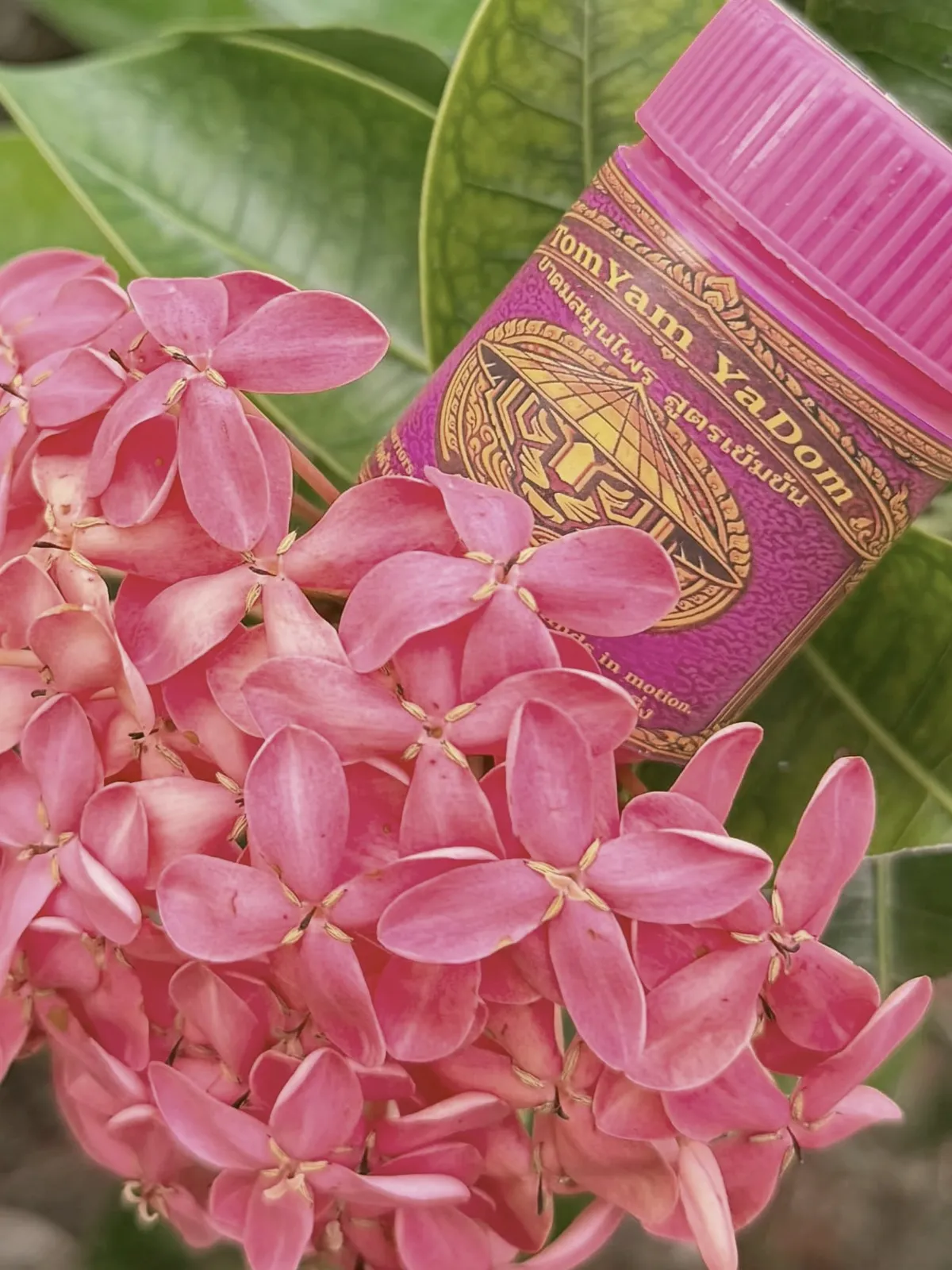 CompassionLift your mood. Open your heart.$20
 VitalityEnergy. Confidence. Drive.$20
 RadianceOptimism. Creativity. Brightness.$20
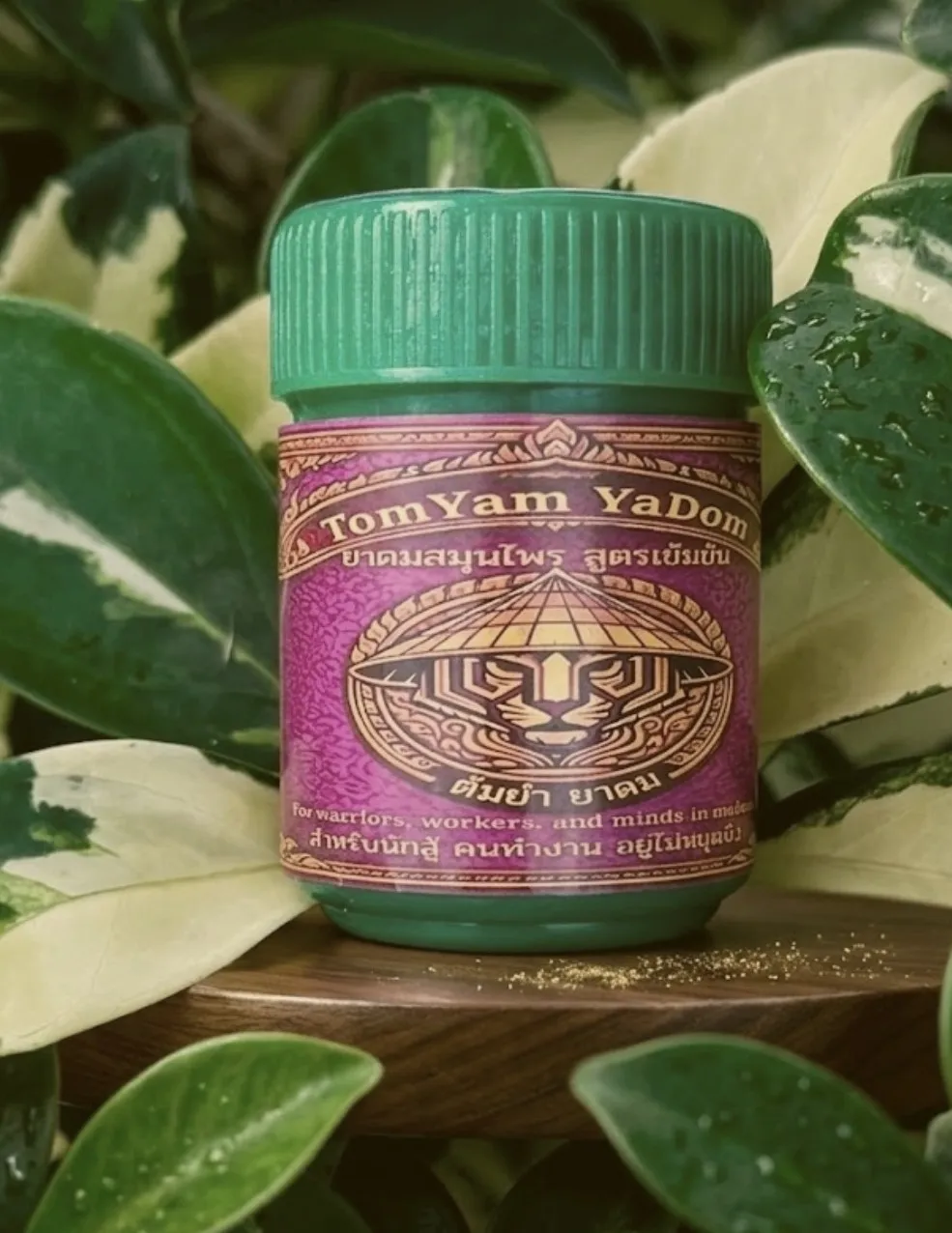 BalanceGround yourself. Come back to center.$20
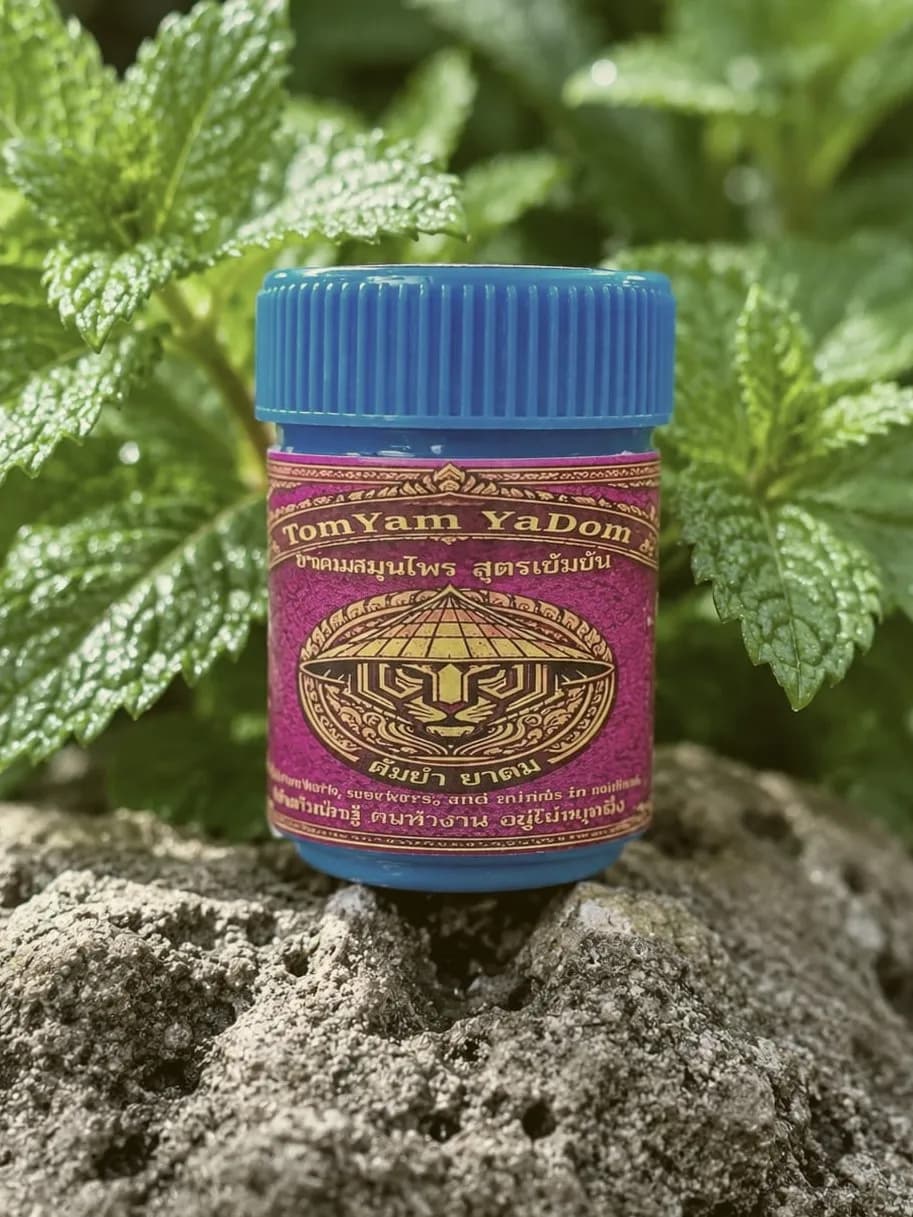 PowerThe morning hit. The pre-fight breath.$20
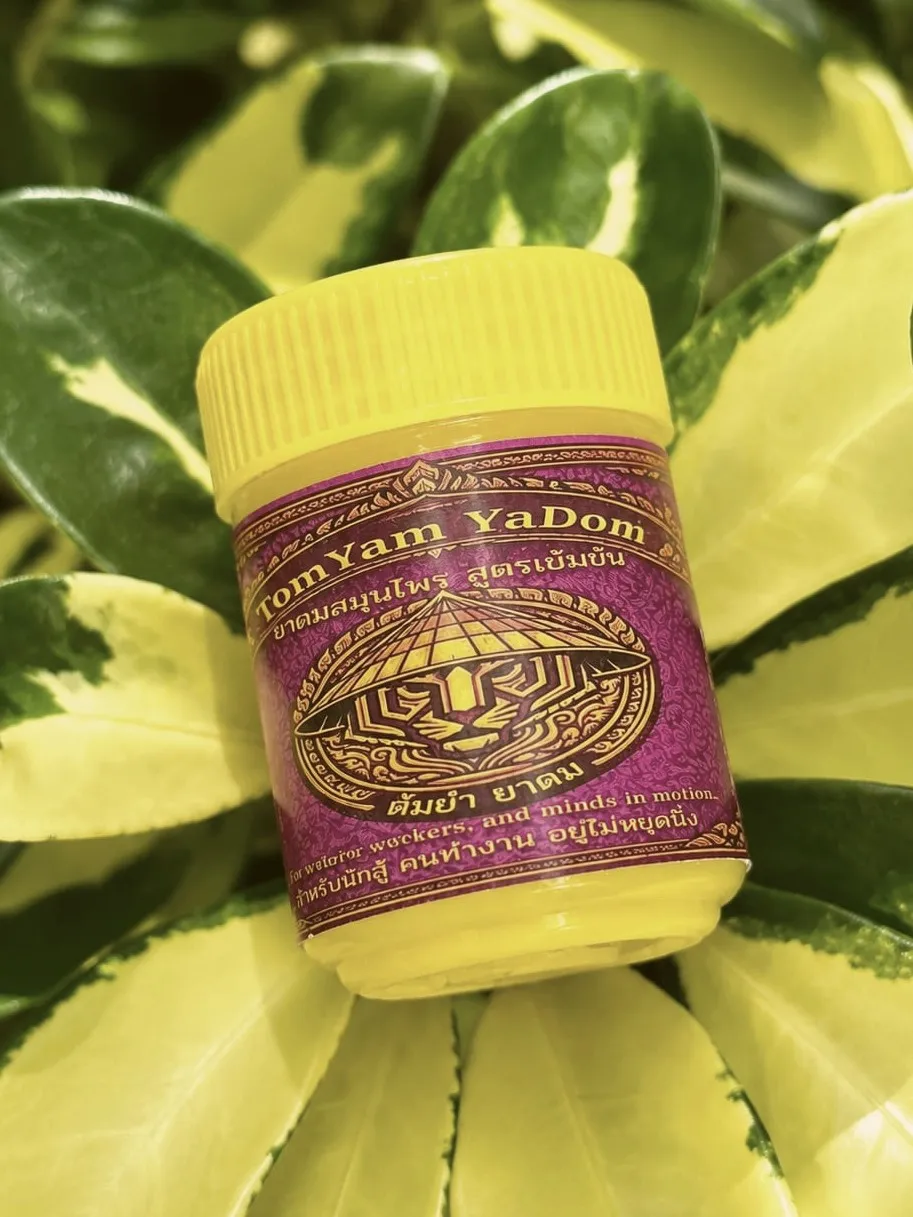 ClarityCool. Pure. Sharpen your focus.$20
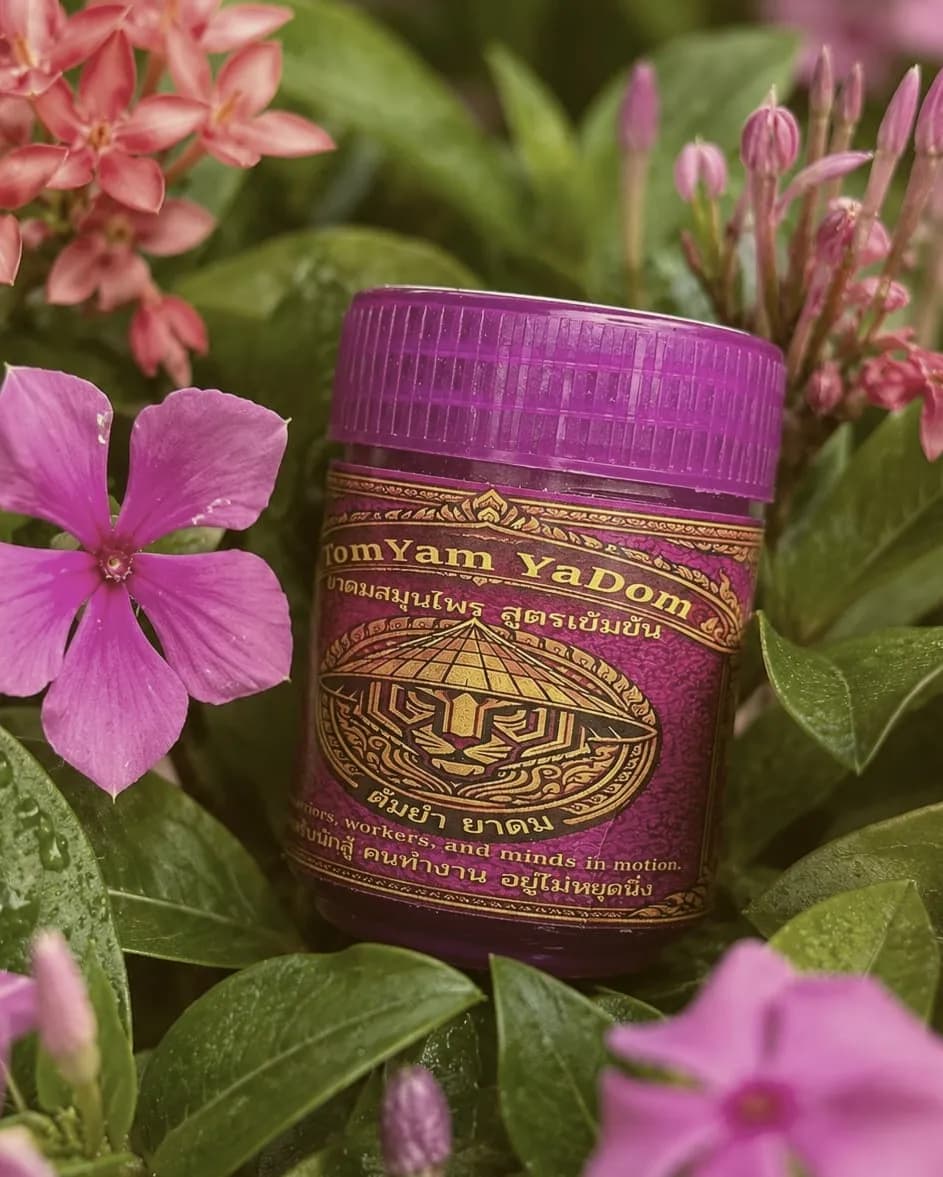 SerenityCalm the mind. Slow the breath.$20
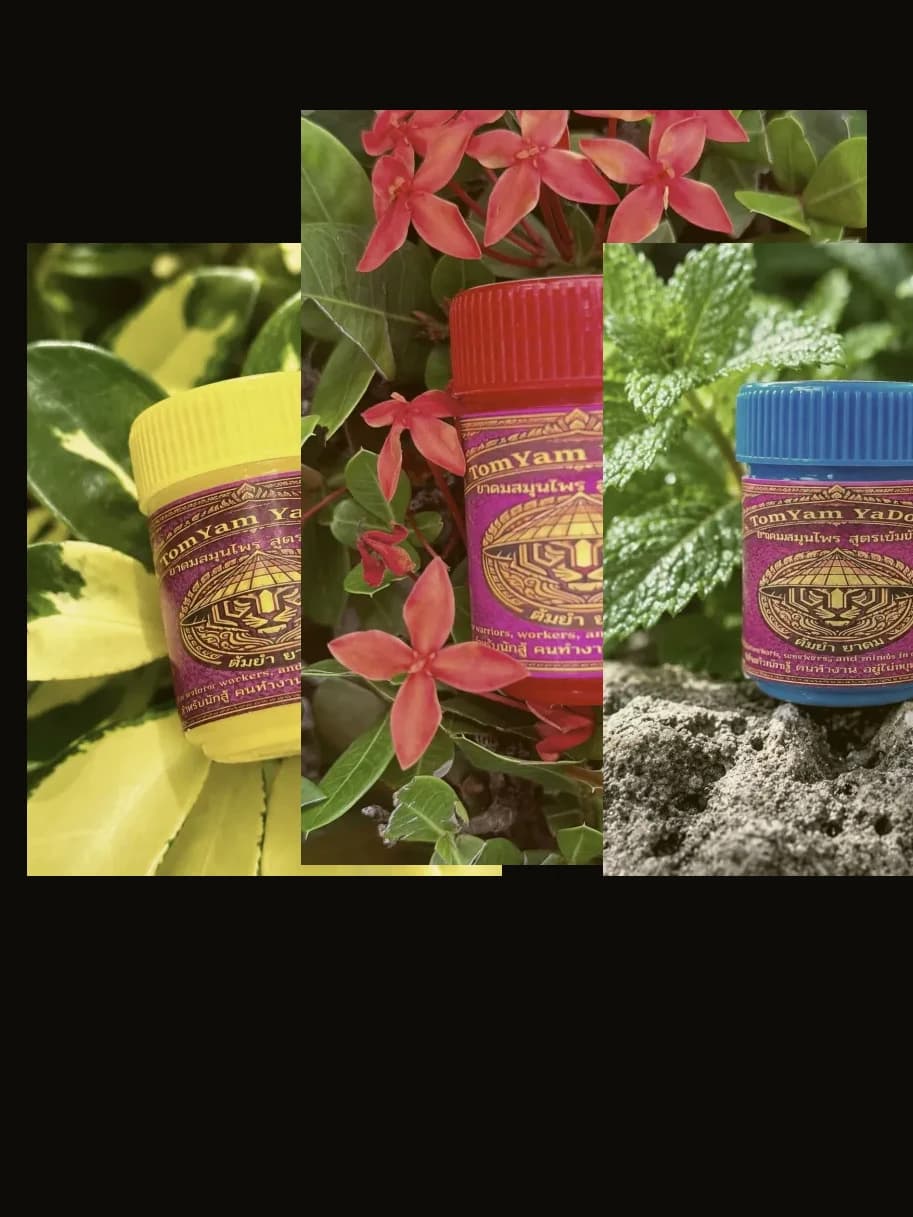 Morning RitualFor the hours you need to think.$54
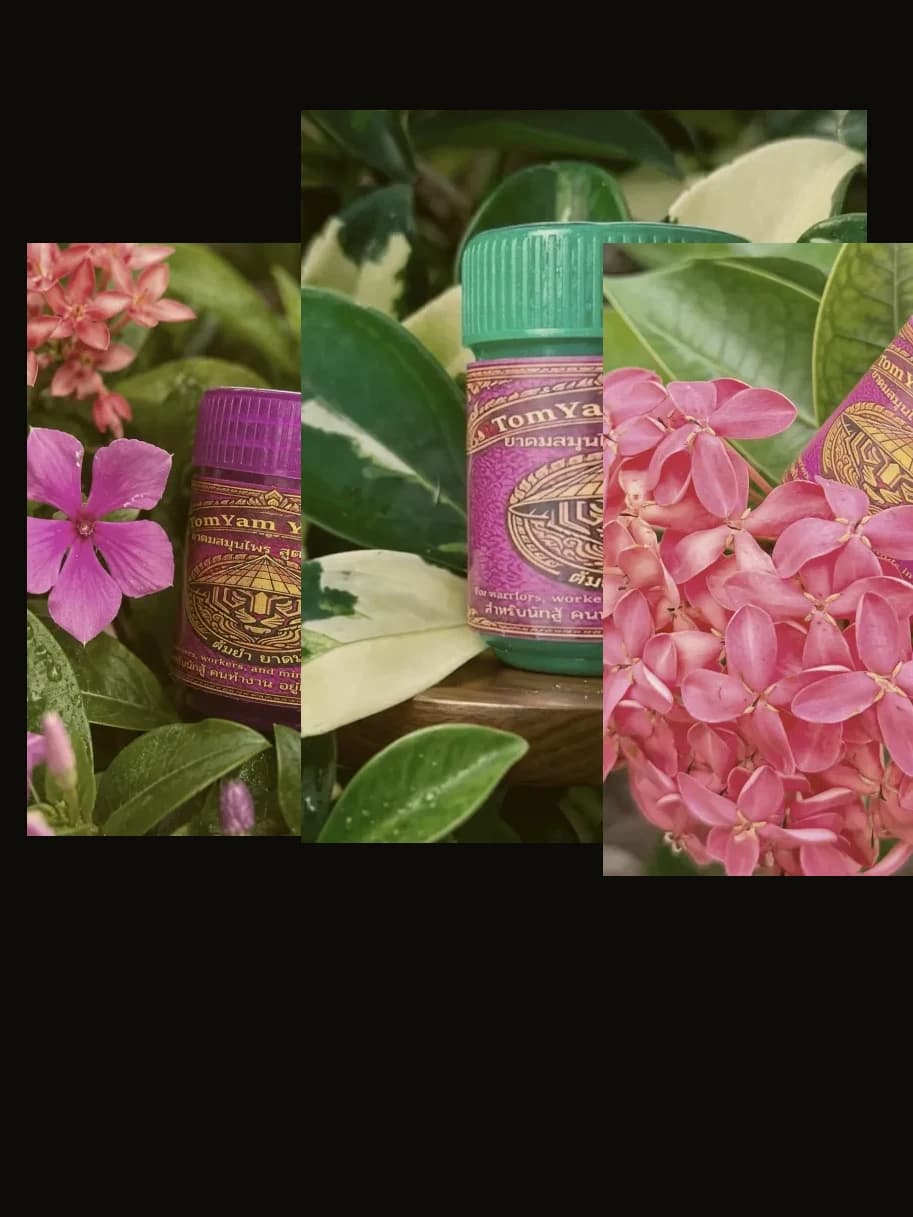 Evening RitualFor the end of the day.$54
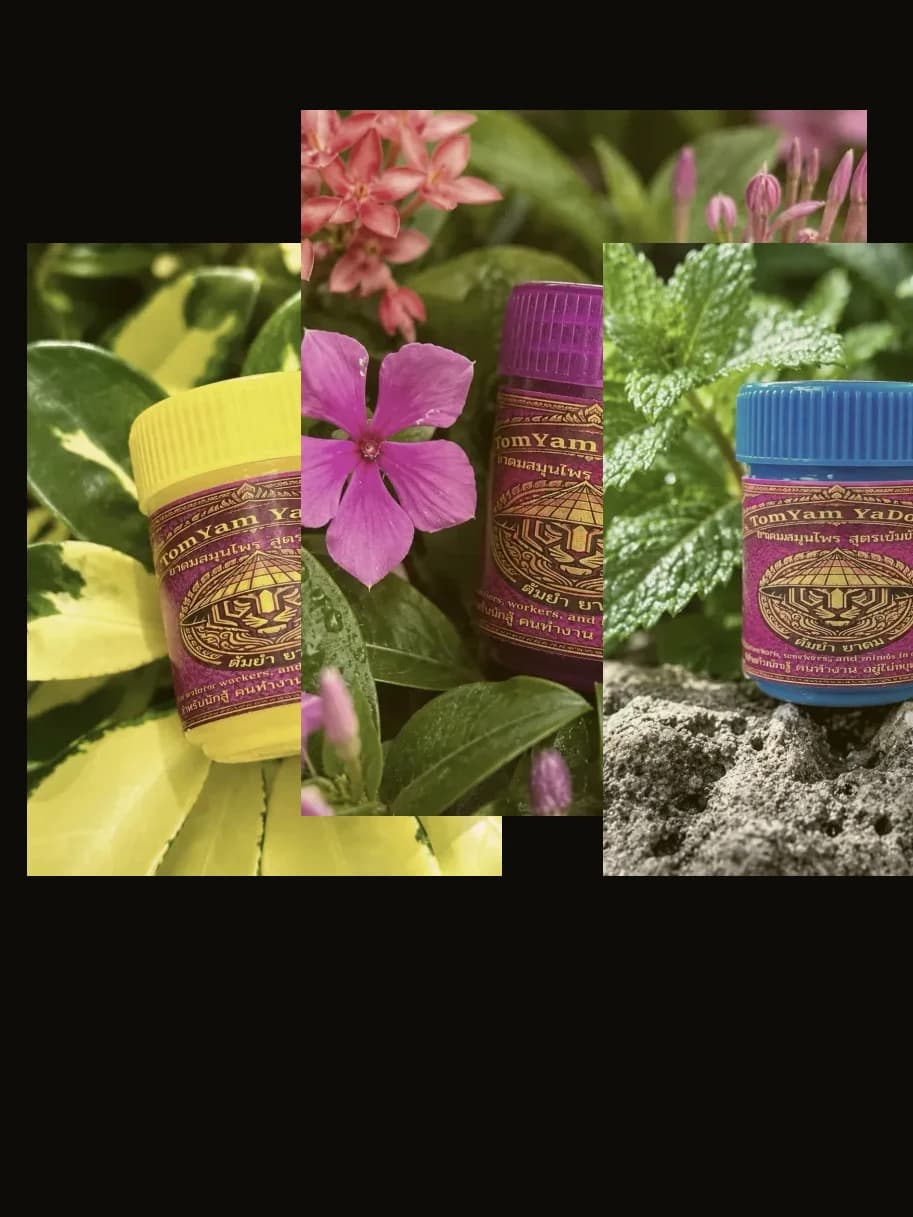 Travel RitualFor the car, the plane, the bag.$54
 Complete Ritual SetYour complete Thai apothecary. All 7 signature scents plus Crown Blend Oil.$115
Want it on its own terms? Put Borneol in a blend you build yourself.
Common Questions
What does borneol smell like?
Borneol smells cool and resinous, close to camphor but rounder and less sharp, with a soft woody depth underneath the chill. Where camphor arrives hard and clean, borneol opens more slowly and leaves a quiet, almost mineral trail. It is the note that makes a cooling blend feel refined rather than clinical.
Is borneol the same as camphor?
No. Borneol and camphor are closely related aromatic compounds and they smell like relatives, but borneol is softer, rounder, and woodier, while camphor is sharper and more penetrating. Traditional Thai and Chinese blending treats them as separate ingredients and often uses both, because they layer rather than duplicate each other.
Which Smiling Tiger blend uses borneol?
Borneol is in every Smiling Tiger inhaler, because it is one of the seven herbs in the samunprai base. It leads in Clarity, where the whole blend is built around its cool, resinous focus instead of using it as a background note. You can also add a second measure of it to a custom blend in the builder.
The historical and traditional information presented on this page is for educational and cultural interest only. Tom Yam Yadom products are not intended to diagnose, treat, cure, or prevent any disease or medical condition. Ingredient histories reflect traditional and cultural uses across various societies and are not claims about the properties of our products.