Kaffir Lime Skin
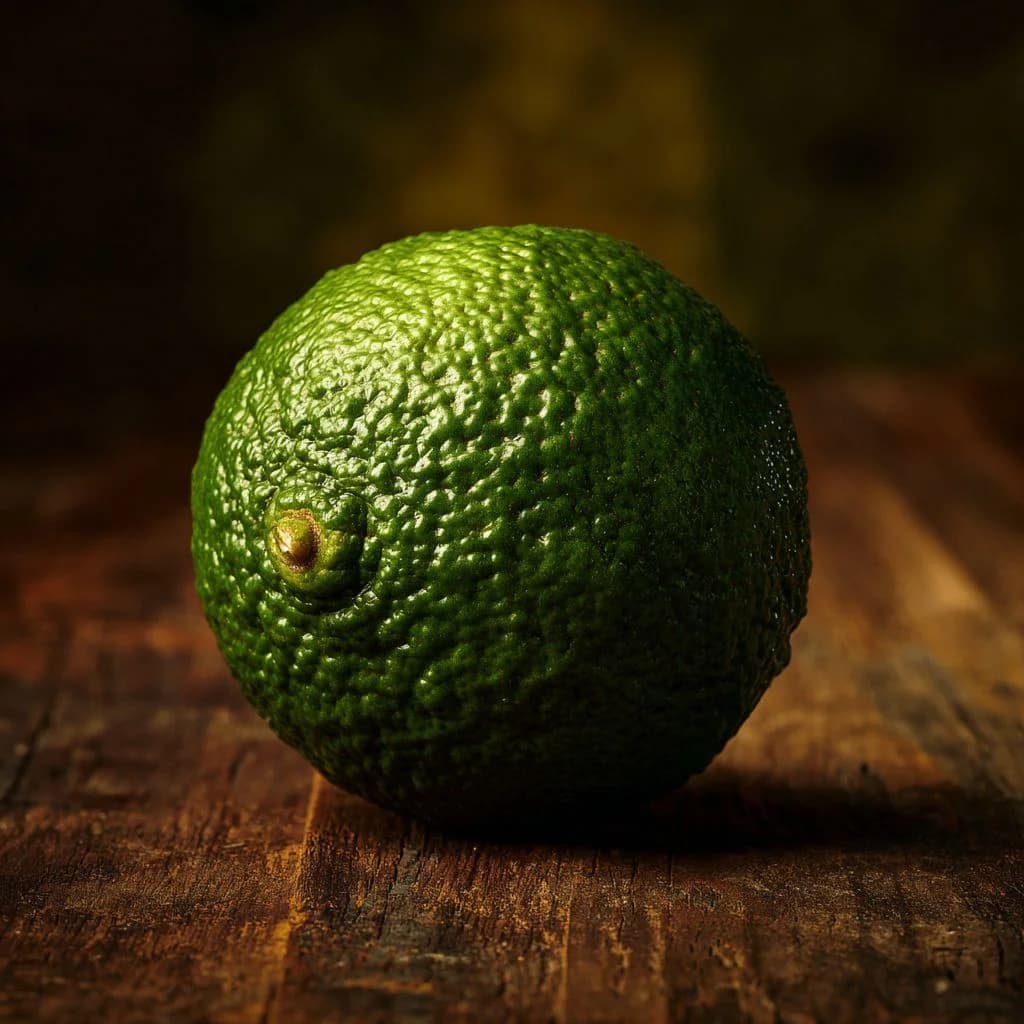
Kaffir Lime Skin at a glance
- Botanical Name
- Citrus hystrix
- Family
- Rutaceae
- Thai Name
- มะกรูด (makrut)
- Origin
- Tropical Southeast Asia
- Part Used
- Fruit peel
- Note Position
- Top, sharp
Aroma Profile
Sharp, vibrant, and intensely aromatic. Kaffir lime (Citrus hystrix) skin is one of the most distinctive citrus aromas in the world: bright and assertive, with a complexity and depth that sets it far apart from ordinary lime.
- Vivid
- Green
- Floral
- Sharp
- Complex
- Zesty
Historical Uses
Kaffir lime is native to tropical Southeast Asia and has been central to Thai, Indonesian, Cambodian, and Malay cuisine and culture for centuries. Its leaves and skin are among the most recognizable aromatics in Thai cooking, essential to tom kha, curries, and aromatic pastes. In traditional Thai and Southeast Asian practice, kaffir lime was also used in ritual contexts: lime water made with the fruit has long been used in purification and blessing ceremonies. The whole fruit, leaves, and skin appear across the region's traditional aromatic and cosmetic practices as well.
Folklore & Trade
In Thailand this fruit spends as much time outside the kitchen as in it. Makrut has long been used to wash with, the juice worked through hair as a cleanser, and the same cleansing sense carries into ritual: makrut is among the ingredients steeped for the scented water used in blessing, in house consecrations, and in the pouring of water over the hands of elders at Songkran. The logic is consistent in both settings. It is a fruit for removing what you would rather not carry, whether that is oil in your hair or a bad year behind you, and the smell of it in water is one of the most recognisably Thai things there is.
Modern Uses
Kaffir lime zest and essential oil are prized in natural perfumery and craft aromatics for their vivid, complex citrus character. In a herbal inhaler blend, the skin adds a sharp, energizing brightness that lifts the entire composition.
From the Apothecary
Nothing else in the apothecary smells like this. Ordinary lime is a simple bright note and makrut is a whole architecture: green, floral, almost soapy in the good sense, with an intensity in the peel that survives being blended with anything. It is the single ingredient that most reliably makes someone stop and ask what they are smelling, and it is why Radiance opens the way it does.
Pairs With
Smell It For Yourself
Kaffir Lime Skin is in the Smiling Tiger blends below, hand-assembled in the USA and shipped from here.
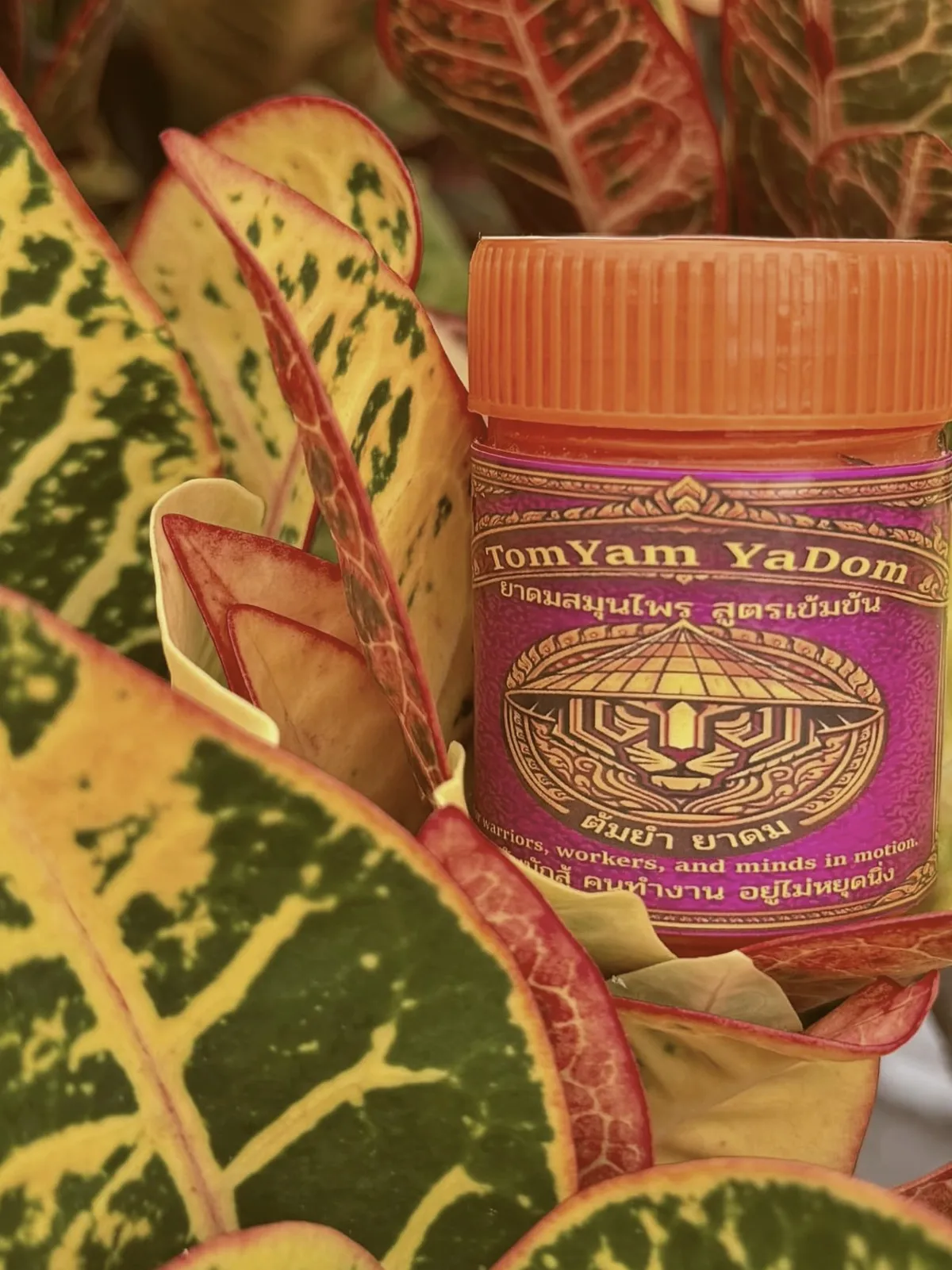 RadianceOptimism. Creativity. Brightness.$20
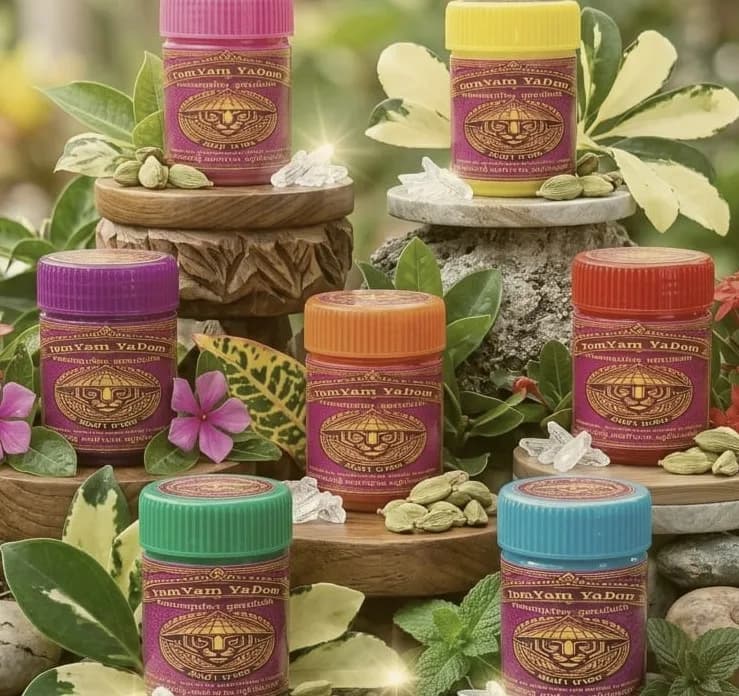 Complete Ritual SetYour complete Thai apothecary. All 7 signature scents plus Crown Blend Oil.$115
Want it on its own terms? Put Kaffir Lime Skin in a blend you build yourself.
Common Questions
What does makrut lime skin smell like?
Makrut lime peel smells vivid and green with a floral complexity ordinary lime does not have, sharper and far more distinctive than lemon or Persian lime. The aroma sits somewhere between citrus and herb. It is one of the most recognisable smells in Thai cooking and is nearly impossible to substitute.
Why is this fruit also called kaffir lime?
Kaffir lime is the older English trade name and it is still the most common one in Western shops, which is why it appears here. The word carries an offensive history in southern Africa, and makrut, the Thai name, is increasingly the preferred term in cooking and in the trade. They are the same fruit, Citrus hystrix.
Which blend uses makrut lime skin?
Makrut lime skin is in Radiance, where it supplies the sharp citrus lift that the blend is built around. It is not one of the seven base herbs, so it is a chosen note. You can add it to a custom blend in the builder.
The historical and traditional information presented on this page is for educational and cultural interest only. Tom Yam Yadom products are not intended to diagnose, treat, cure, or prevent any disease or medical condition. Ingredient histories reflect traditional and cultural uses across various societies and are not claims about the properties of our products.