Tangerine Zest
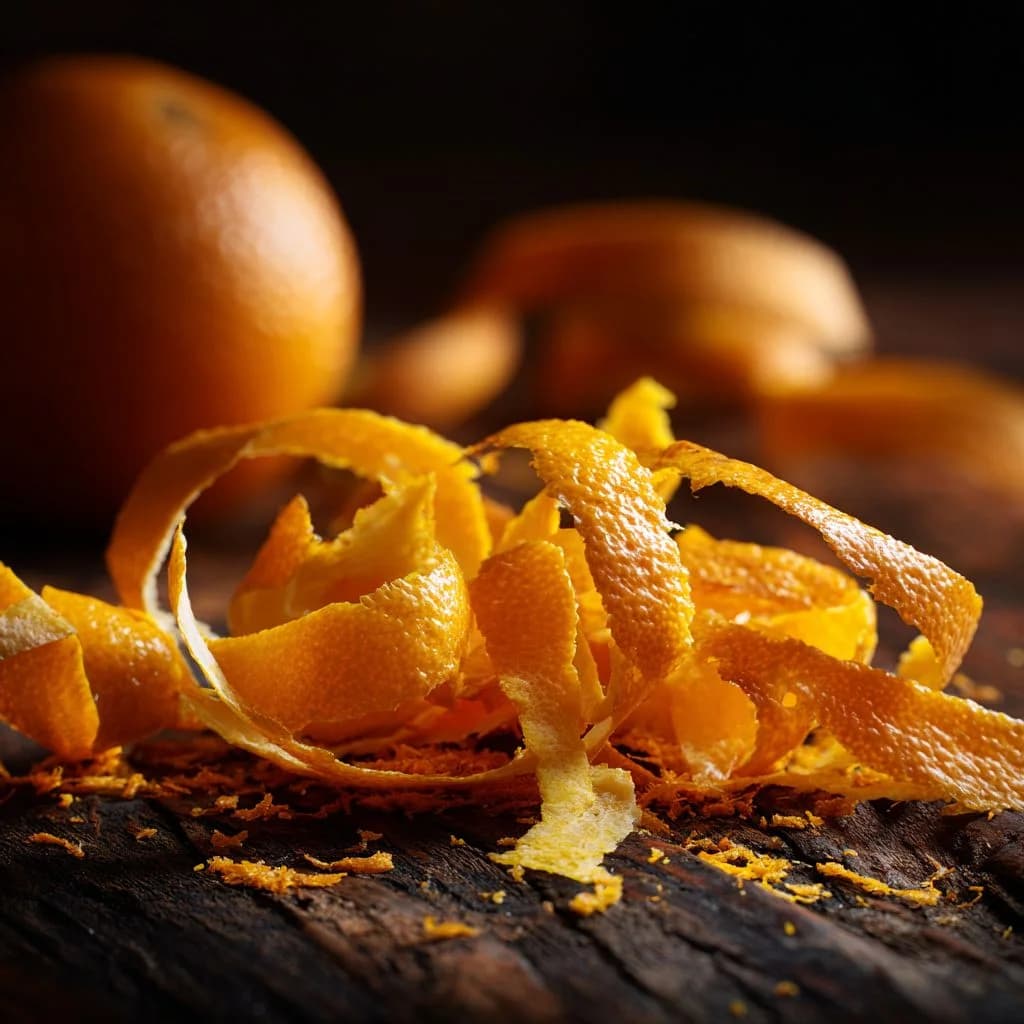
Tangerine Zest at a glance
- Botanical Name
- Citrus reticulata
- Family
- Rutaceae
- Thai Name
- ส้มเขียวหวาน (som khiao wan)
- Origin
- Southern China
- Part Used
- Fruit peel
- Note Position
- Top, warm
Aroma Profile
Soft citrus sweetness with a gentle fruit character. Tangerine zest is warmer and rounder than sharper citrus notes, approachable and bright without any edge.
- Sweet
- Warm
- Fruity
- Soft
- Bright
- Rounded
Historical Uses
Tangerines and mandarin oranges have been cultivated in China for over 3,000 years and hold a prominent place in Chinese culture, especially as symbols of luck and abundance during Lunar New Year celebrations. The fruit spread westward along trade routes, reaching the Mediterranean, North Africa, and eventually Europe and the Americas. In Chinese and Southeast Asian culinary tradition, tangerine peel (both fresh and dried) has long been used as a flavoring in cooking, confectionery, and tea. Dried tangerine peel (chen pi) is also a valued ingredient in classical Chinese herbal cuisine.
Folklore & Trade
Tangerine peel is the rare aromatic that is worth more the longer you keep it. Chen pi, aged mandarin peel, is graded by vintage in southern China, and peel from Xinhui in Guangdong is stored for decades in conditions as controlled as a wine cellar, changing from bright and sharp into something dark, sweet, and almost medicinal. Old Xinhui peel is bought and sold by the year of harvest, kept as a household asset, and given as a serious gift. The fruit itself carries a separate kind of value at Lunar New Year, when mandarins are exchanged because the word for them sounds like the word for luck, which means the same tree supplies both an ornament of good fortune and a commodity people treat as savings.
Modern Uses
Tangerine zest and oil appear in natural perfumery, cocktail crafting, pastry, and artisanal aromatics. In a blend, the zest adds a warm, approachable citrus sweetness that brightens without the sharp edge of lime or lemon.
From the Apothecary
Tangerine is the friendly one. Makrut lime is the ingredient that makes Radiance interesting, and tangerine is the ingredient that makes it likeable, a soft sweet warmth that rounds off the sharper citrus so the whole thing does not read as acidic. If a blend feels like it is trying too hard, this is usually what it is missing.
Pairs With
Smell It For Yourself
Tangerine Zest is in the Smiling Tiger blends below, hand-assembled in the USA and shipped from here.
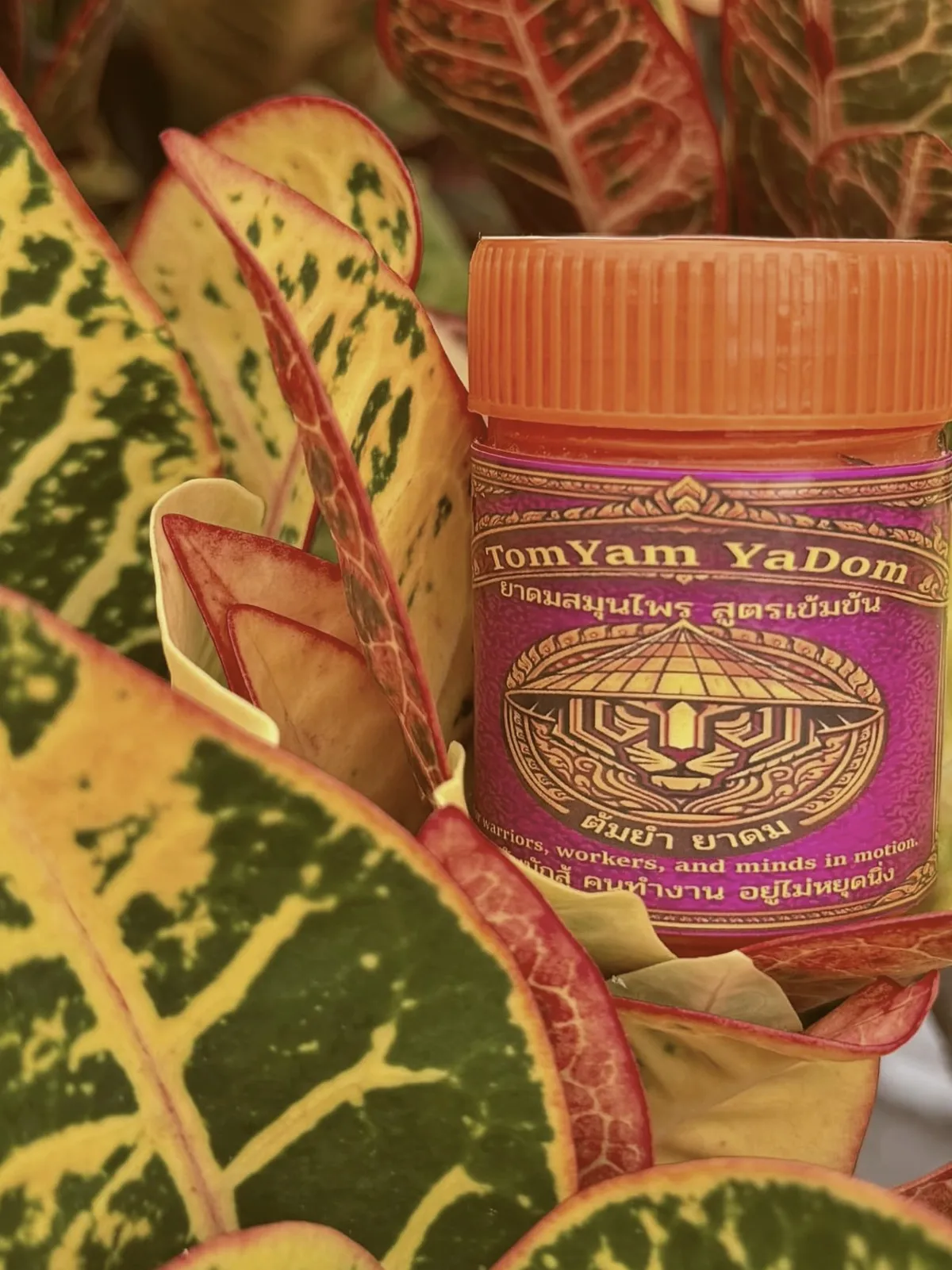 RadianceOptimism. Creativity. Brightness.$20
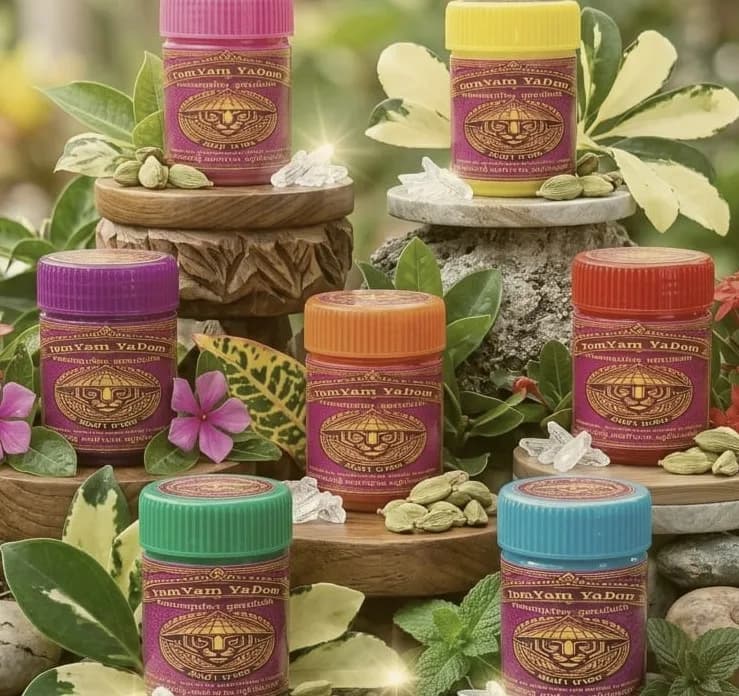 Complete Ritual SetYour complete Thai apothecary. All 7 signature scents plus Crown Blend Oil.$115
Want it on its own terms? Put Tangerine Zest in a blend you build yourself.
Common Questions
What does tangerine zest smell like?
Tangerine zest smells sweet, warm, and softly fruity, rounder and less acidic than lemon or lime. There is none of the sharp edge that harder citrus brings, which makes it easy to sit next to spice. It is the most approachable citrus note in the apothecary.
Is tangerine the same as mandarin or clementine?
They are all Citrus reticulata or close hybrids of it, and the names mostly reflect trade and cultivar rather than clean botanical lines. Tangerine is the name that stuck in English for the type shipped through Tangier. Aromatically they are near neighbours, and the peel is what matters here rather than the fruit.
Which blend uses tangerine zest?
Tangerine zest is in Radiance, alongside makrut lime skin and orange blossom. It rounds the sharper citrus so the blend reads as bright rather than acidic. You can add it to a custom blend in the builder.
The historical and traditional information presented on this page is for educational and cultural interest only. Tom Yam Yadom products are not intended to diagnose, treat, cure, or prevent any disease or medical condition. Ingredient histories reflect traditional and cultural uses across various societies and are not claims about the properties of our products.