Orange Blossom
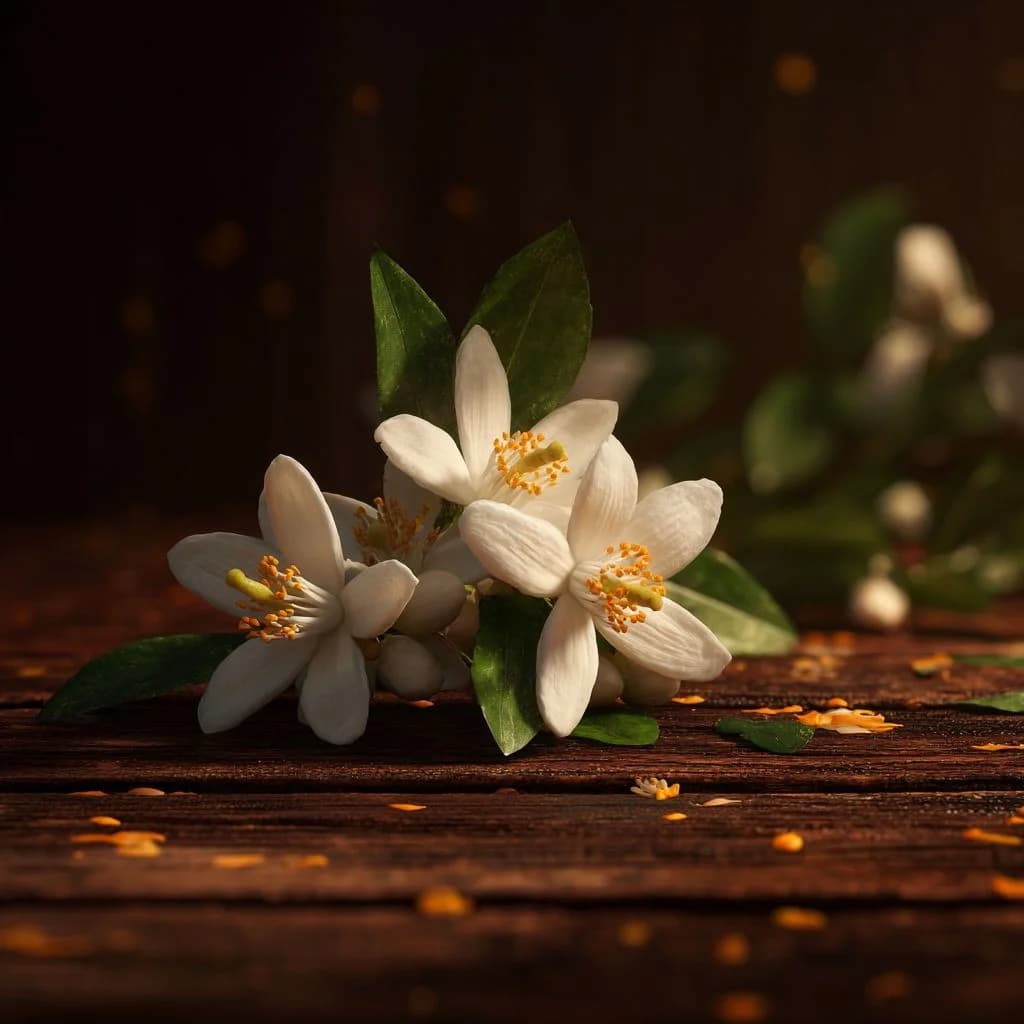
Orange Blossom at a glance
- Botanical Name
- Citrus aurantium
- Family
- Rutaceae
- Origin
- Asia, long naturalised across the Mediterranean
- Part Used
- Flower
- Note Position
- Heart, luminous
Aroma Profile
Delicate, floral, and softly luminous. Orange blossom sits at the intersection of citrus and flower, sweet and light, with a warmth that feels both clean and intimate.
- Floral
- Sweet
- Luminous
- Honeyed
- Clean
- Warm
Historical Uses
Orange blossom (from Citrus sinensis or Citrus aurantium) has been prized in perfumery and ritual across the Middle East, North Africa, and the Mediterranean for centuries. In Moroccan and Levantine cooking, orange blossom water is a fundamental flavoring in pastries, sweets, and drinks. In European tradition, orange blossom became associated with weddings and purity, worn by brides and distilled into some of the first recognized perfumes of the modern era. Neroli, the essential oil distilled from bitter orange blossom, has been a cornerstone of fine perfumery since the 17th century. Across many cultures, the scent of orange blossom carries associations of celebration, warmth, and beauty.
Folklore & Trade
Neroli is named after a woman who wore it. Anne Marie Orsini, Princess of Nerola, scented her gloves and her bathwater with bitter orange blossom distillate in the late seventeenth century, the Italian nobility copied her, and the oil carried her title from then on. The flower has been doing this kind of work ever since: Queen Victoria wore orange blossom at her wedding in 1840 and effectively invented the bridal association for the entire English speaking world, and in Morocco and the Levant the same blossom becomes zahr, the water that goes into pastry, coffee, and the glass offered to a guest. It is one of the few aromatics that is simultaneously a luxury perfume material and an everyday kitchen staple, depending which side of the Mediterranean you are standing on.
Modern Uses
Orange blossom water and neroli oil remain staples of Middle Eastern and Mediterranean cooking and of fine perfumery worldwide. In natural aromatics, orange blossom adds a delicate, luminous floral note that lifts and sweetens a blend without heaviness.
From the Apothecary
Orange blossom is the bridge in Radiance. Makrut lime and tangerine are both citrus and both live at the top of the blend, and without something to catch them the composition would be bright and then nothing. This flower is half citrus and half floral, so it holds the peel notes on one side and reaches down into the base on the other. Take it out and the blend falls in two.
Pairs With
Smell It For Yourself
Orange Blossom is in the Smiling Tiger blends below, hand-assembled in the USA and shipped from here.
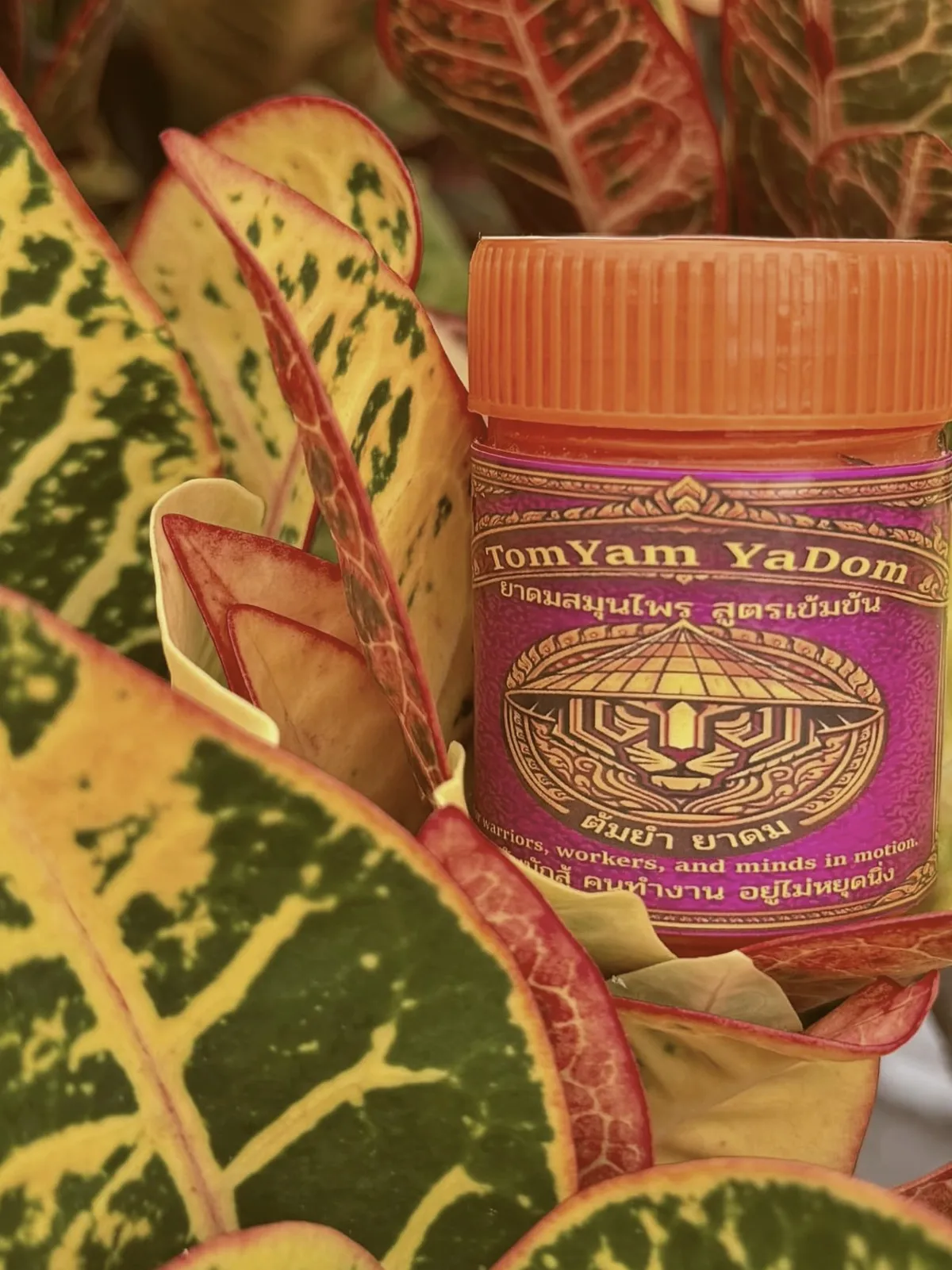 RadianceOptimism. Creativity. Brightness.$20
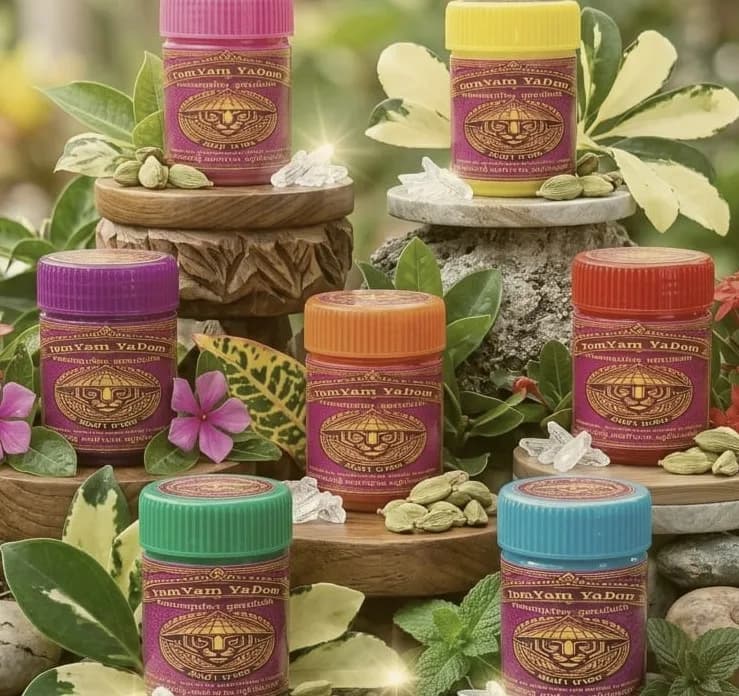 Complete Ritual SetYour complete Thai apothecary. All 7 signature scents plus Crown Blend Oil.$115
Want it on its own terms? Put Orange Blossom in a blend you build yourself.
Common Questions
What does orange blossom smell like?
Orange blossom smells delicately floral with a sweet, luminous warmth and a clear citrus lineage underneath. It sits between flower and fruit without belonging fully to either. The impression is clean and slightly honeyed rather than heavy or powdery.
Is orange blossom the same as neroli?
They come from the same flower by different routes. Neroli is the essential oil steam distilled from bitter orange blossom, while orange blossom absolute is solvent extracted and smells richer and more honeyed, and orange blossom water is the aromatic water left over from distillation. All three are the same flower with different weights and different uses.
Which blend uses orange blossom?
Orange blossom is in Radiance, where it links the makrut lime and tangerine at the top of the blend to everything underneath. It is not one of the seven base herbs. You can add it to a custom blend in the builder.
The historical and traditional information presented on this page is for educational and cultural interest only. Tom Yam Yadom products are not intended to diagnose, treat, cure, or prevent any disease or medical condition. Ingredient histories reflect traditional and cultural uses across various societies and are not claims about the properties of our products.