Peach Blossom
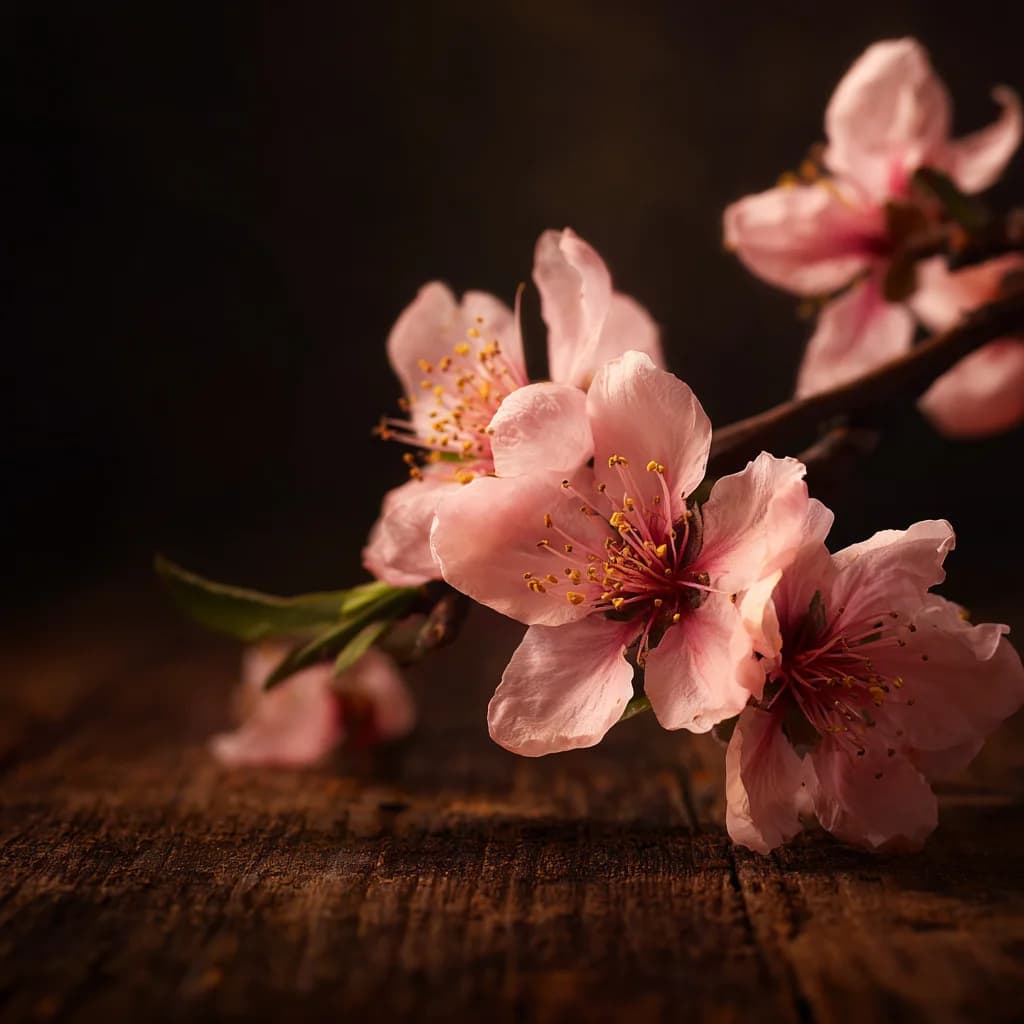
Peach Blossom at a glance
- Botanical Name
- Prunus persica
- Family
- Rosaceae
- Thai Name
- ดอกท้อ (dok tho)
- Origin
- China
- Part Used
- Flower
- Note Position
- Heart, soft
Aroma Profile
Soft, delicate, and sweetly floral. Peach blossom sits at the gentle intersection of fruit and flower: lighter and more ethereal than the ripe peach itself, with a clean, powdery sweetness and a warmth that feels both intimate and airy. It opens a blend without demanding attention, adding a quiet luminosity that lingers softly in the background.
- Soft
- Powdery
- Sweet
- Airy
- Delicate
- Warm
Historical Uses
The peach tree (Prunus persica) originated in China, where it has been cultivated for over 4,000 years and holds one of the most layered symbolic histories of any plant in East Asian culture. In Chinese tradition, the peach is among the most auspicious of all fruits, associated with longevity, immortality, and good fortune. Peach blossoms in particular carry deep cultural meaning: they are the flower of early spring, associated with renewal, beauty, and the return of warmth after winter. The image of peach blossoms appears throughout classical Chinese poetry, painting, and literature as a symbol of feminine grace and the fleeting beauty of the natural world. In Japan, peach blossoms are celebrated alongside cherry blossoms as a sign of spring, and the Hinamatsuri (Doll Festival) held each March is also known as the Peach Blossom Festival, where the flowers are displayed as offerings and decorations. In Korean folk tradition, peach blossoms and peach wood have long been associated with protection and the warding off of harmful influences, and peach trees were planted near homes and temples with this intention. Along the ancient Silk Road, the peach traveled westward from China through Persia (reflected in its Latin name, Prunus persica) to the Mediterranean and eventually Europe. Persian and Arab poets embraced the peach as an image of beauty and sensory pleasure, and the blossom's delicate scent was noted in classical Arabic literature. In Europe, peach blossom water and peach-derived aromatics appeared in Renaissance and early modern perfumery and cosmetic preparations. Culinarily, peach blossom has been used in East Asian cooking and confectionery: infused into teas, steeped in liqueurs, and used to flavor sweets and desserts across China, Japan, and Korea.
Folklore & Trade
Around 421 CE a Chinese poet wrote a short piece about a fisherman who rows up an unfamiliar stream, passes through a grove of peach trees in blossom, finds a gap in the rock at the end of it, and comes out into a valley where people have been living quietly for six hundred years without knowing that dynasties have risen and fallen outside. He stays, then leaves, then can never find the way back. Tao Yuanming's Peach Blossom Spring became the permanent Chinese image for a place outside of time, and the phrase is still ordinary language for an unreachable ideal. It is why peach blossom in East Asian art almost never simply means spring. It means the door you found once.
Modern Uses
Peach blossom absolute and peach blossom-derived aromatic materials are prized in natural perfumery for their soft, feminine, and luminous character. The note bridges floral and fruity families without belonging fully to either, making it a versatile and sought-after ingredient in fine fragrance composition. In craft aromatics and artisanal blending, peach blossom adds a gentle sweetness and a quietly uplifting quality that softens and brightens any blend it enters.
From the Apothecary
Peach blossom is the softest thing we work with and the easiest to lose. It has no volume at all, so anything sharp placed next to it will simply erase it, and getting it to register in a blend is a question of what you leave out rather than how much you put in. Compassion is built around protecting it. The pink peppercorn lifts it and the rose hips give it company, and nothing louder is allowed in the room.
Pairs With
Smell It For Yourself
Peach Blossom is in the Smiling Tiger blends below, hand-assembled in the USA and shipped from here.
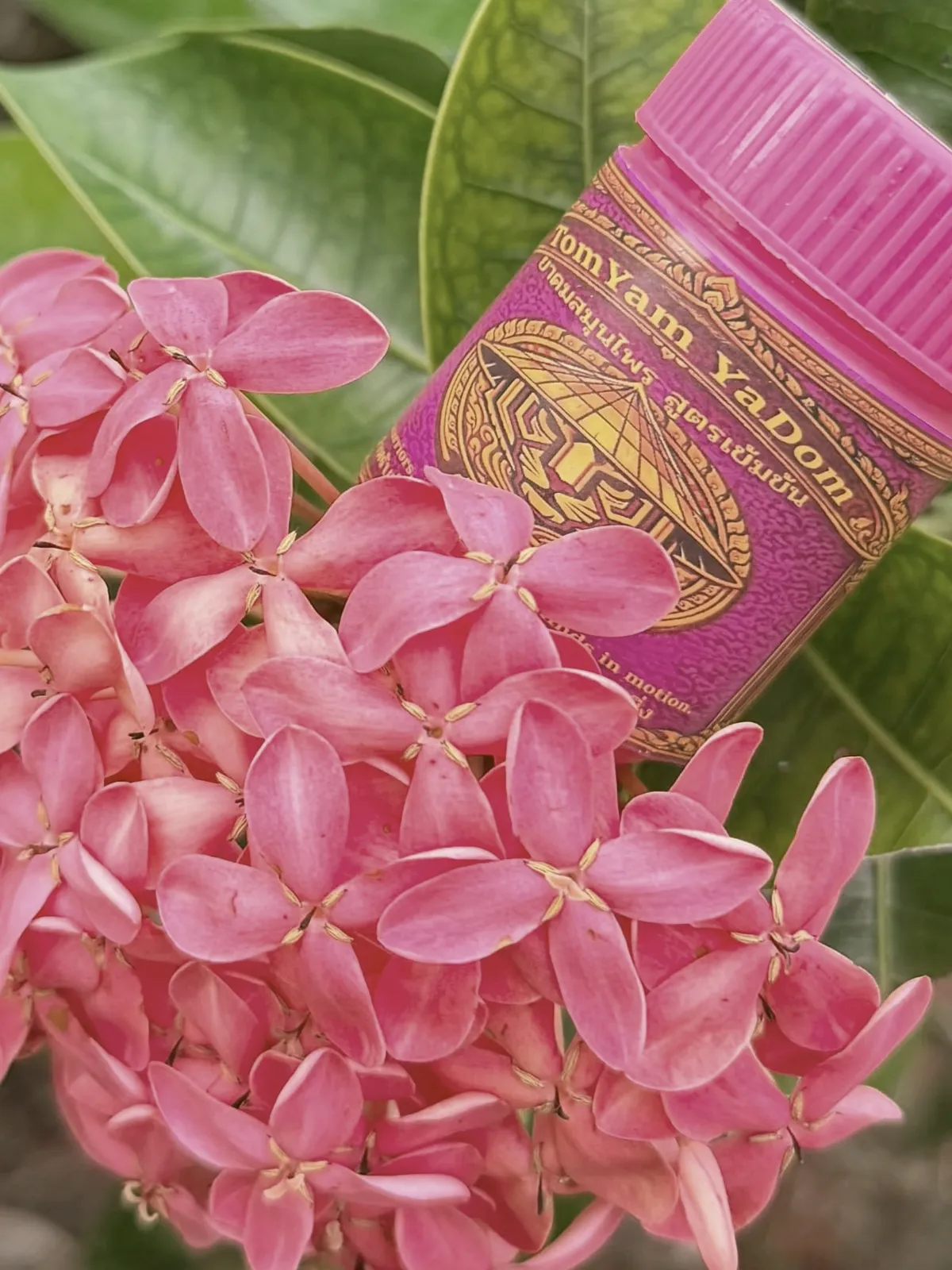 CompassionLift your mood. Open your heart.$20
 Evening RitualFor the end of the day.$54
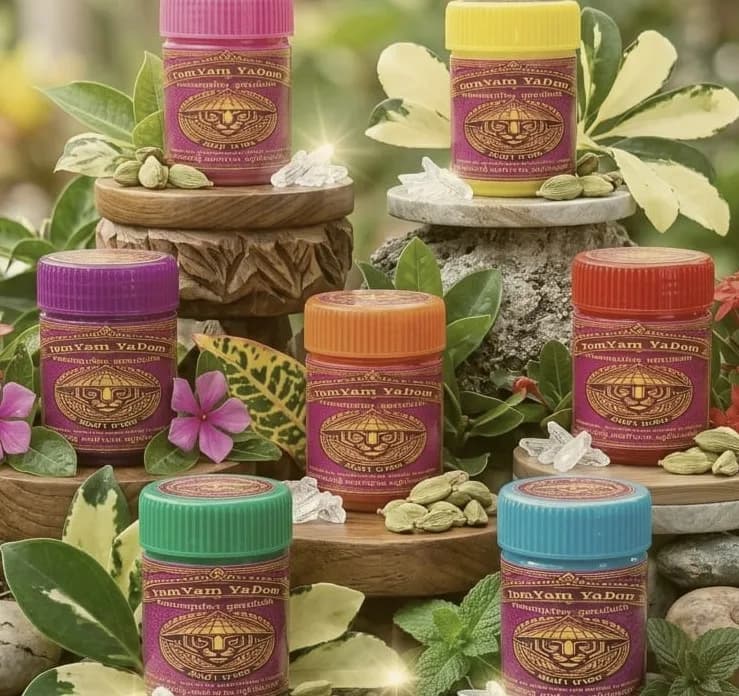 Complete Ritual SetYour complete Thai apothecary. All 7 signature scents plus Crown Blend Oil.$115
Want it on its own terms? Put Peach Blossom in a blend you build yourself.
Common Questions
What does peach blossom smell like?
Peach blossom smells soft, powdery, and sweetly floral, lighter and more ethereal than the ripe fruit. It sits at the gentle meeting point of flower and fruit without the syrupy quality peach can have. The character is airy and intimate at once, and it lingers quietly rather than announcing itself.
Does peach blossom smell like peaches?
Only distantly. The fruit is juicy and sweet in an obvious way, while the flower is powdery, delicate, and much closer to a soft floral than to anything you would eat. People expecting a peach note are usually surprised by how restrained it is.
Which blend uses peach blossom?
Peach blossom is the heart of Compassion, which is built around keeping it audible, with pink peppercorn to lift it and rose hips alongside. It is not one of the seven base herbs. You can add it to a custom blend in the builder.
The historical and traditional information presented on this page is for educational and cultural interest only. Tom Yam Yadom products are not intended to diagnose, treat, cure, or prevent any disease or medical condition. Ingredient histories reflect traditional and cultural uses across various societies and are not claims about the properties of our products.